Skip to content

20 Tips for Using a 20ft Storage Container Efficiently

Efficiently utilizing a 20ft storage container can significantly enhance your storage solutions. According to recent industry reports, the demand for such containers has increased by 25% over the past five years. This trend reflects a growing recognition of how valuable a well-organized space can be. Experts like John Hargrove, a leading authority in logistics solutions, emphasize, “Utilization of space determines efficiency in storage, and every inch counts.”

However, many users fail to maximize the potential of their 20ft storage containers. Common mistakes include overcrowding and disorganized stacking. These issues often lead to difficulties in accessing stored items. A well-planned approach allows better access and improves overall efficiency. Attention to detail is crucial—evaluating what to keep and what to remove can foster a more functional space.

Builders, movers, and even homeowners increasingly turn to 20ft storage containers for various needs. The flexibility they offer serves a vast range of applications. Harnessing expert tips can help turn these containers into strategic assets. Ultimately, an efficient setup can save both time and money.
20 Tips for Using a 20ft Storage Container Efficiently

Maximizing Space: Understanding Container Dimensions and Capacity

When utilizing a 20ft storage container, understanding its dimensions is crucial for maximizing space. A standard 20ft container typically measures 20 feet long, 8 feet wide, and 8.5 feet high. This provides approximately 1,170 cubic feet of storage capacity. However, the actual usable space can be impacted by how items are arranged. According to industry reports, about 30% of storage space is often wasted due to inefficient stacking and organization.

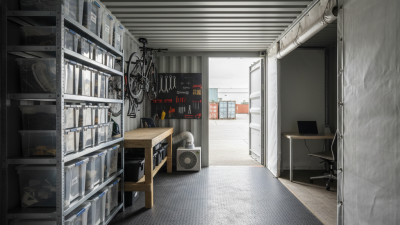
To optimize storage, consider dimensions carefully. Items should be grouped by size and weight. Heavier items should go on the bottom, while lighter, more fragile items can be stacked on top. Additionally, using shelving units can help maximize vertical space, turning even small boxes into expansive storage solutions. Industry experts suggest that using clear bins can also enhance visibility and organization, making it easier to find what you need without rummaging through clutter.

However, not every strategy works perfectly for everyone. Some individuals may misjudge how much they can fit, leading to overcrowded containers. It’s essential to reassess and experiment with layouts periodically. Finding the right balance between efficient use and easy access can take time. Reflection and adjustment are key to truly optimizing your container's capacity, ensuring you make the most of what you have.

20ft Storage Container Utilization

Organizing Essentials: Categorizing Items for Efficient Storage

When utilizing a 20ft storage container, effective organization is key. Start by categorizing items into essential groups. Common categories include seasonal items, tools, and furniture. Research from the American Storage Association shows that well-organized storage can save up to 30% more space. This means you can store more without needing an additional container.

Labeling each box or container is crucial. Use clear, visible labels to indicate contents. This saves time during retrieval. Many people forget what's stored away, leading to unnecessary searches. A study revealed that 50% of individuals have difficulty finding their belongings in storage units due to poor organization. It’s important to avoid packing random items together.

Lastly, consider vertical space. Utilize shelving to maximize storage. Studies indicate that 60% of storage space is often unused because of improper stacking. Group similar items vertically, stacking from heaviest on the bottom to lightest on top. This not only creates accessibility but also ensures stability. The aim is to reflect on how to improve your organization strategy continually. Each revisit to the container should offer fresh insight into optimizing space even further.

Smart Packing Techniques: Using Vertical Space and Stacking

When it comes to packing a 20ft storage container, utilizing vertical space is key. Start with heavier items on the bottom. This will provide a stable base for lighter items above. Use sturdy boxes that can withstand stacking. Consider using shelving units if you have the height. They can help maximize vertical space effectively.

Stack similar items together. Keep smaller items in labeled bins. This prevents chaos when you need to find something. Also, consider vacuum-sealing soft goods like clothing and bedding. This can save significant space and keep items fresh. Remember to leave pathways for access. It’s a bit challenging to balance efficiency with accessibility. Reflect on your needs regularly. Adjust your packing method based on what you store most often. This ensures a better ergonomic use of your container.

Access and Retrieval: Strategically Storing for Convenience

Accessing your items quickly is essential when using a 20ft storage container. Think about how often you’ll need specific items. Place frequently used goods near the door. Seasonal items can be stored further inside. This layout allows for smoother organization. You won't have to dig through boxes every time.

Label each box clearly. Use large, legible fonts on your labels. This will help you locate items with ease. Consider color-coding for different categories. This simple trick makes retrieval quicker. Don’t rely solely on memory; it can be unreliable. A well-organized system saves time and frustration.

Think about airflow and weight distribution. Heavier items should be at the bottom. Lighter items can go on top. This prevents damage and keeps the container safe. Remember to take inventory regularly. Reflecting on what you need will help maintain order. It may take time to find the best layout for your needs. But the effort will pay off in convenience.

20 Tips for Using a 20ft Storage Container Efficiently

Tip Number Tip Description Benefits
1 Label boxes clearly Easy identification of contents
2 Utilize vertical space Maximize storage capacity
3 Keep frequently used items accessible Saves time during retrieval
4 Use shelving units Organized arrangement
5 Stack boxes strategically Stable and space-efficient
6 Create a floor plan Easier navigation
7 Use clear containers Visibility of items inside
8 Store seasonal items together Easy access when needed
9 Protect fragile items Prevents damage
10 Use pallets to keep off the ground Avoids moisture damage
11 Secure items with straps Prevents shifting during transport
12 Maintain a clear aisle Facilitates easy movement
13 Consider climate control Protects sensitive items
14 Utilize the ceiling for storage Maximize usable space
15 Group similar items Simplifies organization
16 Check for pests regularly Protects stored items
17 Organize for seasonal changes Efficient transitions
18 Stay mindful of weight distribution Ensures container stability
19 Create a list of stored items Easier tracking of belongings
20 Inspect the container regularly Maintains safe storage conditions

Climate Control: Protecting Items from Temperature and Humidity Effects

When using a 20ft storage container, climate control is critical. Temperature and humidity fluctuations can damage your belongings. Maintain a stable environment inside the container. Consider using a dehumidifier to keep moisture at bay. It’s essential to monitor humidity levels regularly. Mold and mildew thrive in damp conditions, which can ruin fabrics and wood.

Proper ventilation is another key factor. Air circulation helps prevent condensation buildup. Make sure your container has vents. Opening doors occasionally allows fresh air inside. Use breathable covers for furniture and other items. Avoid plastic which traps moisture.

Store items strategically. Place sensitive items like electronics and photographs in the center. Keep them away from the container walls. Store items on pallets to elevate them off the floor. Use airtight bins for additional protection against humidity. Layering materials can be helpful, too. Remember, a little forethought can save you from costly damage later on.

Call free on
0800 1954 538