
The global gift boxes market is evolving rapidly, driven by changing consumer preferences and sustainability trends. According to a recent report by Smithers, the packaging industry is expected to grow at a CAGR of 5.7% through 2026, with gift boxes playing a significant role. Buyers worldwide seek innovative designs that combine functionality with aesthetic appeal. The rise of e-commerce has also intensified demand for durable, eco-friendly gift boxes that ensure safe delivery.
Consumers increasingly favor gift boxes made from recycled materials or with biodegradable coatings. This shift challenges manufacturers to balance creativity with environmental responsibility. However, some brands struggle to meet both cost-effectiveness and sustainability goals simultaneously. Market data from Packaging Insights highlights that 48% of shoppers consider packaging a key factor in their purchase decisions, emphasizing the influence of gift box presentation on consumer behavior.
Despite technological advances, not all trends are universally applicable across regions or product types. Cultural differences affect gift box preferences, causing inconsistency in global strategies. Understanding these nuances requires deep market expertise and local insights. Thus, global buyers must remain agile, testing new ideas while adapting to evolving consumer demands and industry standards. The future of gift boxes promises innovation but also calls for reflection on practical challenges and market realities.
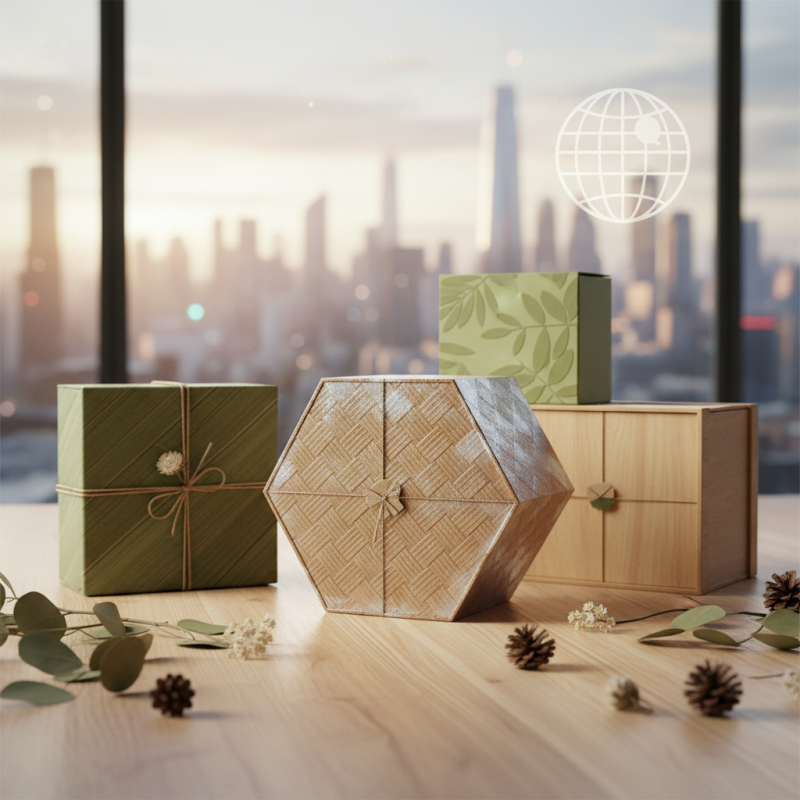
Innovative materials are reshaping the gift box design landscape for 2026. Eco-friendly options are gaining momentum, appealing to conscious consumers. Recycled cardboard, biodegradable plastics, and plant-based inks are becoming the norm. These materials not only reduce waste but also create a unique aesthetic. Many designers are experimenting with textures and finishes, providing a tactile experience.
Sustainable materials, though appealing, can present challenges. Sourcing is not always straightforward, and some newer options may lack durability. Designers need to balance elegance with practicality. The recent push for transparency in production processes is also influencing material choices. Buyers are increasingly interested in understanding the origin of their gift packaging.
Moreover, the rise of technology in materials is on the horizon. Smart packaging could revolutionize how gifts are perceived. Incorporating QR codes or NFC tags could provide interactive experiences. However, this integration requires careful consideration. How will it impact usability? As we explore these emerging materials, the conversation must continue. Each choice carries implications for the buyer, the recipient, and the planet.
The unboxing experience has become a pivotal aspect of consumer satisfaction. Recent data from Packaging Strategies indicates that 70% of consumers prefer products with innovative packaging. This trend reflects a growing desire for unique and memorable moments when unpacking gifts. The tactile feel of textures, the surprise of unexpected elements, and aesthetically pleasing designs can significantly enhance the overall experience.
Innovative packaging techniques are evolving rapidly. For instance, sustainable materials are gaining traction. A report by Smithers shows that 50% of consumers are more likely to purchase products in environmentally friendly packaging. This shift not only appeals to environmentally conscious buyers but also sets brands apart in a crowded market. However, there is a balance to maintain; complex packaging can sometimes frustrate consumers, overshadowing the intended joy of unboxing. Brands need to experiment while observing consumer feedback closely.
Interactive elements are another exciting trend. Incorporating augmented reality or QR codes into packaging can create engaging experiences. This technology allows consumers to access exclusive content or rewards upon opening the box. Nevertheless, the implementation of such strategies should not feel gimmicky. Authenticity must be at the forefront to foster genuine connections with buyers. Balancing innovation with practicality remains a challenge that brands must navigate as they explore new packaging frontiers.
The gift box industry is evolving, focusing on sustainability. This year, eco-friendly materials are a priority for many manufacturers. Recycled paper, biodegradable plastics, and plant-based inks are gaining popularity. Brands are moving away from harmful substances and opting for greener alternatives.
There's a growing awareness of the environmental impact of packaging waste. Consumers demand products that align with their values. Gift boxes made from sustainable sources often tell a story. Each box can reflect a commitment to the planet. However, the challenge remains: ensuring durability while maintaining eco-friendliness.
Many companies struggle with finding cost-effective solutions. Transitioning to sustainable materials can be expensive. Some brands might compromise quality for lower costs. This need for balance presents an ongoing dilemma, highlighting the complexities of adopting sustainable practices. Yet, the increasing interest in ethical consumerism pushes the industry forward. This shift is crucial for a more responsible future in gift packaging.
Cultural influences shape gift box styles globally, reflecting values and traditions. In many Asian cultures, the color red symbolizes good fortune and joy. Therefore, red gift boxes are prevalent during celebrations. In contrast, Western cultures often prefer elegant and minimalist designs. Simple, neutral tones convey sophistication, appealing to modern sensibilities.
Artisans in different regions bring unique craftsmanship to gift packaging. In Africa, vibrant patterns showcase local artistry, often telling stories. These vivid designs stand out on shelves and create emotional connections. Meanwhile, Japanese culture emphasizes the art of wrapping. Furoshiki, a traditional wrapping cloth, represents sustainability and thoughtfulness.
Global buyers should consider these variations. Regional tastes can influence gift box choice significantly. It is essential to balance aesthetics with cultural meanings. Misunderstanding these nuances can lead to unintended consequences. As patterns evolve, staying aware of cultural shifts will enhance product appeal. This reflection is vital for effective communication in a diverse marketplace.
As we look towards 2026, personalized gift boxes are becoming increasingly popular. Tech-driven customization options allow consumers to create unique experiences. These features add value and create memorable moments for both givers and recipients.
From interactive design tools to AR integration, buyers now have more choices. Customization can include sizes, colors, and themes. Some platforms even enable users to add personal messages or images. This level of personalization speaks to the emotional connection that gift-giving fosters. However, it can be overwhelming. Not all options will resonate with every customer.
Moreover, while technology enhances creativity, the human touch remains vital. Automated designs may lack the authenticity that hand-crafted items offer. Therefore, it's essential to strike a balance between tech-driven solutions and personal input. In the end, each gift should reflect the relationship and sentiment behind it.