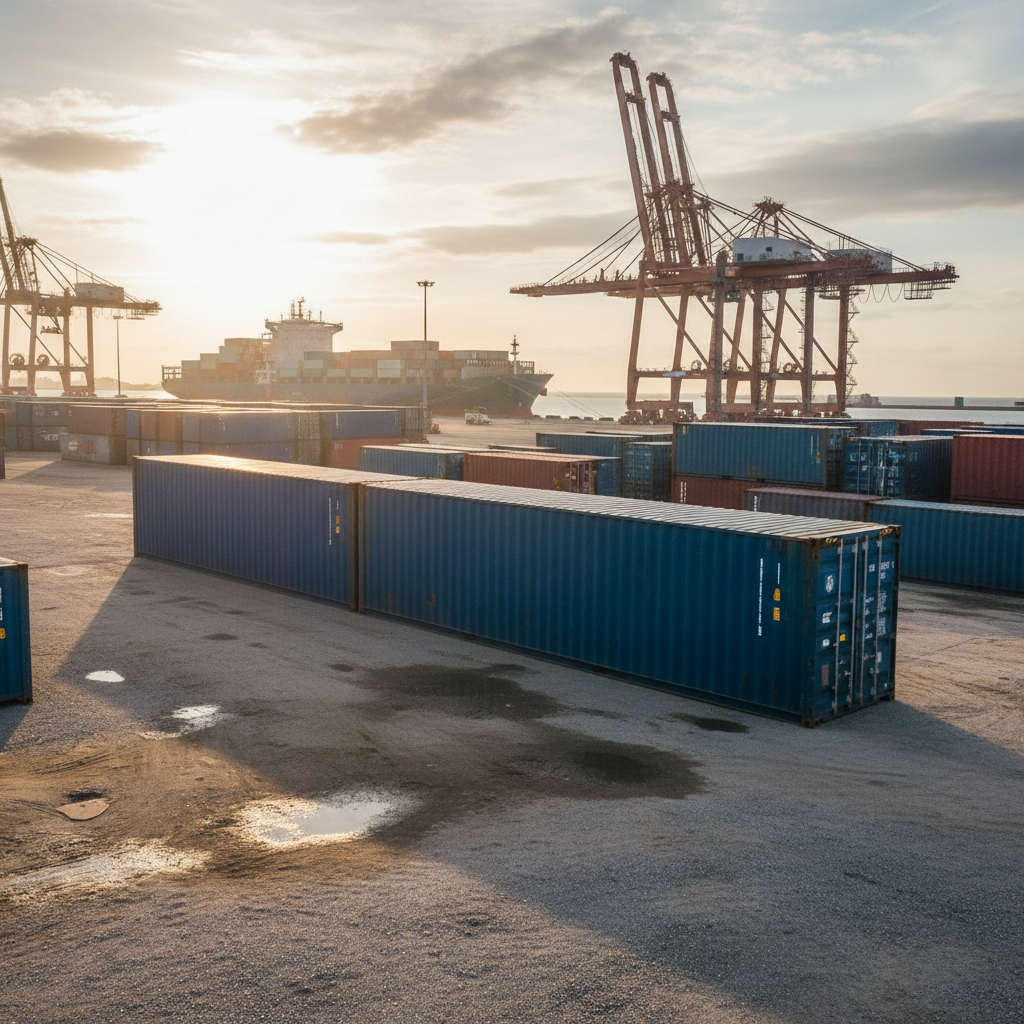
A 30ft container is a versatile storage solution that has gained significant popularity across various sectors, from construction to residential uses. Understanding what a 30ft container entails and how it can be effectively utilized is essential for anyone considering this option for storage or transportation needs. This robust container offers ample space, making it ideal for storing goods, equipment, and even as temporary living spaces in specific scenarios.
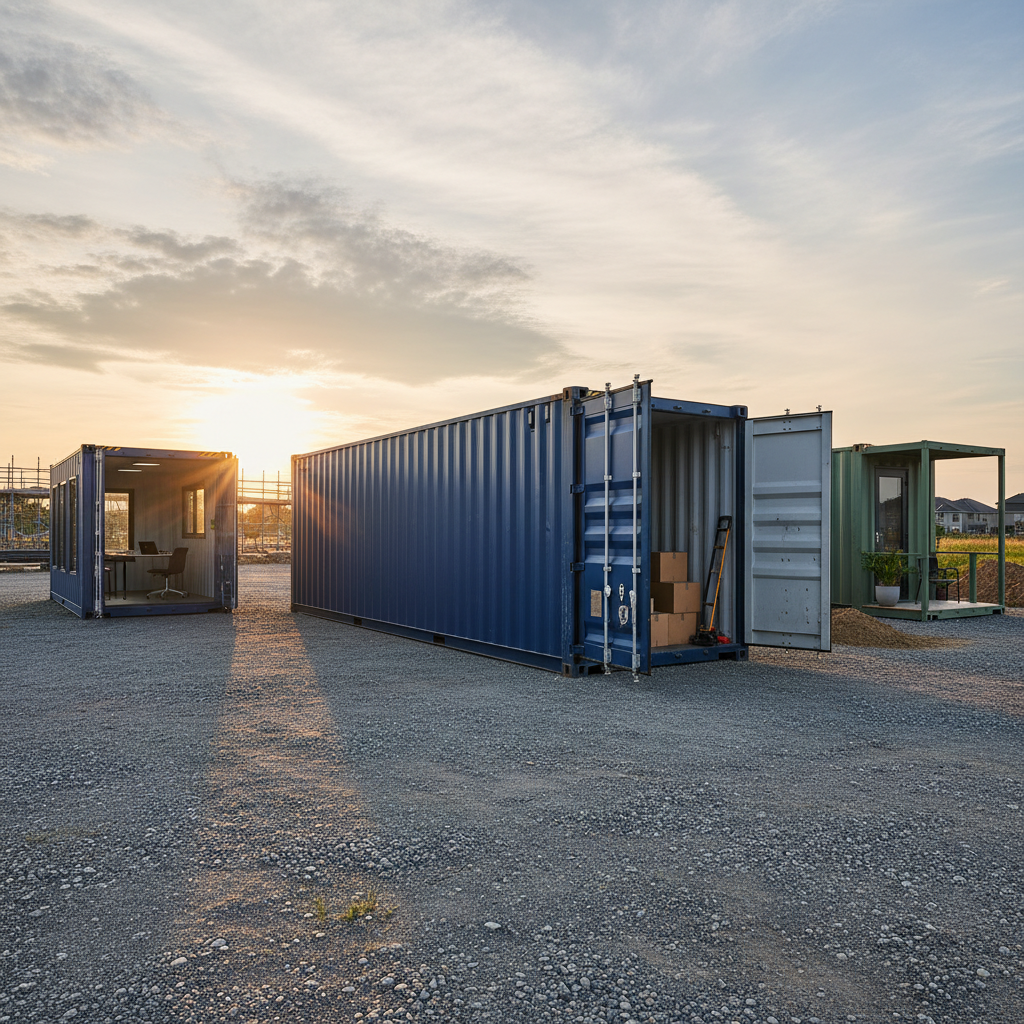
In today's fast-paced world, efficient and flexible storage solutions are paramount. The 30ft container stands out not only for its generous dimensions but also for the myriad benefits it provides, including security, durability, and cost-effectiveness. By exploring the various uses and advantages of a 30ft container, individuals and businesses can make informed decisions that cater to their unique requirements.
Whether you are looking to declutter your home, facilitate a construction project, or create a mobile office, understanding the potential of a 30ft container can equip you with the knowledge needed to optimize your space effectively.
A 30ft container is a versatile storage solution commonly used for shipping and logistics. Its dimensions typically measure 30 feet in length, 8 feet in width, and 8.5 feet in height, providing a substantial space that can accommodate varying types of cargo. The 30ft container's increased capacity over standard containers makes it advantageous for businesses requiring extra storage without significantly increasing costs. This size is ideal for transporting larger items, consolidating shipments, or providing extended storage options at facilities.
The global shipping container market is projected to experience significant growth, estimated to reach USD 8.1 billion by 2025. By 2035, it is anticipated that this market will continue expanding robustly, aligning with the projected growth in the broader container market, which is expected to grow from USD 229.67 billion in 2025 to USD 420.97 billion by 2035, indicating a compound annual growth rate (CAGR) of 6.2%. Such growth reflects increasing demand for logistics solutions and the expansion of international trade, reinforcing the value of 30ft containers in the shipping and storage sectors.
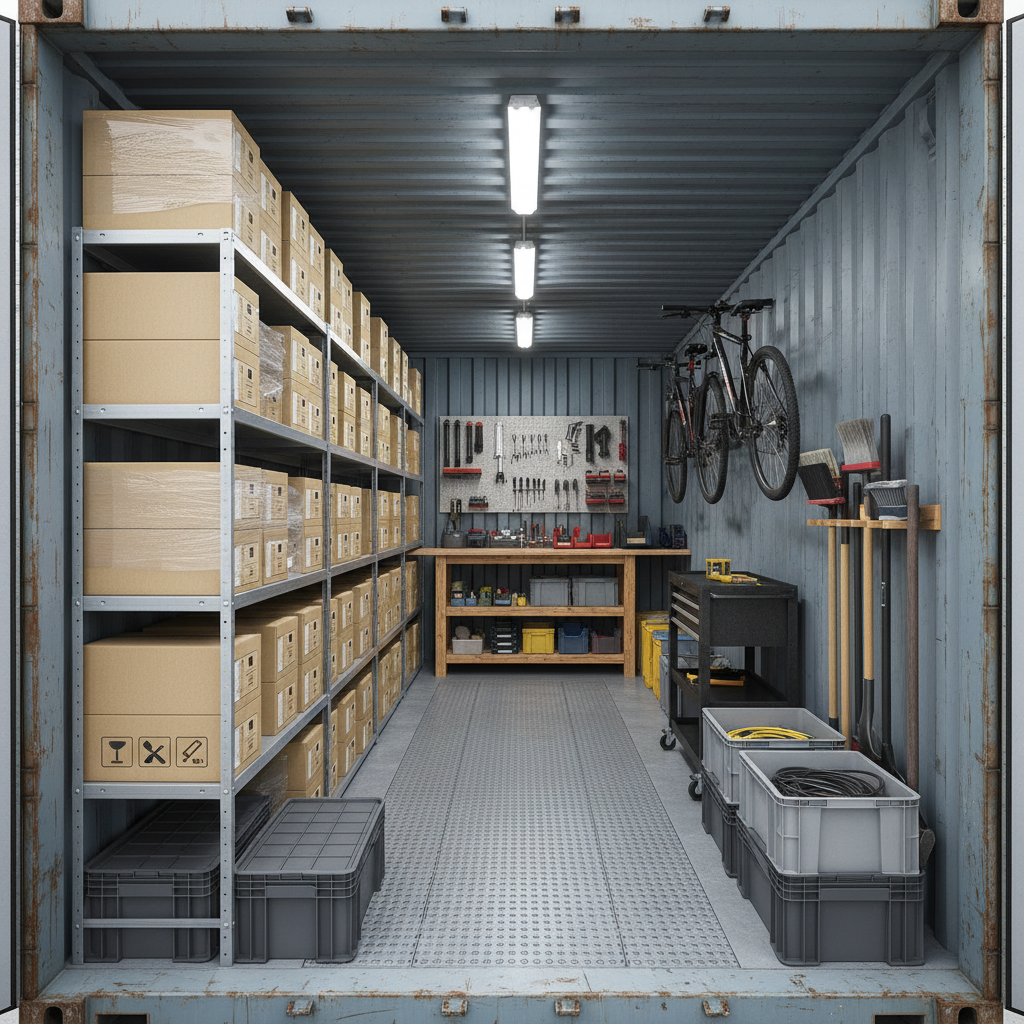
30ft containers have gained popularity across various industries due to their versatility and efficiency in storage solutions. These containers are commonly utilized in industries such as construction, retail, and logistics. According to a recent industry report by Mordor Intelligence, the global container storage market is projected to grow at a CAGR of 5.7% from 2021 to 2026. This growth indicates a rising demand for container solutions that can accommodate larger quantities of goods while optimizing space.
In construction, 30ft containers serve as on-site storage units for tools and materials, effectively reducing clutter and preventing theft. Retail businesses often use them for seasonal inventory storage, allowing them to manage stock levels without the need for additional warehouse space. Logistics companies utilize these containers for transporting goods, ensuring safe and efficient shipping across long distances. The flexibility of these containers makes them an invaluable asset for businesses aiming to streamline operations.
Tips: When considering a 30ft container for storage, evaluate your specific needs regarding capacity and durability. Ensure that the container is made from high-quality materials to withstand environmental challenges. Additionally, consider implementing inventory management systems within the container to maximize organization and accessibility.
A 30ft container serves as an essential storage solution that caters to various needs across multiple sectors. Its considerable space allows for the storage of goods, materials, and even agricultural products, making it ideal for both urban and rural applications. With the global shipping industry expected to grow by over 4.3% annually, the demand for unique storage solutions, such as 30ft containers, has surged. These containers not only provide robust security and weather resistance for stored items but also are easy to transport and relocate as needed, greatly enhancing operational efficiency.
One of the standout benefits of using 30ft containers for storage is their versatility. Beyond traditional storage, they can be repurposed into innovative solutions like mobile farms, which are gaining traction in sustainable agriculture. This adaptation not only helps in combating food insecurity but also plays a significant role in minimizing waste and promoting environmental sustainability. According to recent industry reports, the shipping container modification market is projected to grow significantly, driven by the rising need for affordable housing and flexible spaces, making 30ft containers a viable option for addressing challenged urban landscapes.
When utilizing a 30ft container for storage, maximizing efficiency is key to ensuring that you make the most of the available space. Start by strategically planning the layout of your items.
Group similar items together and place frequently accessed items at the front, while less commonly used items can be stored further back. Consider using vertical space by stacking boxes; this not only helps to utilize the height of the container but also keeps the floor space clear for easier navigation.
Another effective method is to implement shelving or racks within the container. This can significantly increase your storage capacity and make it easier to retrieve items. Clear bins and labels are also highly beneficial, as they provide visibility and organization, allowing you to locate items quickly without rummaging through boxes. Additionally, take advantage of any gaps or corners for small items, ensuring that every inch of space is utilized to its fullest potential.
By employing these strategies, you can create an organized and efficient storage solution within your 30ft container.
When considering a 30ft container, one of the primary factors to evaluate is the cost associated with renting or purchasing. The price can significantly vary based on several aspects, including container condition, vendor reputation, and delivery fees. Typically, new or refurbished containers will come at a higher cost than used ones. Additionally, if you require immediate delivery, this may incur extra charges. Before making a decision, it's essential to compare quotes from multiple suppliers to ensure you get the best deal.
**Tips:** Always inquire about any hidden fees that may not be included in the initial quote. This can include delivery charges, taxes, and any necessary permits. Additionally, consider the container's lifespan and durability; investing in a slightly more expensive, high-quality container may save you money on repairs or replacements in the long run.
Another critical aspect to consider is the rental duration. If your need for storage is temporary, renting might be the most economical choice. On the other hand, for long-term use, purchasing a container can be more cost-effective. Assess your specific needs and budget to determine the most suitable option, making sure to factor in all related costs.
**Tips:** Look into seasonal discounts or promotional offers from container suppliers that could lower your overall expenses. Also, consider lease-to-own options if you are leaning towards buying but want to spread out the costs.