Skip to content

How to Find the Cost of a 40ft Shipping Container in 2026?

Finding the cost of 40ft shipping container in 2026 requires more than checking one online price. A container may mean the steel equipment itself, ocean freight, or the complete delivered cost. These figures can differ by thousands of dollars.

UNCTAD’s Review of Maritime Transport reports that more than 80% of global merchandise trade moves by sea. That scale makes container pricing sensitive to port congestion, vessel capacity, fuel costs, and regional demand. Drewry’s World Container Index also shows how sharply spot freight rates can change between major trade lanes. A Shanghai–Los Angeles quote may not resemble a Shanghai–Rotterdam quote. Timing matters.

The analysis should separate a new container from a used one. It should also identify CSC certification, delivery distance, insurance, customs duties, terminal handling, and inland haulage. Container xChange market reports regularly highlight price differences between container types, locations, and equipment availability. A clean-looking quote may hide destination charges. That is where budgets often fail.

Real-world checking is essential. Ask for a dated quotation, confirm whether it includes delivery, and compare at least three suppliers. A container sitting in a depot near your factory may cost less overall than a cheaper unit located hundreds of miles away. The estimate will not be perfectly clean. Currency movements and unexpected port fees can still change it. This guide uses current market indicators and practical purchasing checks to build a more reliable 2026 estimate, while recognizing that published averages cannot replace a route-specific quotation.
How to Find the Cost of a 40ft Shipping Container in 2026?

Define What a 40ft Shipping Container Includes

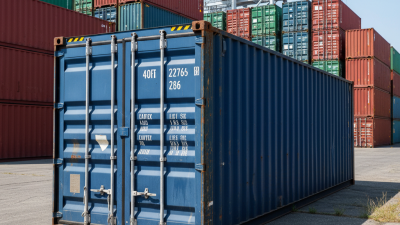
When estimating the 2026 cost of a 40ft shipping container, define the unit before comparing prices. A standard 40ft dry container usually includes a weather-resistant steel body, corrugated walls, a marine-grade plywood floor, and rear cargo doors. It also has locking bars, corner castings, ventilation openings, and an identification plate.

The details require care. A “40ft container” may mean standard height or high-cube height. The high-cube version provides extra internal space. A seller may also describe a unit as cargo-worthy, wind-and-watertight, or used. These terms are not interchangeable. Check the door seals, floor condition, roof, hinges, and corner posts. Small rust patches may be manageable. Bent frames are more serious.

It sounds simple, but it is not. A quoted price may cover only the empty container. Ask whether delivery, unloading equipment, inspection, taxes, and site placement are included. Local transport can become a major cost, especially when access roads are narrow. Modification charges may apply for extra doors, insulation, windows, or electrical work. I once treated “ready for delivery” as a complete price description; that assumption was too loose. A reliable comparison lists the container’s condition, dimensions, included features, delivery distance, and any preparation work in writing.

How to Find the Cost of a 40ft Shipping Container in 2026?

A standard 40ft dry shipping container typically includes a weather-resistant steel body, corrugated side panels, a marine-grade plywood floor, double cargo doors with locking bars, ventilation openings, and—when certified for international transport—a valid CSC safety plate.

Estimated 2026 purchase cost: Prices vary by location, availability, condition, certification, delivery distance, taxes, and customization. The ranges shown exclude transport, unloading, site preparation, taxes, and modifications such as doors, windows, insulation, or electrical systems.

Identify the Main Factors That Affect Container Prices in 2026

How to Find the Cost of a 40ft Shipping Container in 2026?

In 2026, the price of a 40ft shipping container depends on more than its advertised purchase figure. A new or “one-trip” unit usually costs more because it has cleaner floors, tighter door seals, and less visible corrosion. Used containers are cheaper, but their condition can vary sharply. Inspect the roof, corner posts, locking bars, and plywood floor before paying. Small dents are often harmless. Structural damage is not.

Location matters. A container near a major port may cost less than one delivered inland. Transport distance, fuel prices, lifting equipment, and local storage fees can significantly change the final bill. Ask whether the quote includes delivery, unloading, taxes, inspection, and preparation. A low online price may exclude several practical charges. That estimate can fail.

Steel prices, currency movements, port congestion, and seasonal demand may also affect 2026 pricing. Custom features raise the cost quickly. Doors, ventilation, insulation, shelving, and electrical work require separate estimates and skilled installation. Confirm the external and internal dimensions, especially if the container must pass through a narrow entrance. One common mistake is comparing a refurbished unit with a standard used unit. They are not equivalent. Request recent photographs, a written condition report, and a delivery timetable. Even careful buyers can miss water staining beneath a fresh coat of paint. Recheck the details before signing.

How to Find the Cost of a 40ft Shipping Container in 2026? – Main Factors Affecting Container Prices
Cost or Pricing Factor Typical 2026 Planning Range Expected Effect on Total Cost Key Data or Specification Why It Matters
Used 40ft Standard Dry Container US$1,800–US$3,200 Lowest purchase price Usually 8–15 years old; condition may range from wind-and-watertight to cargo-worthy Age, corrosion, floor condition, doors, and certification can materially change the price.
One-Trip or Nearly New 40ft Container US$3,200–US$6,000 Higher purchase price Typically manufactured recently and used for one loaded voyage Better appearance, lower repair risk, and longer remaining service life generally increase the price.
40ft High Cube Premium Approximately 5%–15% above a standard 40ft unit Moderate increase External height: about 2.896 m; internal volume: about 76 m³ The extra 305 mm of height provides more cubic capacity for lightweight or bulky cargo.
Local Delivery and Trucking US$300–US$2,000+ Can add 10%–50% or more Commonly affected by distance, fuel prices, road access, chassis hire, and unloading requirements A low advertised container price may become significantly higher after transport to the final site.
Crane, Side Loader, or Offloading Service US$150–US$800+ Additional site cost Required when the delivery location has no suitable loading dock or lifting equipment Restricted access, soft ground, overhead wires, or long unloading times can increase the charge.
International Ocean Freight Route-dependent; often US$500–US$4,000+ Highly variable Influenced by route, sailing schedule, fuel costs, port congestion, seasonality, and equipment availability The container purchase price and the cost of moving it internationally are separate expenses.
Port, Customs, and Documentation Charges US$100–US$1,500+ Additional landed cost May include terminal handling, inspection, customs processing, storage, and documentation Charges differ by country, port, cargo classification, and length of storage.
Taxes, Duties, and Value-Added Tax Country-specific; commonly 0%–25%+ of the taxable value Potentially significant Depends on customs classification, origin, destination, and whether tax is recoverable Always confirm whether a quoted price includes tax, import duty, and clearance fees.
Container Condition and Repairs US$100–US$2,000+ for repairs Can reduce or increase value Inspect roof, corner posts, door seals, locking bars, plywood floor, and side panels A cheaper unit may require painting, welding, floor replacement, or door repairs before use.
Seasonal Supply and Regional Availability Often changes by 5%–20% Short-term price fluctuation Prices tend to differ between major ports, inland markets, import-heavy regions, and remote areas Local inventory shortages and repositioning costs can make the same container more expensive in one region.
Standard 40ft Dry Container Specifications Reference specification, not a price Used to compare quotes External size: 12.192 m × 2.438 m × 2.591 m; internal volume: about 67.7 m³; maximum gross mass commonly 30,480 kg Confirm that every quotation refers to the same container type and weight specification.
Currency and Payment Terms Usually quoted in USD or local currency Usually 1%–10% exchange-related variation Exchange rates, bank charges, deposits, and payment timing affect the final amount Compare quotes using the same currency, tax basis, delivery terms, and payment conditions.
Estimated 2026 total planning budget: A used 40ft standard container may cost approximately US$2,300–US$5,500 after typical local delivery, while a one-trip or nearly new unit may reach approximately US$3,700–US$8,000 before exceptional customs, tax, long-distance transport, or international freight charges. Actual prices vary by country, location, condition, availability, and delivery requirements.

Compare New, Used, One-Trip, and High-Cube Container Costs

In 2026, a 40ft shipping container usually costs $1,500 to $7,000 before delivery. Prices vary widely. Used containers are often the least expensive option, typically ranging from $1,500 to $3,000. Their condition matters more than age alone. Inspect the floor, door seals, corner posts, and roof for repairs or water stains.

One-trip containers usually cost $3,000 to $5,500. They have made one ocean journey and often show cleaner interiors, fewer dents, and stronger seals. New containers can reach $4,000 to $7,000, depending on local supply and specifications. High-cube models add about 10% to 25% because they provide an extra foot of interior height. That space helps when storing tall equipment or stacking goods.

Delivery can add another $500 to $2,000, especially when a crane or difficult site access is involved. Ask for a written quote that separates container price, transport, unloading, taxes, and inspection fees. A low online price may exclude several practical costs. Condition changes everything. A used unit may look acceptable in photographs but require floor repairs after arrival. I would also check the identification plate and door operation before payment. These steps seem slow, but replacing a damaged container is far more expensive. The cheapest quote is not always the cheapest project.

Calculate Delivery, Taxes, Modification, and Other Extra Charges

How to Find the Cost of a 40ft Shipping Container in 2026?

A 40ft container may cost $1,500–$4,500 used, or $3,000–$7,000 new. Condition matters. A rusty door can create expensive delays. Local inventory often costs less than distant stock because transport is shorter.

Delivery is usually the largest extra charge. Ask for a written quote covering loading, mileage, fuel, permits, unloading, and waiting time. A regional delivery may cost $500–$2,000. Difficult access can require a crane or special trailer. I have seen “low” quotes rise sharply after site inspection. Measure the driveway first.

Taxes depend on classification, origin, and local rules. Import duties, value-added tax, port handling, and customs brokerage may apply. The UNCTAD Review of Maritime Transport 2024 reported 2.4% growth in global seaborne trade during 2023. Changing freight demand can affect inland delivery prices in 2026. Modifications add another layer: basic ventilation may cost $100–$300, while insulation, electrical work, doors, and flooring can exceed $5,000. World Bank logistics data also shows that border procedures and infrastructure strongly influence total logistics costs. Keep a 10–15% contingency. It may still be insufficient.

Use Supplier Quotes to Estimate the Final 2026 Container Cost

To estimate the final cost of a 40ft container in 2026, begin with supplier quotes, not online headline prices. A quote should state the container type, condition, manufacturing year, and exact pickup location. Standard dry and high-cube units do not always share the same price. Small specification changes matter. Ask at least three suppliers for written, itemized offers. Compare identical specifications, or the result may mislead you.

Request separate prices for the container, inland transport, port handling, documentation, inspection, and applicable taxes or duties. Confirm whether the quote covers depot collection or delivery to your site. Delivery costs can rise when a crane, narrow entrance, or long-distance trucking is required. Ask how long the quote remains valid. Fuel changes and currency movement may affect 2026 charges. Verify port fees against current official tariff information when possible. Get every exclusion in writing.

Check each offer against practical evidence. Review recent photos of door seals, flooring, roof dents, and identification details. For used units, request an inspection report and repair history if available. A low quote may hide storage fees, repainting, or unsuitable flooring. That is easy to miss. A realistic estimate should include a 10% to 15% contingency, depending on the route and local charges. This percentage is not universal. My first comparison would focus too much on the container price alone, so I would recheck delivery and handling before approving the purchase.

Call free on
0800 1954 538