Understanding the cost of a 40ft shipping container is crucial for businesses and individuals alike. These containers are not just boxes; they are vital tools for transportation and storage. Prices can vary significantly based on location, condition, and modifications.
In today's market, new containers can range from several thousand dollars to much higher, depending on features. Used containers typically offer a lower price point but may require maintenance. It's essential to consider these factors when budgeting for your shipping container needs.
Furthermore, the availability of containers can fluctuate. This means that prices may rise during peak demand seasons. Researching local suppliers and comparing prices is wise. Keep in mind that shipping costs may also impact the overall expense. The cost of a 40ft shipping container requires careful thought and planning to ensure a sound investment.
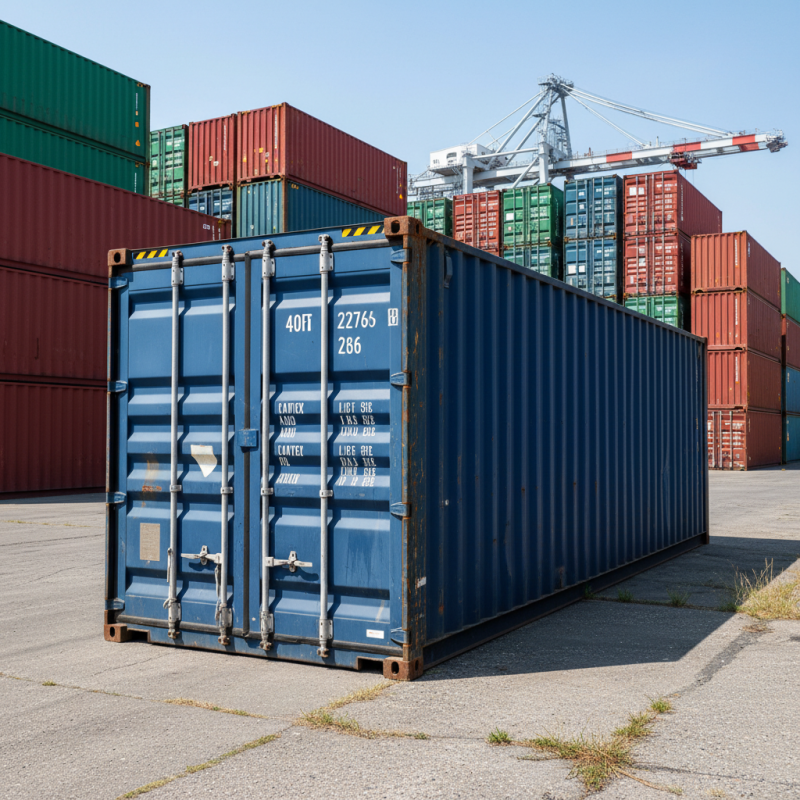
When considering a 40ft shipping container, various factors influence the pricing. The container's condition is vital. New containers typically cost more than used ones. However, a used container might show signs of wear or rust. Inspect each option carefully before making a decision. The location of the supplier also plays a significant role in the cost. Transport fees can increase the price, especially if you’re far from major shipping hubs.
Tips: Look for local suppliers to save on shipping costs. Understand that the container's age affects its longevity. Choose wisely between new and used containers based on your needs.
Market demand fluctuates, impacting pricing. In high-demand periods, prices climb. Be aware of how seasons affect supply. The time of year can drastically change your purchase cost. Consultation with professionals can provide insights and save you money.
Tips: Monitor market trends for better deals. Timing your purchase can lead to significant savings. Consider seasonal variations in your planning.
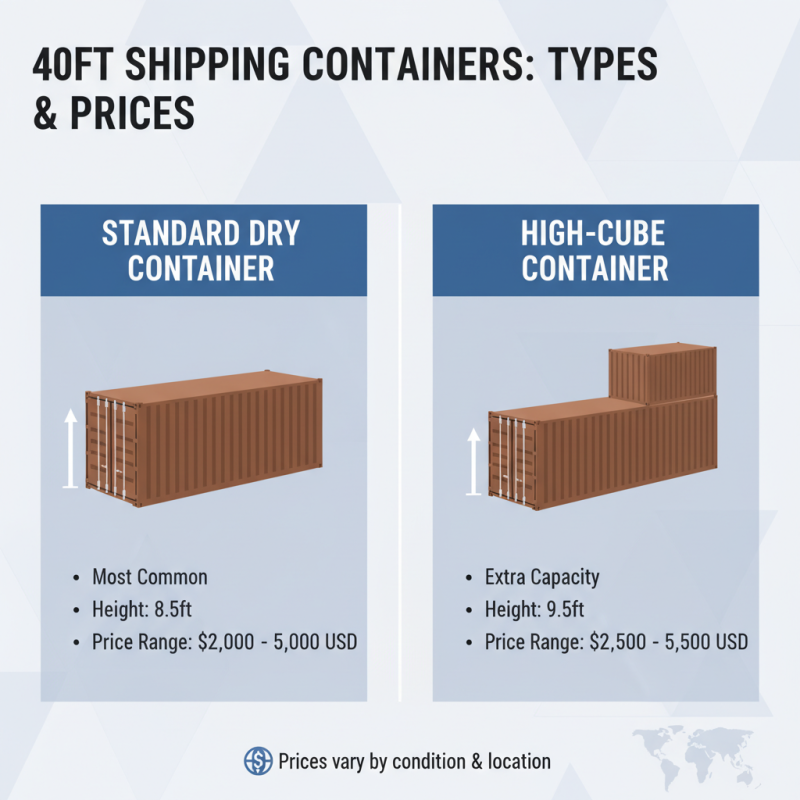
When considering 40ft shipping containers, it's essential to understand the various types available and their price ranges. The standard dry container is the most common. Prices typically range from $2,000 to $5,000, depending on the condition and location. Another option is the high-cube container. It's about a foot taller, accommodating more cargo. These generally cost between $2,500 and $5,500.
Reefer containers are temperature-controlled. They maintain specific conditions for perishable goods. Expect to pay anywhere from $3,000 to $8,000 for a used reefer. Each container type serves distinct purposes, and your choice will depend on your specific needs. Keep in mind that market conditions can affect availability and pricing.
**Tips:** Research local suppliers for accurate pricing. Consider the container's condition before finalizing your purchase. It’s crucial to weigh your options and understand what features matter most for your usage. Additionally, shipping and delivery costs could add to the overall expense. Always ask for a detailed quote to avoid surprises later.
When considering the purchase of a 40ft shipping container, it's crucial to factor in additional costs beyond the initial price. Transportation fees can add significant expenses. Depending on the distance, you may need to budget for truck or rail charges. These costs can vary widely based on your location and the container's origin.
Inspection and maintenance should also be part of your financial plan. A thorough inspection is essential to ensure you are buying a quality container. This might involve a fee if hiring a professional. Additionally, ongoing maintenance costs, such as painting or repairing rust, should not be overlooked.
If you plan to modify the container for specific uses, be prepared for extra costs. Customizations can include insulation, windows, or ventilation systems. These changes can quickly increase your total investment. It's important to weigh these potential expenses against your budget before making a purchase. Each aspect plays a role in your overall spending strategy.
| Cost Component | Estimated Cost (USD) | Notes |
|---|---|---|
| Base Price of 40ft Container | $3,000 - $5,000 | Depends on the condition (new vs used) |
| Delivery Charges | $200 - $600 | Depends on distance and location |
| Customization Costs | $500 - $2,000 | Additional features such as windows, doors, insulation |
| Permits and Fees | $50 - $300 | Depending on local regulations |
| Insurance | $100 - $250 | For transit and storage |
| Total Estimated Costs | $3,850 - $8,150 | Including all associated costs |
When considering where to buy or rent a 40ft shipping container, there are several options to explore. Many businesses opt for purchasing containers from specialized suppliers. Industry reports indicate that the average price of a used 40ft container ranges from $2,500 to $5,000. This price can vary based on condition, age, and location. It's essential to inspect the container before buying. Look for signs of rust or damage.
Renting a shipping container is also a viable option for those who need flexibility. Rental rates typically range from $100 to $300 per month. This can be a cost-effective solution for short-term projects. Rental companies often provide delivery services, making it easier for businesses to set up quickly. However, carefully reading rental agreements is crucial, as hidden fees can arise.
Additionally, online marketplaces have gained traction in recent years. These platforms connect buyers and sellers efficiently. They often list containers with detailed descriptions, including dimensions and condition reports. However, buyers should remain cautious. Not all listings guarantee quality, so thorough research and customer reviews are essential.
When considering the purchase of a 40ft shipping container, it’s essential to understand the market dynamics. Prices can vary significantly based on location, condition, and availability. According to a 2022 report by the Container Trade Statistics, average costs range from $2,500 to $5,000, depending on whether the container is new or used. Location can inflate or deflate this range, so always check local suppliers.
To secure the best deal, start by researching multiple vendors. Compare their prices and container conditions. You might come across containers sold as "one-trip" which are nearly pristine. These could be worth the extra cost if longevity is your priority. Seasonality can impact prices too. Reports indicate a spike during peak shipping seasons, affecting availability.
Don’t overlook negotiation. Many suppliers expect some level of back-and-forth. Explore options for bundles or discounts on bulk purchases, if applicable. Keep in mind that while lower prices are appealing, the container's condition is key. Thoroughly inspect before buying; avoid relying solely on images or descriptions. Transparency in transactions is vital, even if it means losing a deal. Your aim should be securing a reliable container that meets your needs without compromise.