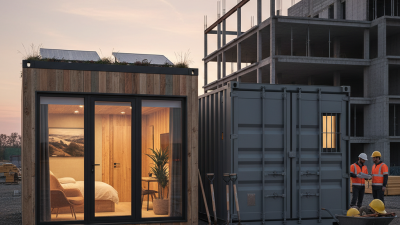
In recent years, the 20ft shipping container has emerged as a practical solution for storage needs. Its versatility makes it a popular choice for many. These containers serve various purposes beyond standard shipping. Families often use them for extra storage, clearing out clutter from their homes.
The compact size of a 20ft shipping container fits well in tight spaces. Imagine transforming your backyard into a functional storage area. However, it's essential to remember that not all containers are created equal. Some may show signs of wear. Checking for rust or leaks can save headaches down the road.
Used wisely, a 20ft shipping container can also serve as an innovative workshop or studio. This transformation allows for creative spaces without the need for extensive renovations. The key is to consider accessibility and location. Reflecting on the arrangement can lead to a more efficient layout. Ultimately, the benefits are substantial, but proper planning is crucial.
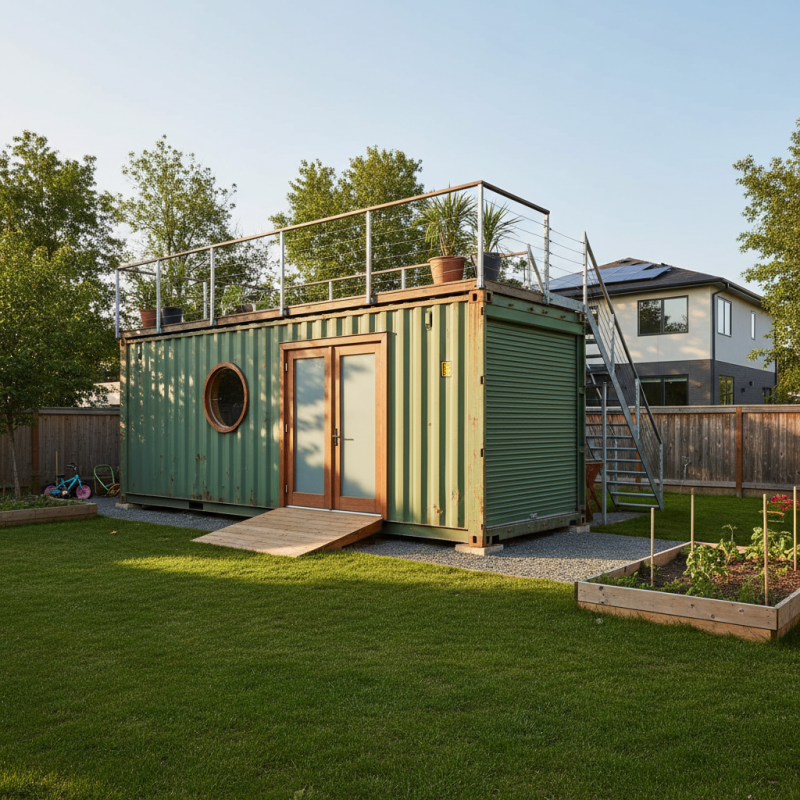
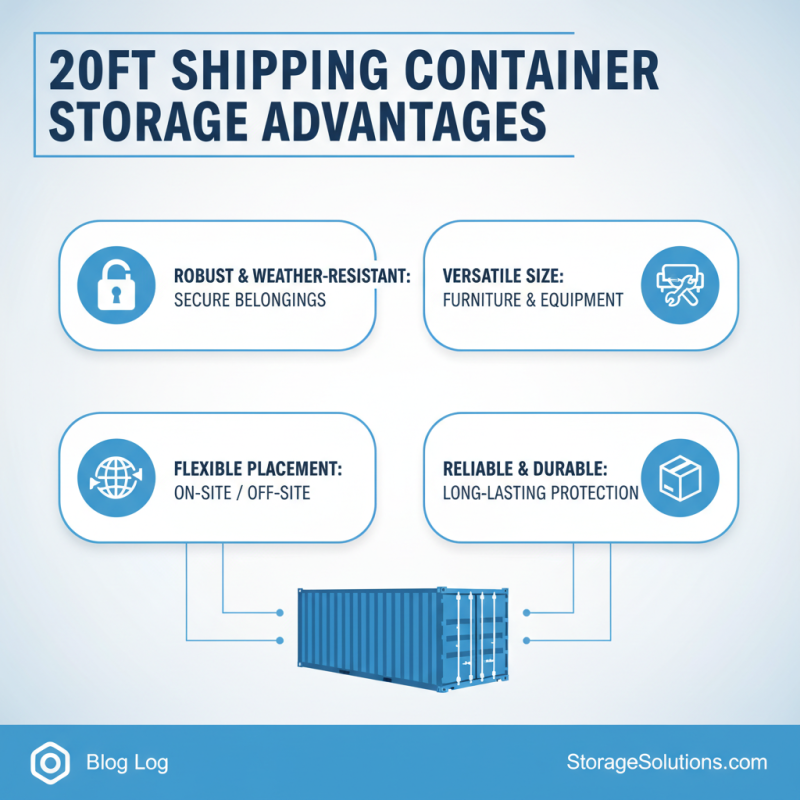
When considering storage solutions, 20ft shipping containers offer significant advantages. They are robust and weather-resistant, ideal for safeguarding belongings. Their size is perfect for various items, whether it's furniture or equipment. Many people appreciate the flexibility that comes with these containers. They can be used on-site or at a separate location.
**Tips:** Choose a container with a secure lock. This enhances safety. Regularly inspect for rust or damage. Proper maintenance will prolong its lifespan.
These containers are also cost-effective. Renting or buying is often cheaper than traditional storage units. However, you might face some challenges. Finding a suitable location is essential. Ensure it's accessible for loading and unloading.
**Tips:** Keep the interior organized. Use shelving or bins for smaller items. This maximizes space efficiency. Be aware of local regulations regarding container placement. You may need permits in some areas.
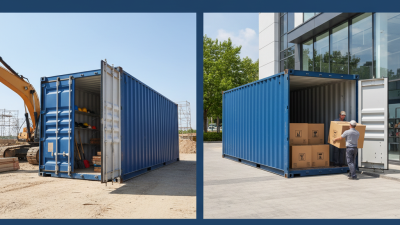
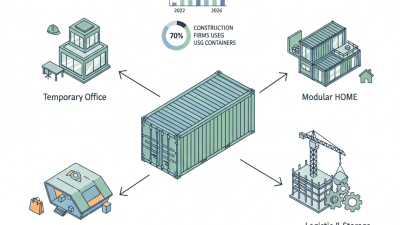
In today's fast-paced world, the versatility of a 20ft shipping container is undeniable. These containers serve various industries. They are ideal for storage needs, offering a secure space for tools, equipment, or inventory. Many construction sites use them as temporary offices or material storage. Their robust design withstands harsh weather conditions.
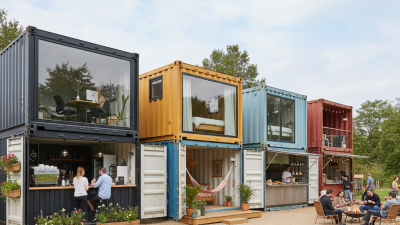
Beyond construction, 20ft containers find their way into retail. Small businesses convert them into pop-up shops. This transformation allows for unique customer experiences. Some even use them for mobile cafes, brewing coffee in unexpected locations. The creativity displayed in these conversions is remarkable but often leads to unexpected challenges too.
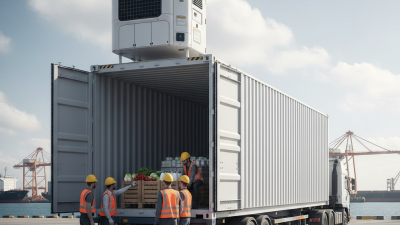
On the agricultural front, farmers utilize these containers for storing produce or equipment. Their ability to maintain temperature makes them perfect for fresh goods. However, organizing the space can be tricky. Without proper planning, space can quickly become disorganized. Each industry benefits differently, yet they all face the need for efficient use and design.
Renting a 20ft shipping container can be a smart choice for many. It offers flexibility without a large upfront cost. If you need extra storage for a short period, renting is ideal. You pay for the time you use it. No long-term commitment is required, which is a significant advantage for businesses or individuals with changing needs.
On the other hand, buying might make sense for long-term storage. Owning a container means you can customize it to your needs. However, the initial cost can be high. Maintenance is also an ongoing responsibility. You must consider whether you really need it. Do you have enough items to justify this investment?
Ultimately, the decision hinges on your specific situation. Evaluate your storage needs carefully. Consider how often you will use the container. Each option carries distinct benefits and drawbacks. Reflect on what makes sense for you in the long run.
When considering storage solutions, the durability and security of a 20ft shipping container stand out. These containers are designed to withstand harsh weather conditions, proving their resilience. According to a report by the International Maritime Organization, shipping containers are engineered to last for decades. Their steel construction makes them resistant to rust and corrosion, allowing them to endure various environmental challenges.
Security is another vital aspect. A study by the Container Owners Association indicates that theft-related incidents in shipping containers are significantly lower compared to traditional storage facilities. The robust lock systems and solid steel walls deter intruders effectively. However, it is essential to be aware that not all containers are created equal. Some may have compromised seals or structural weaknesses. Regular inspections are necessary to ensure that the container remains secure and functional.
Interestingly, while these containers provide excellent protection against external threats, they can be prone to moisture buildup if not properly ventilated. This can create issues like mold or damage to stored items. Awareness of these factors is key when selecting a 20ft container for storage purposes. It’s important to weigh both the benefits and potential drawbacks before making a decision.
Repurposing shipping containers for storage offers significant eco-friendly benefits. According to the Environmental Protection Agency (EPA), around 14 million tons of metal waste come from shipping containers each year. By reusing these containers, we can reduce landfill overflow and conserve resources. This practice cuts emissions associated with manufacturing new storage solutions.
Using a 20ft shipping container for storage helps decrease the carbon footprint. Studies show that repurposing existing materials typically uses 75% less energy than producing new ones. A container can serve various purposes, from tool sheds to mobile offices. However, it's important to be mindful of insulation and ventilation when repurposing. Many containers are not equipped to handle extreme weather, which can lead to moisture issues over time.
Additionally, the aesthetic appeal of a repurposed shipping container can be polarizing. Some find the industrial look attractive, while others see it as an eyesore. This disparity raises questions about neighborhood compatibility and zoning regulations. As you contemplate the use of a shipping container, assess both the environmental impact and your community's response to this type of storage solution.
| Benefit | Description | Eco-Friendly Aspect |
|---|---|---|
| Versatile Storage Solution | Can be used for various storage needs including residential, commercial, and industrial. | Reduces the need for new construction materials. |
| Cost-effective | Generally cheaper than traditional storage solutions such as warehouses. | Repurposing containers minimizes waste. |
| Durability | Built to withstand harsh conditions, ensuring long-lasting storage. | Encourages recycling of strong materials. |
| Mobility | Can be easily relocated, providing flexible storage options. | Promotes the use of existing resources instead of new buildings. |
| Security | Steel construction offers a high level of security for stored items. | Reduces the carbon footprint associated with fabricating new storage units. |