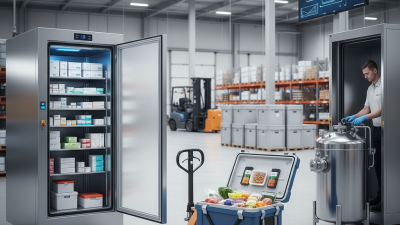
In today's fast-paced market, businesses face the challenge of preserving products efficiently. A cold storage container offers an innovative solution for food and goods. These containers maintain a low temperature, ensuring freshness and safety during transport.
Using a cold storage container helps to prevent spoilage. This is critical for perishable items like fruits, vegetables, and dairy products. Moreover, these containers can reduce food waste significantly. With the right temperature control, companies can extend the shelf life of their products.
Yet, some may wonder about the initial investment involved. While it can be significant, the long-term savings from reduced waste and improved product quality often outweigh the costs. Investing in a cold storage container can be a wise choice for businesses aiming to enhance their efficiency and reliability.

Cold storage containers play a vital role in preserving food and products. They are specially designed units that maintain low temperatures. This helps to extend the lifespan of perishable items. The purpose of these containers is straightforward: to keep food fresh and safe. They are commonly used in transportation and storage.
Using cold storage can reduce waste significantly. It allows businesses to stock more items without the fear of spoilage. However, it’s important to monitor temperatures regularly. A small malfunction can lead to loss.
Tips for effective use include organizing items based on their expiration dates. Keep frequently used products at eye level for easy access. Ensure that air flows freely within the containers. This promotes better cooling. Always perform regular maintenance checks. A well-maintained container operates efficiently. Don't overlook the importance of cleanliness too. A dirty container can lead to cross-contamination.
| Benefit | Description | Applicable Products | Storage Duration |
|---|---|---|---|
| Temperature Control | Maintains optimal temperature for perishable goods. | Fruits, vegetables, dairy products | Days to Weeks |
| Extended Shelf Life | Helps to prolong the freshness and quality of items. | Meat, seafood, baked goods | Weeks to Months |
| Flexibility | Can be transported easily, suitable for temporary storage needs. | All types of temperature-sensitive products | Varies |
| Cost Efficiency | Reduces waste by keeping products fresh. | Groceries, pharmaceuticals | Days to Months |
| Health and Safety | Prevent spoilage and contamination of food items. | Prepared meals, dairy products | Days to Weeks |
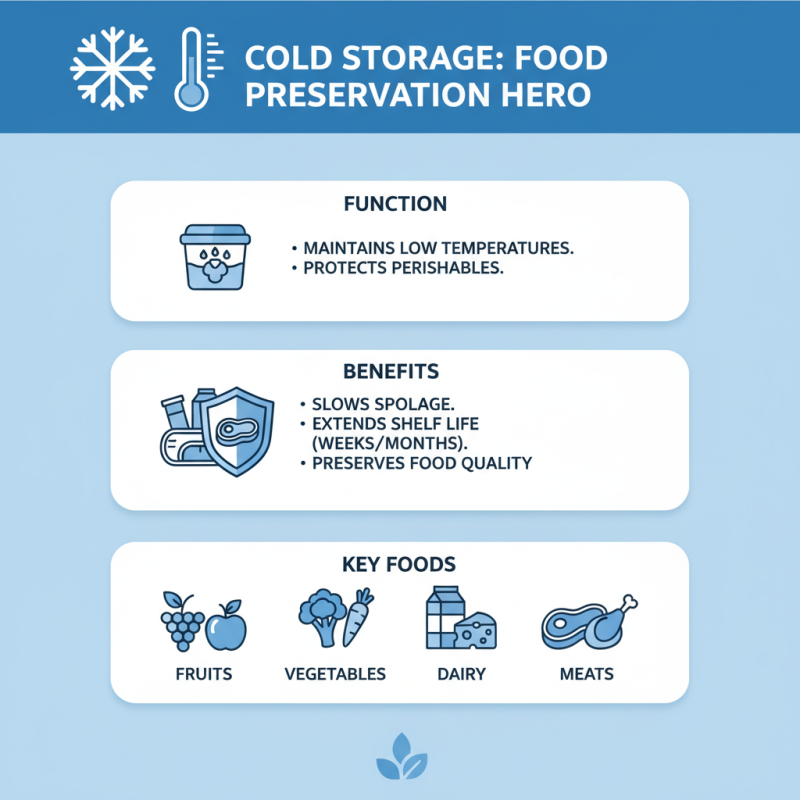
Cold storage containers play a vital role in food preservation. They maintain low temperatures, protecting perishable items. Fruits, vegetables, dairy, and meats benefit immensely from this controlled environment. By slowing down spoilage, these containers extend the shelf life of products. In some cases, the quality of food can be preserved for weeks or even months.
When using cold storage, it's essential to monitor temperatures. Fluctuations can occur, leading to food safety issues. A small mistake can turn fresh produce into a spoiled mess. Moreover, space management inside the container is crucial. Overcrowding may block air circulation, affecting cooling efficiency. Smaller items should be placed strategically to ensure even temperature distribution.
Another benefit is cost savings in the long run. Purchasing food in bulk can reduce overall expenses. However, if not stored properly, these savings could vanish quickly. No one wants to waste money on spoiling items. It raises the question of whether more care should be taken with storage practices. Every detail matters when it comes to preserving food efficiently.
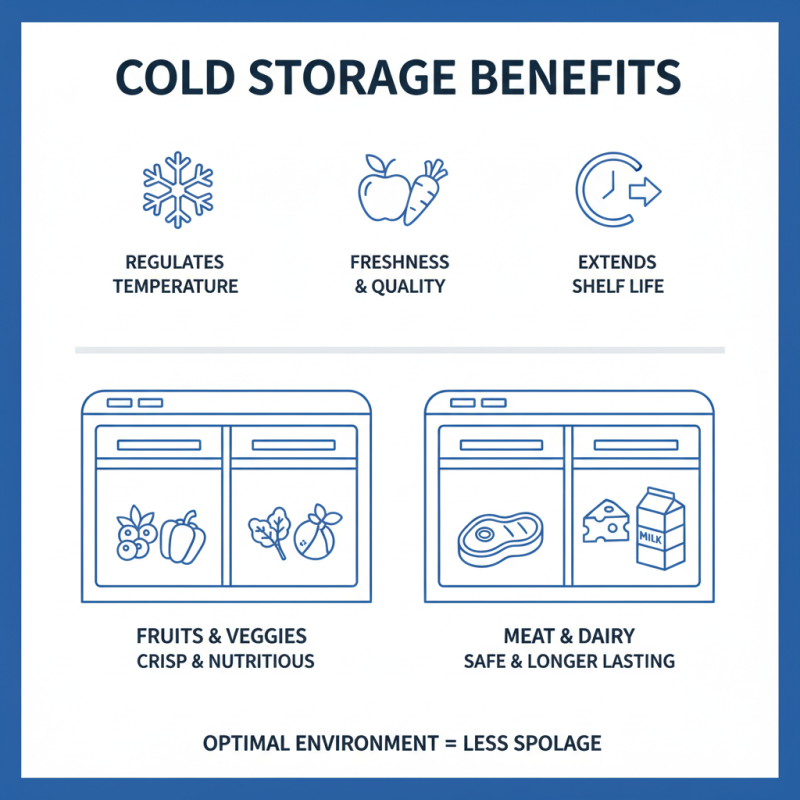
Cold storage containers play a vital role in maintaining the freshness and quality of food products. These containers regulate temperature, creating an optimal environment. This helps slow down spoilage processes. For instance, fruits and vegetables retain their crispness longer when stored in these controlled conditions. Meat and dairy products benefit greatly, too. They remain safe and nutritious for a prolonged period.
Ensuring product quality goes beyond temperature control. Cold storage also minimizes the risk of contamination. When products are kept at consistent, low temperatures, bacteria growth is significantly reduced. However, relying solely on cold storage can lead to complacency. Regular checks and maintenance are essential to ensure the equipment functions efficiently. Ignoring these tasks can result in unexpected losses.
Investing in cold storage might seem costly, but it can save money in the long run. Fresh produce often commands better prices. Additionally, lower waste due to spoilage means more profit. Nevertheless, it's necessary to understand the risks involved. Incorrect temperature settings can lead to poor quality, forcing businesses to rethink their strategies. Balancing costs and quality requires careful thought.
Cold storage solutions offer significant cost-effectiveness for businesses. In fact, studies show that proper temperature control can reduce spoilage rates by 30% to 50%. This directly translates to savings, especially for perishable goods. Businesses are able to minimize waste and maximize profits through improved inventory management.
Implementing cold storage can also enhance operational efficiency. According to industry reports, businesses that utilize these containers can cut annual energy costs by 20%. The efficient use of energy is critical in maintaining a sustainable operation. However, initial investments can be costly. Many businesses hesitate, not realizing the long-term savings possible with reduced spoilage and lower energy costs.
Tips for maximizing your cold storage investment include regularly monitoring temperatures. Small adjustments can lead to significant savings. Additionally, consider spacing and organization within the containers. Overcrowding can lead to heating hotspots, risking product quality. Frequent evaluations are essential; a one-size-fits-all approach rarely works. Finding the right solution requires research and ongoing adaptation to ensure effectiveness.
Cold storage containers play a vital role in the logistics sector. Their environmental benefits are noteworthy and increasingly recognized. According to a 2022 report by the Global Logistics Association, efficient temperature control can reduce food waste by up to 30%. This is crucial, as food waste has a significant environmental impact, contributing to greenhouse gas emissions.
The containers are designed to maintain specific temperature ranges, reducing the need for frequent deliveries. This helps lower carbon footprints associated with transportation. A study by the Institute of Supply Chain Management found that utilizing these containers can improve energy efficiency by approximately 25%. Companies can save money while minimizing environmental harm.
However, there are areas for improvement. Not all cold storage containers are designed with sustainability in mind. Some still rely on fossil fuels, which can negate their benefits. More research is needed to explore alternative energy sources for these containers. Overall, the logistics sector has a responsibility to prioritize eco-friendly options. The shift towards sustainable practices is not just beneficial; it's essential for our planet's future.