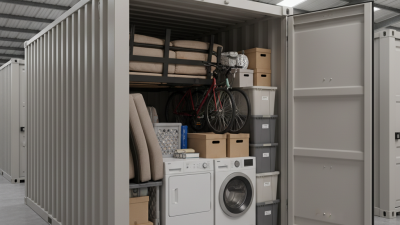
In the ever-evolving world of shipping and logistics, efficiency and reliability are paramount. One of the most significant innovations to emerge in this field is the use of ISO containers. These standardized shipping containers have revolutionized the way goods are transported across the globe, providing numerous advantages that enhance the shipping process. The increased popularity of ISO containers stems from their versatility, durability, and adaptability to various shipping needs.
As businesses strive to streamline their operations and reduce costs, the benefits of ISO containers become increasingly apparent. From simplifying loading and unloading processes to enhancing cargo security, ISO containers offer solutions that address the challenges faced by shippers today. Moreover, their uniform dimensions facilitate better space utilization in transportation and storage, making them an essential asset for companies looking to optimize their supply chain management. This article will delve into the top ten benefits of using ISO containers for your shipping needs, highlighting how they can make a significant impact on your logistical operations.
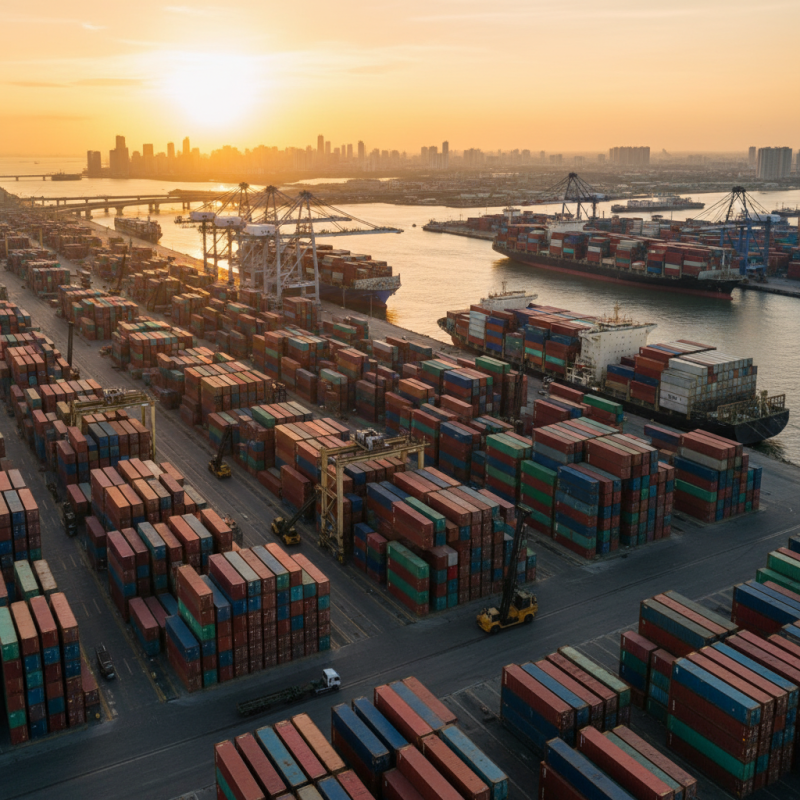
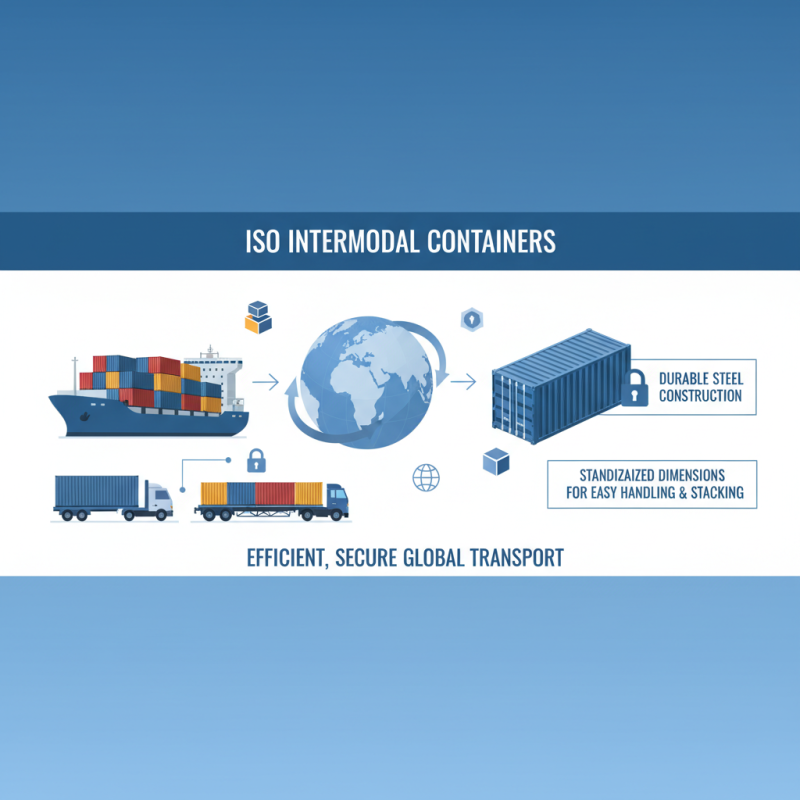
ISO containers, also known as intermodal containers, are standardized shipping units designed for efficient transportation across various modes of transport, including ships, trucks, and trains. They provide a secure way to transport goods worldwide, as their uniform dimensions allow for easy handling and stacking. Typically made from durable materials such as steel, ISO containers can withstand various weather conditions and maintain the integrity of their contents during transit.
When utilizing ISO containers for shipping, a few tips can enhance your experience. First, ensure proper packing techniques by distributing weight evenly to avoid shifting during transportation. This not only protects your goods but also maximizes space efficiency. Second, familiarize yourself with the dimensions and weight limits of the ISO containers you choose; this knowledge can help you make informed decisions about cargo specifications and shipping costs. Lastly, consider using additional sealing mechanisms to enhance security, which can deter potential tampering or theft during transit.
By understanding and leveraging the benefits of ISO containers, shippers can optimize their supply chain operations. Emphasizing standardization and versatility, these containers cater to a wide range of shipping needs and contribute to a more streamlined logistical process.
ISO containers are renowned for their enhanced durability and weather resistance, making them an excellent choice for shipping goods across diverse environments. Constructed from high-strength steel, these containers can withstand harsh conditions, including extreme temperatures, heavy rain, and strong winds. Their robust design ensures that the contents remain secure and unaffected by external elements, thereby reducing the risk of damage during transit.
Moreover, ISO containers are designed to be watertight, preventing moisture from entering and compromising the integrity of the stored goods. This feature is particularly crucial for items that are sensitive to humidity or require a stable environment. The versatility of these containers also extends to their ability to be stacked and transported efficiently, ensuring that they can be moved quickly, further enhancing protection from the elements during loading and unloading. Overall, the durability and weather resistance of ISO containers provide peace of mind to shippers, ensuring that goods arrive at their destination in optimal condition.
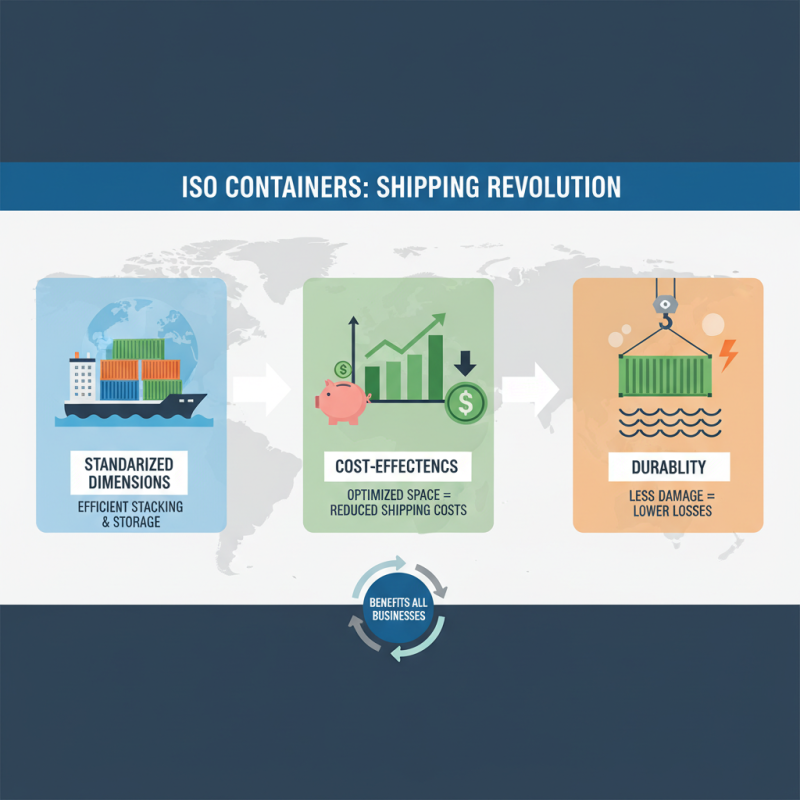
ISO containers have revolutionized the shipping and logistics industry, offering remarkable cost-effectiveness that benefits businesses of all sizes. One of the primary advantages of using ISO containers is their standardized dimensions, which allow for efficient stacking and storage. This uniformity not only optimizes space during transport but also minimizes shipping costs by enabling more goods to be transported at a lower price per unit. Additionally, the durability of ISO containers means that they can withstand harsh conditions, reducing the risk of damage to goods and the associated costs of loss.
When considering ISO containers for your shipping needs, it’s essential to evaluate your specific requirements. Here are a few tips to keep in mind: first, assess the volume and type of goods you will be shipping to choose the right container size. Secondly, consider the route and the potential challenges related to logistics and customs to ensure a smooth shipping process. Finally, invest in regularly inspecting your ISO containers to maintain their integrity and avoid unexpected expenses down the road.
Moreover, the flexibility of ISO containers allows businesses to adapt to changing shipping demands without incurring hefty costs. Whether you are shipping internationally or domestically, ISO containers can help streamline your operations, reduce waste, and ultimately improve your bottom line.
The implementation of ISO containers brings significant advantages in terms of standardization and interoperability, which are crucial in today’s global shipping industry. According to the International Organization for Standardization (ISO), standardization improves efficiency and minimizes costs by facilitating compatibility across various transportation modes. As data from the World Cargo Report highlights, using standardized containers allows for seamless transitions between ships, trucks, and trains, reducing the risks of damages and delays often experienced with non-standardized shipping methods.
The versatility of ISO containers also enhances operational efficiency. A report by the International Maritime Organization indicates that approximately 90% of global trade is carried out using container shipping. This prevalence underscores the necessity for interoperability between different transport systems. By adopting ISO containers, companies can easily integrate their supply chains with partners worldwide, maximizing throughput and minimizing redundancies in shipping processes.
Tips: When selecting ISO containers for your shipping needs, consider your specific cargo requirements, including size, weight, and the nature of the goods being transported. Additionally, ensure proper labeling and documentation to streamline customs processes. This proactive approach not only facilitates smoother transitions but also aligns with industry standards for handling and storage.
Using ISO containers for shipping not only enhances efficiency but also offers significant environmental advantages. These containers are designed for durability and reusability, which significantly cuts down on waste. By opting for ISO containers, businesses can minimize their carbon footprint since these containers are often transported via multiple modes, including ships, trucks, and trains, reducing the emissions associated with transportation logistics. Additionally, many shipping companies are now employing practices that minimize energy consumption during transit, further contributing to a greener supply chain.
Tips for maximizing the environmental benefits of ISO containers include ensuring that your utilized containers are maintained properly to prolong their lifespan, thereby reducing the need for new containers. Collaborating with freight carriers who prioritize sustainability can also amplify your efforts; look for those implementing eco-friendly practices in their operations. Finally, consider consolidating shipments to reduce the number of trips required, thereby decreasing overall fuel consumption.
Investing in ISO containers can lead to lower costs due to their reusability, but it also fosters a culture of environmental responsibility. By adopting sustainable shipping practices, you not only contribute to a healthier planet but can also appeal to eco-conscious customers who value sustainable operations.
| Benefit | Description | Environmental Impact |
|---|---|---|
| Durability | ISO containers are built to withstand harsh conditions, reducing the need for replacements. | Less waste generated from discarded containers. |
| Reusability | Designed for multiple cycles of use, promoting a circular economy. | Reduces resource consumption over time. |
| Reduced Carbon Footprint | Optimized for shipping efficiency, leading to lower emissions per transport. | Contributes to global efforts in reducing greenhouse gases. |
| Standardization | Compliance with international shipping standards streamlines logistics. | Enhances transportation efficiency, leading to less fuel consumption. |
| Versatility | Can be used for various types of cargo, including hazardous materials. | Enhanced safety measures for transporting sensitive materials. |
| Reduced Packaging Waste | Cargo can be loaded directly into containers, minimizing packaging usage. | Less plastic and cardboard waste in landfills. |
| Easy Transport | Containers are easily transferred between ships, trucks, and trains. | Optimizes overall transport efficiency, further lowering emissions. |
| Energy Efficiency | Built to maximize the use of available space, lowering energy costs. | Promotes fuel conservation across the supply chain. |
| Modular Design | Can be easily stacked and configured to fit various transport needs. | Maximizes space utilization, reducing transport trips. |
| Improved Security | Lockable containers reduce the risk of theft and damage. | Protects the integrity of cargo, reducing waste from spoilage. |