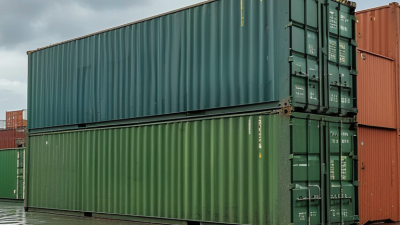
China Best 8ft Shipping Container for Sale?
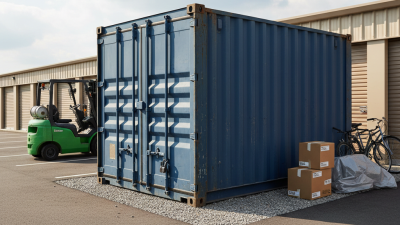
Finding the China best 8ft shipping container for sale requires more than comparing online prices. A compact container may fit a narrow yard, workshop, construction site, or retail display area. Its smaller footprint can simplify delivery, but internal space becomes limited quickly. Measure your equipment first. A standard pallet, shelving unit, or small generator may leave less usable room than expected.
A reliable buying decision starts with practical specifications. Check the container’s external and internal dimensions, steel thickness, door opening, floor condition, roof design, and ventilation options. Ask whether it is new, one-trip, refurbished, or used. Inspect photographs of corner posts, door seals, locking bars, and flooring. Rust around the lower rails deserves attention. So does a door that appears uneven.
Supplier experience also matters. Request factory details, production images, inspection records, packing information, and a clear quotation. Confirm paint systems, drainage, delivery terms, warranty coverage, and replacement procedures before payment. Independent inspection can reveal problems that polished photos hide. A written specification is safer than a friendly promise.
There is no single best model.
The right choice depends on cargo, climate, access, and budget. A refurbished unit may offer good value, yet repairs can be inconsistent. A new unit usually provides cleaner surfaces and more predictable performance, but costs more. I would avoid claiming that every Chinese manufacturer delivers the same quality. Compare several suppliers carefully, verify measurements, and consider local building or transport requirements. This approach makes an 8ft shipping container a practical investment rather than an attractive mistake.
What Is an 8ft Shipping Container?
China Best 8ft Shipping Container for Sale?
What Is an 8ft Shipping Container?
An 8ft shipping container is a compact steel freight unit, usually measuring eight feet long and eight feet wide. Its external height is commonly 8 feet 6 inches, although low-height models also exist. ISO 668:2020 provides the dimensional framework for freight containers, but not every 8ft unit carries full ISO certification.
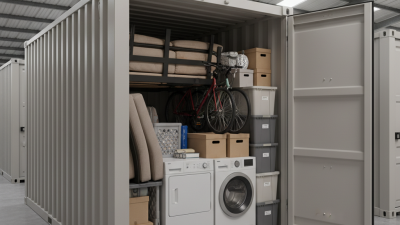
Inside, usable space is smaller than expected. A typical model offers about 7 feet 7 inches of internal length, depending on wall thickness and door design. It may hold tools, small machinery, garden equipment, or short-term inventory. A standard pallet can fit, but turning space becomes limited. Measure twice.
The CSC safety plate identifies approved operating details, including tare weight and maximum gross mass. Never rely only on a sales listing. The exact payload depends on steel thickness, flooring, doors, and local manufacturing practice. UNCTAD’s Review of Maritime Transport 2024 recorded approximately 858 million TEUs in global container port throughput during 2023. That figure shows the scale of container logistics, yet an 8ft unit remains a niche size for international shipping.
An 8ft container may suit restricted yards and urban projects. It is not automatically the best choice for ocean transport. Buyers should check certification, corrosion condition, floor loading, ventilation, and delivery access. The smallest option can still create the largest mistake.
China Best 8ft Shipping Container for Sale? – What Is an 8ft Shipping Container?
An 8ft shipping container is a compact steel container with a typical external length of about 2.44 meters, a width of 2.44 meters, and a height of 2.59 meters. The dimensions shown are commonly used approximate external measurements; actual specifications may vary slightly by manufacturer and container type.
Key Specifications and Standard Features of 8ft Containers
An 8ft shipping container offers compact storage without wasting valuable space.
Under ISO 668:2020, standard external dimensions are approximately 2.44m long, 2.20m wide, and 2.59m high. Internal volume usually reaches 9–10 cubic metres, depending on wall thickness and flooring. Typical tare weight ranges from 900kg to 1,200kg. However, the allowable payload depends on the door plate and certification documents. Never rely on an online listing alone.
UNCTAD’s Review of Maritime Transport 2024 reported 12.3 billion tonnes of global maritime trade in 2023. This growing logistics activity increases demand for smaller units near warehouses, construction sites, and urban projects.
In practical inspections, corner posts, door seals, floor condition, and ventilation openings deserve close attention. A new container should have even welds and smooth door movement. A used unit may show surface rust, but deep corrosion needs professional assessment. The “best” option is not always the newest one. That assumption can fail.
Tips:
Confirm the exact external and internal measurements before ordering. Check the CSC plate, maximum gross weight, floor load rating, and locking-bar operation. Ask for dated photos of the roof, underside, and doors. Allow clearance for forklifts and delivery equipment. One overlooked detail matters: an 8ft container may fit the cargo, but not the access route.
Common Materials, Designs, and Available Container Types
China Best 8ft Shipping Container for Sale?
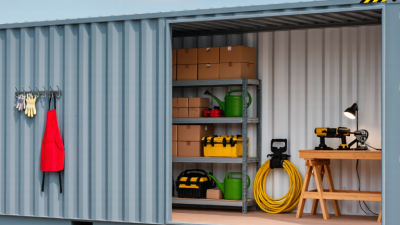
An 8ft shipping container offers compact storage for gardens, workshops, construction sites, and small commercial spaces. Most units use weather-resistant steel, often weathering steel, for the main panels and frame. This material handles rain and daily impacts well, but it still needs surface inspection. Galvanized steel is another practical option where corrosion resistance matters more than a traditional appearance.
Inside, marine-grade plywood flooring is common. It feels solid underfoot and tolerates regular loading better than ordinary wood. Check the floor first. Moisture damage can hide beneath painted surfaces. Door seals, corner posts, welds, and locking bars also deserve close attention. From practical inspections, small rust bubbles often reveal larger maintenance problems.
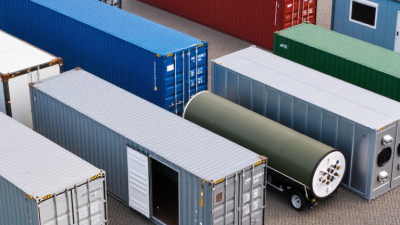
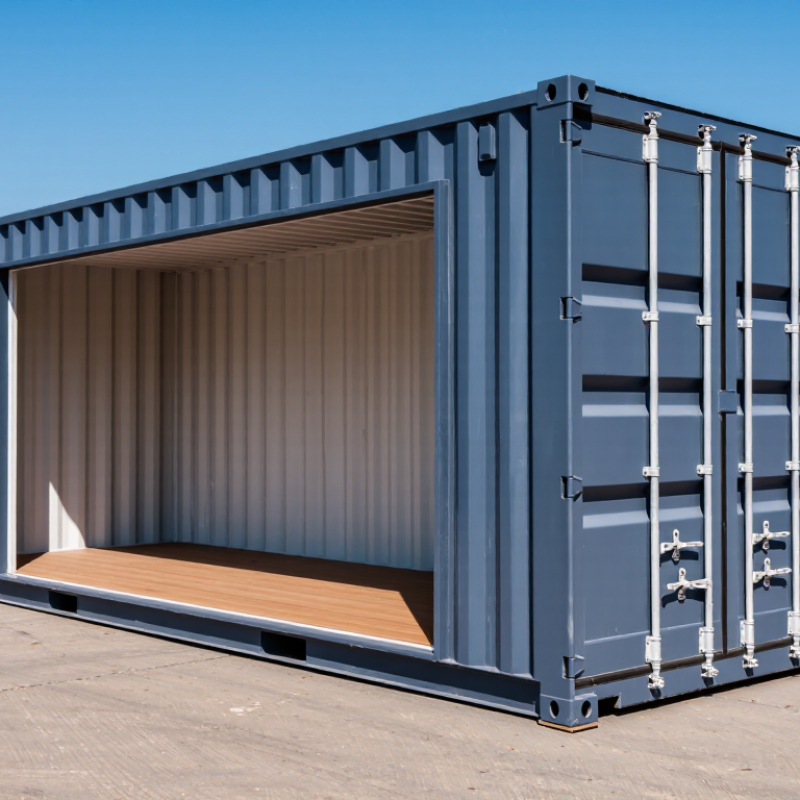
Available designs include standard cargo containers, side-opening models, double-door units, and insulated versions. Refrigerated types provide temperature control, but they require power and more technical maintenance. Some 8ft units are custom-built rather than converted from standard shipping equipment. That difference affects steel thickness, lifting points, ventilation, and resale value. Ask for exact external dimensions, internal clearance, tare weight, coating details, and recent inspection photos. A bright repaint may look convincing, yet it cannot replace clear construction records. Be careful here. The cheapest option may become expensive after transport, repairs, or modifications.
How to Choose the Best 8ft Shipping Container for Sale
China Best 8ft Shipping Container for Sale?
How to Choose the Best 8ft Shipping Container for Sale
An 8ft shipping container should match your actual storage needs, not only your budget. Measure the site carefully, including door clearance and ground access. An 8ft unit usually fits compact yards, workshops, and temporary storage areas. However, its internal space can feel limited after shelving is installed.
Check the steel condition, weld quality, door seals, and floor structure before ordering. Look for weather-resistant paint and a roof without visible dents or standing-water marks. I once underestimated delivery access and had to change the unloading position. That mistake was avoidable. Ask for current photos, exact dimensions, tare weight, and floor load details. Request a written inspection record when available.
A reliable supplier should explain manufacturing standards, delivery conditions, and warranty coverage clearly. Confirm whether the container is designed for transport, storage, or both. Some compact units resemble shipping containers but lack features required for international cargo movement. This distinction matters. Compare prices only after including freight, unloading, taxes, and site preparation. A cheaper quote may hide weak flooring or poor door alignment. If possible, inspect one finished unit before making a large purchase. Small details matter.
Pricing, Inspection, Delivery, and Purchase Considerations
China Best 8ft Shipping Container for Sale?
An 8ft container is compact, but pricing is rarely simple. A new unit may cost more than an older 20ft container per cubic metre. Ask for a full quote covering inspection, inland transport, export handling, insurance, and unloading. UNCTAD’s Review of Maritime Transport 2024 reported container-ship capacity growth of about 8.5% in the previous year. That growth can improve availability, but local stock still controls the final price. Published container-market reports also warn that prices differ sharply by region, grade, and seasonal demand.
Inspection should happen before payment. Check the CSC plate where applicable, corner castings, door seals, roof panels, floor condition, and internal dimensions. Look for daylight through seams. A fresh paint layer may hide corrosion. Request dated photographs, a video opening and closing the doors, and a written condition report. An 8ft model may be modified rather than a common standard size, so confirm payload, tare weight, lifting points, and certification with the seller. I would not trust a low quote without these details.
Tips:
Compare at least three itemised quotations. Confirm whether delivery includes a crane truck. Measure the entrance, turning space, and ground bearing capacity first. Ask about import documents and destination charges. Delivery can fail at the final ten metres. Allow a contingency budget of 10–15% for local handling or access problems. That estimate is practical, not universal, and should be checked against current port and transport rates.