What Is the Best Cooler Cold Plate Supplier in China?
Choosing the best Cooler Cold Plate supplier in China requires more than comparing catalog prices. A reliable supplier must understand thermal transfer, material selection, machining tolerances, and long-term equipment performance. These details affect how quickly a cold plate removes heat from a beverage cooler, display cabinet, or compact refrigeration system. Copper and aluminum offer different advantages. Brazed channels, milled passages, and vacuum-bonded structures also create different performance results. The right choice depends on the cooling load, refrigerant circuit, operating temperature, and installation space.
Factory experience matters. An established manufacturer should provide clear drawings, material certificates, pressure-test records, and practical production samples. Engineers should explain thermal resistance, flow distribution, surface flatness, and corrosion protection without hiding behind vague claims. Ask for test conditions. A result without temperature, flow rate, or ambient data is difficult to trust. Supplier audits can reveal useful details, such as clean assembly areas, calibrated measuring tools, and consistent quality checks. Small details matter.
No supplier is perfect. Communication delays, design revisions, or unexpected tooling costs may appear during development. That does not always indicate poor capability, but weak responses should raise concern. A professional partner admits limitations and proposes workable corrections. This guide examines Chinese Cooler Cold Plate suppliers through engineering capability, customization support, quality control, delivery reliability, and after-sales communication. The “best” supplier may not be the cheapest one. It should be the manufacturer that delivers stable cooling performance, accurate documentation, and dependable support throughout the product’s service life.
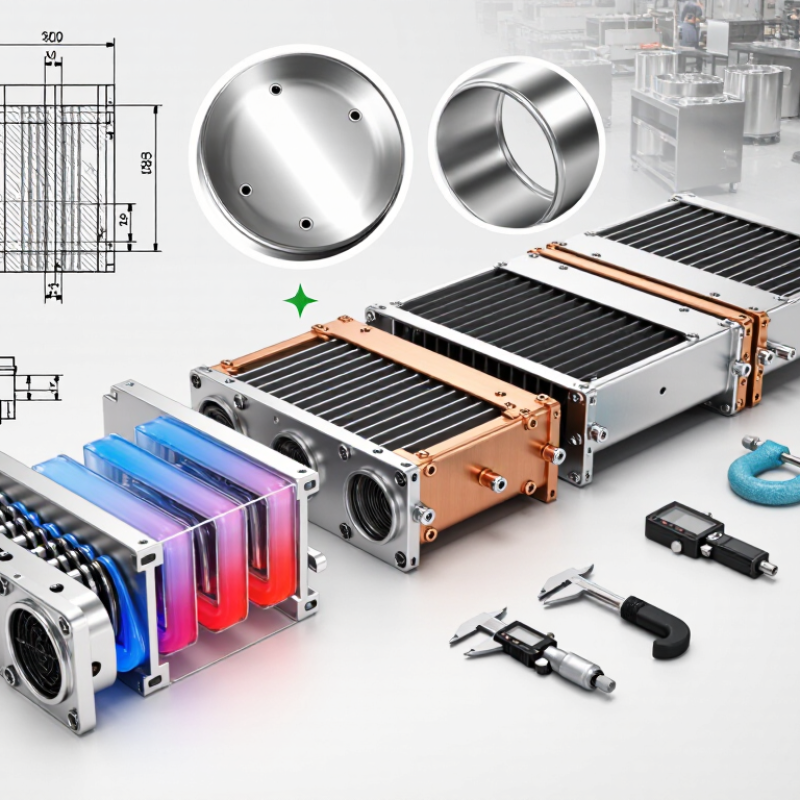
What Is a Cooler Cold Plate and How Does It Work?
What Is the Best Cooler Cold Plate Supplier in China?
A cooler cold plate is a flat thermal platform that removes heat from a controlled surface. It usually contains milled channels, bonded passages, or thermoelectric modules. In liquid systems, coolant flows through internal channels and absorbs heat from the plate. A pump then carries this heat toward a radiator or chiller. In thermoelectric systems, electric current creates the Peltier effect. One side becomes cold, while the opposite side produces additional heat.
The plate needs good contact with the cooled object. Even a small air gap can increase thermal resistance. Copper spreads heat quickly, while aluminum reduces weight and cost. Practical testing should measure thermal resistance, pressure loss, flatness, and leakage under operating conditions. The International Energy Agency reports that global space-cooling demand could more than triple by 2050. This trend increases the need for efficient heat-transfer components, including compact cold plates.
A reliable Chinese supplier should provide material certificates, channel inspection records, pressure-test results, and traceable production data. Ask for performance results at your actual flow rate and temperature range. Generic test figures may look impressive but remain incomplete. Condensation is another concern. Poor insulation can leave water droplets around the plate. That detail is easy to miss. I would also verify machining tolerance and surface finish before approving samples, because a visually clean plate can still perform poorly.
Which Materials and Designs Define a High-Quality Cold Plate?
A high-quality cold plate begins with material selection. Copper offers excellent thermal conductivity, while aluminum reduces weight and cost. Many experienced engineers choose copper for concentrated heat sources, such as processors and power modules. Aluminum can suit larger systems with moderate heat density.
Material alone does not guarantee performance. Channel geometry matters. Microchannels shorten the heat path, but they can increase pressure drop and clogging risk. A supplier should provide measured thermal resistance, flow rate, pressure drop, flatness, and leak-test results.
The IEA’s Electricity 2024 report estimates that data centers consumed about 460 TWh globally in 2022. This growing load makes efficient liquid cooling increasingly important.
High-quality designs often use vacuum brazing, friction-stir welding, or controlled machining. The joining method must prevent hidden voids and uneven contact. A flat mounting surface is essential; even a small gap can weaken heat transfer.
In practical testing, I would inspect the plate under load, not only review laboratory figures. The ASHRAE TC 9.9 guidelines also emphasize stable temperature control for electronic equipment.
Still, published data can be incomplete. Some suppliers report impressive peak values without showing coolant temperature, flow conditions, or test duration. That gap deserves attention. A reliable China-based supplier should share traceable inspection records, repeatability data, and realistic operating limits.
How to Evaluate Chinese Cooler Cold Plate Suppliers
What Is the Best Cooler Cold Plate Supplier in China?
The best supplier is not always the largest factory. Evaluate its cooler cold plate experience, process control, and testing evidence. Ask for drawings, material certificates, and recent thermal test reports. Copper plates need consistent conductivity and clean, uniform channels. Aluminum plates require careful control of wall thickness and joint quality.
Request a sample before signing a large order. Measure flatness, surface roughness, dimensions, and pressure resistance. A reliable supplier should explain its vacuum brazing, CNC machining, or friction-stir welding process clearly. It should also provide inspection records for each production batch. Look for leak testing with recorded pressure, duration, and results. Vague answers deserve caution.
Check whether the engineering team can review your cooler design. They should discuss coolant flow, mounting pressure, corrosion risks, and thermal interface materials. Ask how they handle design changes and rejected parts. A polished brochure is not enough. I would compare at least three suppliers using the same technical checklist. However, supplier claims may still contain gaps, especially when test conditions differ from your application. Require identical test temperatures, flow rates, and measurement methods. Factory audits, traceable samples, and small pilot orders can reveal problems earlier. Cost matters, but unstable flatness or hidden rework can increase the final expense.
What Quality Standards and Certifications Should Buyers Check?
When choosing a cooler cold plate supplier in China, buyers should inspect quality systems before comparing prices. ISO 9001 certification shows controlled processes, documented inspections, and corrective actions. For automotive projects, IATF 16949 can indicate stronger process discipline. Confirm the certificate scope, factory address, expiration date, and issuing body. A certificate may cover another facility.
Material control matters greatly. Ask for aluminum or copper material certificates, heat-treatment records, and batch traceability. RoHS and REACH declarations help verify restricted-substance compliance for international markets. Some applications may also require CE-related technical documentation, but CE marking alone does not prove thermal quality. Check the actual requirements for the destination market.
Request test evidence for flatness, porosity, pressure resistance, leak rate, and thermal performance. A reliable supplier should provide measurement methods, equipment calibration records, and acceptance limits. Review sample inspection reports, first-article inspection results, and process capability data when available. Small channels need special attention. One blocked passage can reduce cooling efficiency.
Do not rely on polished certificates alone. Ask to audit production records or arrange an independent inspection. Suppliers may meet drawing dimensions yet struggle with repeatability. That weakness often appears after several production batches. A practical checklist should include welding or brazing controls, cleanliness limits, packaging protection, and complaint response time. Some documents may be incomplete, so buyers should question unclear data instead of assuming compliance.
How to Select the Best Supplier for Your Cooling Application
What Is the Best Cooler Cold Plate Supplier in China?
Selecting a cold plate supplier requires more than comparing prices or catalog specifications. Start with your actual heat load, coolant type, flow rate, and installation space. Measure the real load. A capable supplier should explain how channel design, plate thickness, and material choice affect thermal resistance. Request test data taken under conditions close to your application, not only laboratory figures.
Ask how the supplier controls flatness, internal cleanliness, weld quality, and leak performance. For liquid cold plates, pressure-drop data is essential because restrictive channels can overload the pump. A reliable manufacturer should provide inspection records, material certificates, and traceability for each production batch. Prototype support also matters. Engineers should review your drawings, identify risks, and suggest practical changes before mass production.
Visit the facility when possible, or request a clear video audit. Check machining equipment, testing procedures, calibration records, and worker experience. Independent verification can reveal gaps between claimed and actual performance. Cost still matters, but a cheaper plate may require more rework, sealing, or field replacement. I have found that supplier comparisons become clearer when every quotation uses the same drawings and test conditions. One weakness remains easy to miss: some suppliers communicate well before the order, then respond slowly during technical changes. Put response times, sampling milestones, and acceptance criteria in writing. Errors happen. The question is how openly they handle them.
What Is the Best Cooler Cold Plate Supplier in China?
Material Thermal Conductivity Benchmark for Supplier Selection
Thermal conductivity is a key factor when selecting a cold plate supplier. At room temperature, copper generally provides higher heat transfer performance than aluminum, while stainless steel offers lower conductivity but may be selected for corrosion resistance, strength, or chemical compatibility. Actual performance also depends on the alloy, channel design, bonding method, surface finish, and manufacturing quality.