Skip to content

20ft Container Best Uses and Buying Guide?

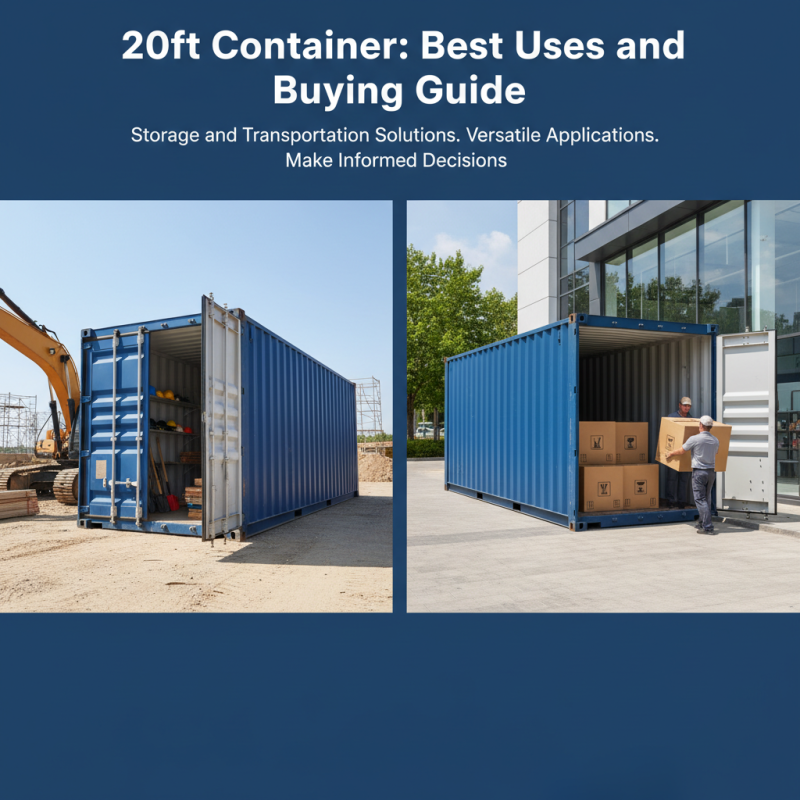
When considering storage and transportation solutions, a "20ft container" often emerges as a top choice. This versatile unit can serve various purposes, making it essential for many industries. From shipping goods across the ocean to serving as on-site storage, the applications are numerous and diverse.

Envision a construction site where tools and materials are securely stored in a robust 20ft container. Picture a retail business utilizing it for extra inventory during peak seasons. The adaptability of these containers is a testament to their growing popularity. However, one must also reflect on their limitations. Are they environmentally friendly? Is the cost justifiable for your specific needs?

Understanding the best uses for a 20ft container can significantly enhance its value for your operations. This guide will explore those uses and provide essential tips for purchasing the ideal unit. Making an informed decision can lead to better results and satisfaction in the long run.
20ft Container Best Uses and Buying Guide?

Understanding 20ft Container Specifications and Dimensions

When considering a 20ft container, understanding its specifications and dimensions is crucial. Typically, a standard 20ft shipping container measures 20 feet long, 8 feet wide, and 8.5 feet high. This size offers a volume of approximately 1,169 cubic feet. Such dimensions make it ideal for various applications, from storage to shipping goods.

The weight capacity of a 20ft container is around 4,900 kg (10,800 lbs). It’s essential to know that exceeding this weight can lead to structural issues. The door openings measure about 7.5 feet high and 7.5 feet wide. This can impact loading and unloading processes. Think about the dimensions carefully to avoid any logistical challenges.

While 20ft containers are versatile, their use is not without its challenges. Users often overlook the need for ventilation, which can lead to moisture buildup. Additionally, securing items inside is critical to prevent damage during transport. Reflecting on these factors can save time and resources.
Common Industries Utilizing 20ft Containers for Shipping

20ft Container Best Uses and Buying Guide?

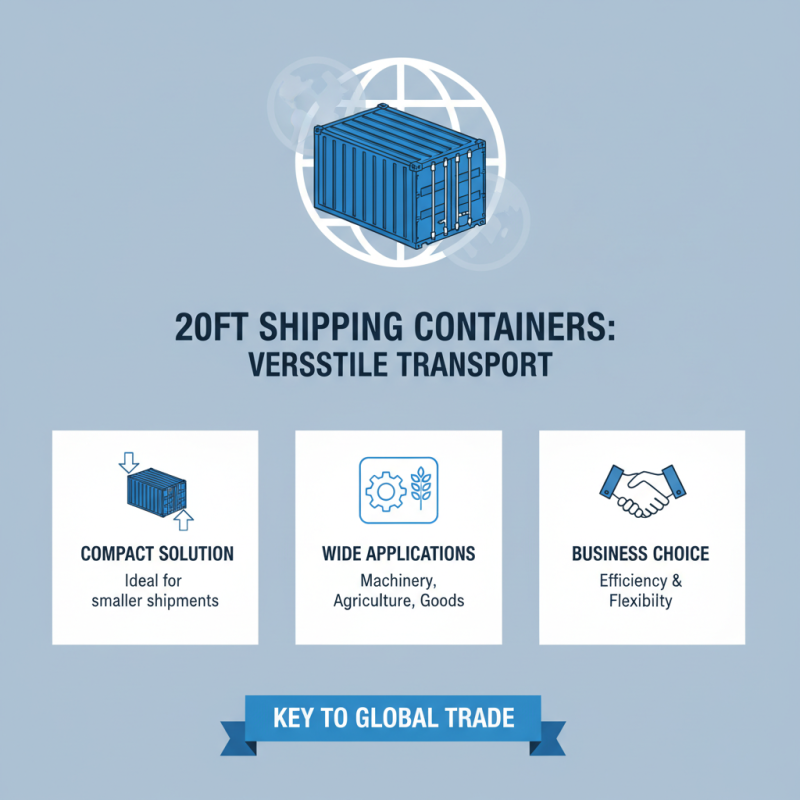
Many industries utilize 20ft containers for shipping. They offer a compact solution for transporting goods. This size is ideal for various products, from machinery to agricultural items. Businesses often choose these containers due to their versatility.

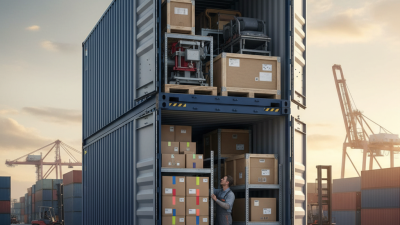
Retail industries frequently use 20ft containers. They transport clothing, electronics, and furniture. These goods require protection during transit. A container keeps items secure from damage. The container is also easy to load and unload. This efficiency saves time and reduces stress.

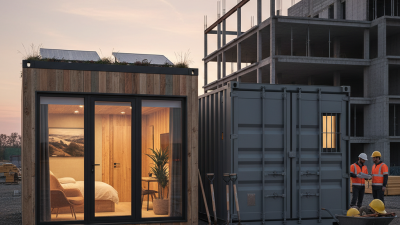
Construction companies benefit from these containers as well. They can store tools and supplies on-site. The containers protect valuable equipment from theft or weather damage. Without a suitable storage solution, projects can face delays. The use of 20ft containers can alleviate this issue. Properly assessing your needs is crucial before buying one. Make sure to consider your space and storage requirements.

Key Advantages of 20ft Containers in Various Applications

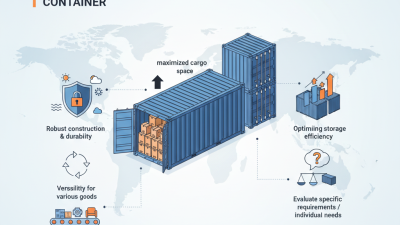
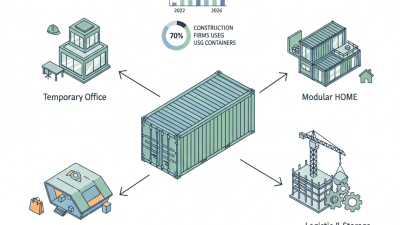
20ft containers offer several advantages across various applications. They are suitable for storage, transport, and even conversion into living spaces. With a capacity of approximately 33 cubic meters, these containers can hold significant weight and volume. Many businesses find them ideal for shipping goods internationally due to their standardized dimensions. According to a recent industry report, the demand for 20ft containers has increased by 15% over the past two years.

One key advantage of 20ft containers is their flexibility. They can quickly adapt to different needs, from temporary storage at construction sites to long-term solutions for businesses. A 20ft container can be loaded with pallets, machinery, or even bulk materials. Furthermore, their weather-resistant design ensures that contents remain protected from the elements. However, it's essential to assess specific requirements before purchasing. Not every site will be suitable for such structures.

Tips: Consider the location where you will place the container. Accessibility is crucial. Think about how you will transport the container to your site. Check for local regulations regarding container use. Ensuring compliance can save you from future headaches. Remember, not every container is in perfect condition. Inspect for rust or structural damage before buying.

Factors Influencing the Price of 20ft Containers in the Market

20ft Container Best Uses and Buying Guide?

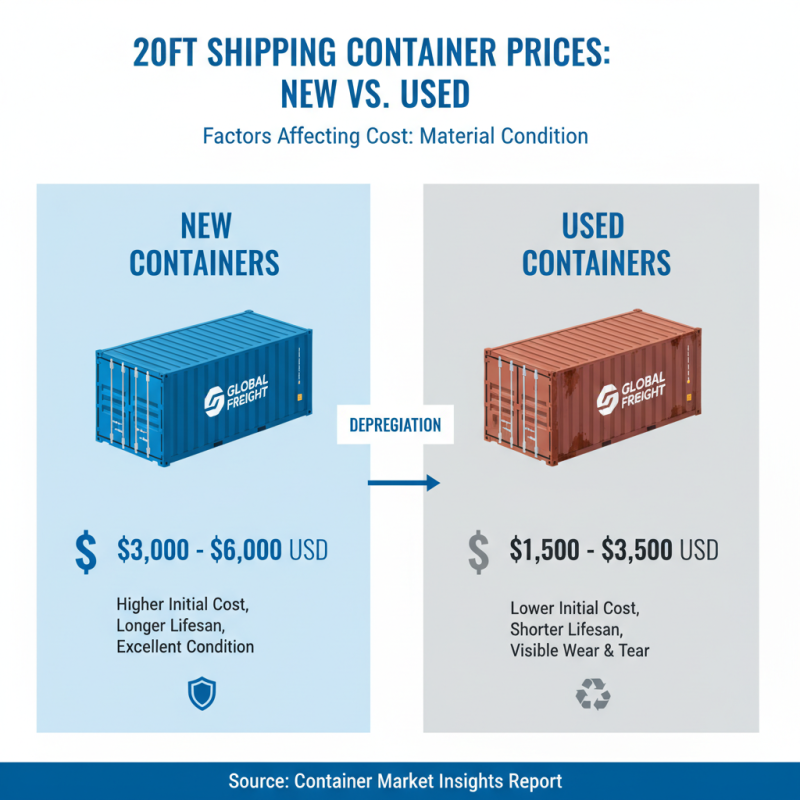
The price of 20ft containers varies based on several factors. One significant element is the material condition. New containers are more expensive than used ones. According to a report by Container Market Insights, a new container can range from $3,000 to $6,000, while used ones might be priced between $1,500 and $3,500. This variance impacts many buyers.

Location plays a crucial role too. Containers in shipping hubs tend to be cheaper. For instance, prices in port cities like Los Angeles are generally lower due to supply and demand dynamics. Transportation costs must also be considered. Moving a container inland can add $1,000 or more to the overall price. Additionally, fluctuating economic conditions affect container prices. During a supply chain crisis, prices can skyrocket.

Quality assurance is another aspect to think about. Containers labeled as wind and watertight will cost more. However, buying a lower-quality container might lead to issues later. Many buyers overlook this factor in their cost analysis. Such decisions can result in unexpected expenses. The market is unpredictable. Buyers should be prudent and thoroughly research before purchasing.

Best Practices for Maintaining and Storing 20ft Shipping Containers

Maintaining and storing a 20ft shipping container requires careful attention to detail. Regular inspections are vital. A study shows that neglect can lead to significant wear and tear, reducing the container's lifespan by up to 30%. Look for rust, leaks, and structural issues on a routine basis. Pay special attention to seams and corners, where damage is more likely to occur.

When storing a container, the ground matters. A solid, level foundation reduces the risk of shifting or sinking. Poor placement can lead to misalignment and door issues. Ventilation is crucial too. Proper airflow helps prevent moisture buildup, which can prompt mold and deterioration inside. Aim for at least one vent on opposite sides.

Many users overlook the importance of regular cleaning. A simple wash can prevent corrosion. Use mild soap and a soft brush to clean the exterior. Furthermore, be cautious about what you store inside. Heavy or sharp objects can cause damage. Investing in containers specifically designed for your needs can yield better longevity. Always engage in proactive measures to ensure your container serves its intended purpose effectively.

20ft Container Best Uses and Buying Guide

Use Case Description Best Practices Maintenance Tips
Storage Unit Ideal for storing equipment, furniture, and inventory. Ensure containers are ventilated to prevent moisture accumulation. Regularly check for rust and repaint any damaged areas.
Workshop Can be converted into a workspace for crafts or repairs. Install proper lighting and workbenches for best use. Keep tools organized and clean to avoid damage.
Mobile Office Used as temporary office space at construction sites. Add insulation and windows for comfort. Check electrical wiring periodically for safety.
Event Space Can be styled as a unique venue for events. Decorate the exterior and interior to match the event theme. Inspect for structural integrity before each event.
Home Gym Provides a dedicated space for fitness equipment. Ensure ventilation and install flooring for safety. Clean equipment regularly to prolong life.
Call free on
0800 1954 538