
How to Buy a Shipping Container in 2026?
Buying a shipping container in 2026 takes more than comparing listing prices. The right choice depends on what you plan to store, where the unit will sit, and how it will reach your property. A 20-foot container may suit a compact site, while a 40-foot model needs clear access and room for unloading. Measure gates, turning areas, and the final placement before paying a deposit. Small details matter.
Condition deserves close attention. Ask for recent photographs of the actual unit, not just a catalogue example. Check the roof for dents or standing water, inspect door seals and locking bars, and ask about floor damage, rust, and past repairs. A used container can offer good value, but “wind and watertight” should be explained in writing. If possible, view it in person or arrange an independent inspection. I have seen buyers focus on paint and overlook a sticking door; that is an easy mistake to make.
Compare the full delivered cost, including transport, unloading, site access needs, and any preparation work. Get the container’s dimensions, condition description, delivery timing, and payment terms in a written quote. Confirm that the truck and lifting equipment can safely reach the intended spot. Local placement rules can vary, so check with the relevant local authority before installation. The cheapest quote may not be the best one. This guide explains how to assess sellers, choose a suitable size and condition, and avoid costly surprises—while leaving room to pause when an offer feels unclear.
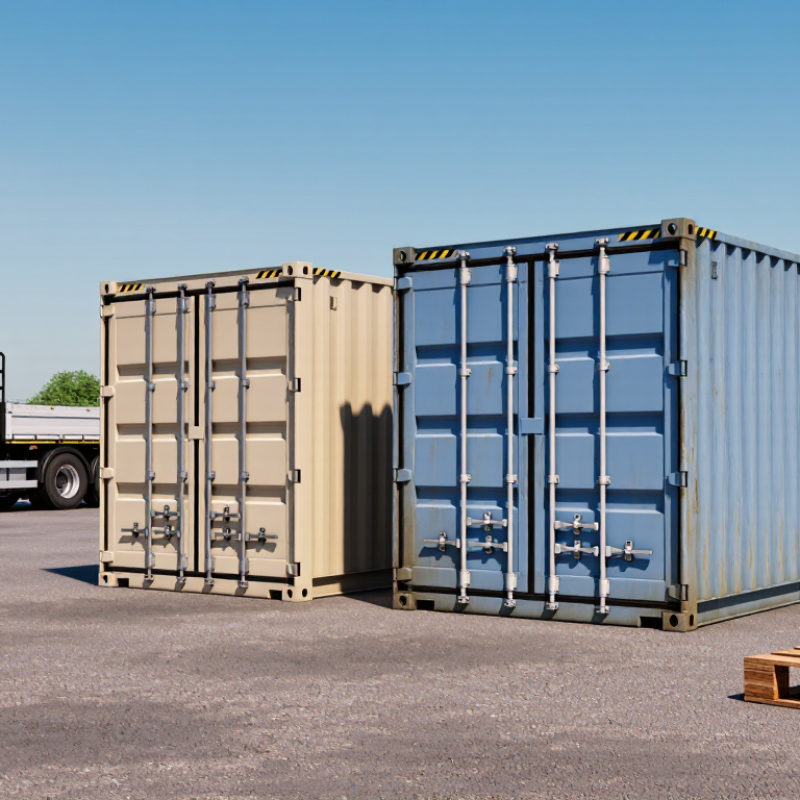
Define Your Shipping Container Needs and Intended Use
Before comparing prices, decide what the container needs to do. Will it hold garden tools, protect business inventory, or serve as a workshop? Each use calls for different space, access, and condition. A typical 20-foot container measures about 20 by 8 feet outside, but its usable interior is smaller. Measure your largest item, including handles or packaging.
Check the site as carefully as the container. Measure gate openings, turning space, overhead clearance, and the ground where it will sit. A delivery truck may need more room than expected. For frequent access, door placement matters; for bulky items, a wider opening can save frustration. Write down the essentials before browsing. Plans change.
Think about moisture, ventilation, and temperature, too. Cardboard stock may need a dry, stable space, while tools may need shelves and lighting. Ask how the unit was used, whether doors open smoothly, and whether the floor feels firm. Photos help, but they cannot reveal every smell or damp patch. An inspection is worth considering. A quick sketch can still miss something, so leave room to rethink the layout before ordering.
How to Buy a Shipping Container in 2026? - Define Your Shipping Container Needs and Intended Use
| Need or intended use | Container to consider | Typical external dimensions (L × W × H) | Typical internal dimensions (L × W × H) | What to check before buying |
|---|---|---|---|---|
| Small storage area, tools, or a compact delivery | 20-foot standard dry container | 6.06 × 2.44 × 2.59 m (20 × 8 × 8 ft 6 in) |
About 5.90 × 2.35 × 2.39 m (19 ft 4 in × 7 ft 8 in × 7 ft 10 in) |
Measure the largest item and its route through the doors. Allow room for packaging, shelving, and access inside. |
| More storage or a larger volume of general cargo | 40-foot standard dry container | 12.19 × 2.44 × 2.59 m (40 × 8 × 8 ft 6 in) |
About 12.03 × 2.35 × 2.39 m (39 ft 5 in × 7 ft 8 in × 7 ft 10 in) |
Check whether the site has enough space for delivery, placement, and door operation, not just the container footprint. |
| Bulky goods that need extra vertical clearance | 40-foot high-cube dry container | 12.19 × 2.44 × 2.90 m (40 × 8 × 9 ft 6 in) |
About 12.03 × 2.35 × 2.69 m (39 ft 5 in × 7 ft 8 in × 8 ft 10 in) |
Compare cargo height with the door opening as well as the interior height. Confirm overhead clearance along the delivery route. |
| Temperature-sensitive goods | Refrigerated container (reefer); size and configuration vary | Common formats include 20-foot and 40-foot units; verify the specific unit dimensions | Usable interior space is reduced by the refrigeration equipment and airflow requirements | Confirm the required temperature range, power supply, ventilation needs, operating condition, and current inspection status. |
| Heavy or dense cargo | Select a suitable container size and verified unit condition | Choose dimensions based on the cargo footprint and loading method | Internal dimensions alone do not determine safe cargo capacity | Check the container’s data plate for its tare, maximum gross mass, and permitted payload. Also verify road and local weight limits. |
| Fixed-site storage or a container used as a workspace | Choose a dry container size that fits the planned layout | Allow for the full exterior footprint plus delivery and access space | Plan around internal dimensions, door clearance, and any insulation or fit-out | Check ground stability, drainage, ventilation, local permissions, and whether modifications could affect structural integrity. |
Dimensions shown are typical nominal measurements for common container types; actual dimensions and payload limits vary by unit. Confirm the specific container’s measurements and data plate before purchase.
Related Posts
-

Top 10 Shipping Container Types to Purchase?
-

Top Tips for Buying Large Shipping Containers Efficiently?
-
6ft Shipping Container Best Uses and Benefits Explained?
-
2026 Top Trends for 10 Foot Storage Container Use in Various Industries?
-
What is the Cost of a 20 ft High Cube Container?
-
What is a 30ft container and how can it benefit your business?
