
Skip to content

How to Choose the Right Paper Boxes for Your Products?

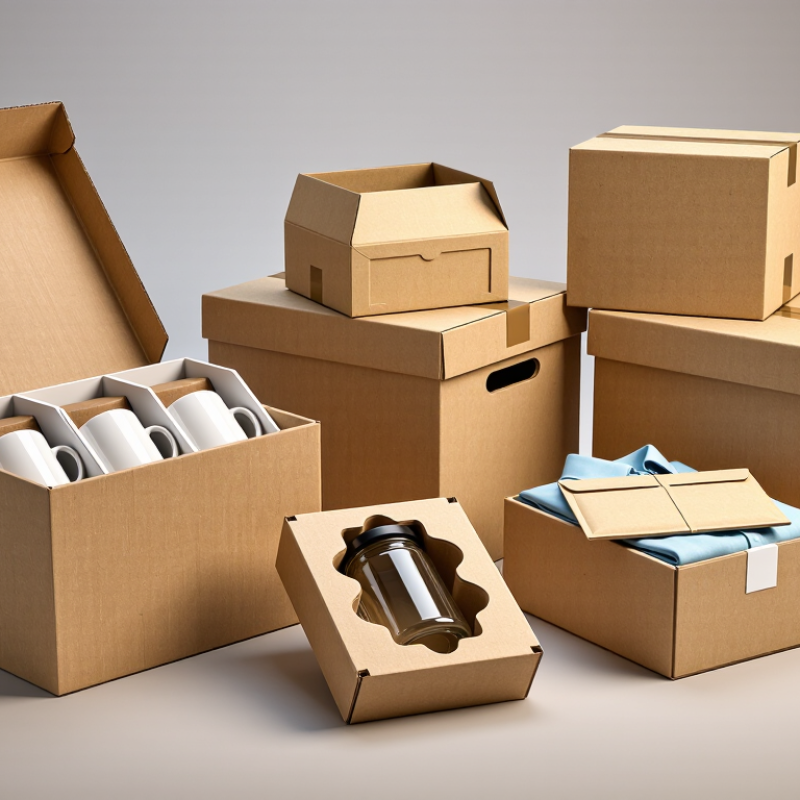
Choosing the right Paper Boxes starts with understanding what your product needs between the shelf and the customer’s hands. A glass jar, a folded shirt, and a set of ceramic mugs each place different demands on packaging. Weight, shape, fragility, and shipping distance all influence the best choice. A box that looks attractive may still leave a product shifting in transit. Fit matters.

Consider how customers will open, store, and reuse the package. Folding cartons often suit lightweight retail items, while corrugated boxes offer more cushioning for heavier or fragile products. Mailer boxes can provide a tidy unboxing experience for direct-to-customer orders. For a small candle, a snug insert can prevent movement; for a larger item, protective padding may matter more than a glossy finish. The details count.

Material and printing choices also affect cost, appearance, and performance. A heavier board is not automatically better if it adds expense without improving protection. Recycled content may support a sustainability goal, but the full package still needs to match the product and shipping conditions. There are trade-offs. A printed sample can reveal issues that a screen cannot, such as a tight closure, faint text, or scuffed corners. Test it with the actual product before ordering in volume. This guide explores box styles, materials, sizing, protection, branding, and practical checks to help you choose with confidence—and reconsider assumptions when the sample tells a different story.
How to Choose the Right Paper Boxes for Your Products?

Identify Your Product’s Size, Weight, and Protection Needs

Measure the product in its finished form, including lids, handles, and accessories. Record its length, width, and height, then allow room for any protective insert. A box that looks roomy on a screen may feel cramped once folded. A snug fit matters.

Weight affects how well a paper box holds its shape. A lightweight item may suit a simple folding carton, while a heavier product often needs stronger board, reinforced corners, or a sturdier base. Check the box with the actual product inside, not just an empty sample. Lift it, carry it, and inspect the base for bending. Small tests reveal a lot.

Protection needs depend on the product and its journey. Glass or delicate finishes may need a fitted insert or dividers to limit movement. For items exposed to damp conditions, remember that paper packaging has limits; a coating can help, but it is not a cure-all. It is easy to overpack in search of safety, then make the box bulky and costly. Reconsider what the product truly needs, and test a packed sample through ordinary handling before choosing a final size and structure.

Compare Paperboard Types and Material Strength

Paperboard choice starts with the load your box must carry. Folding carton board is smooth and easy to print, making it suitable for cosmetics, books, and other lighter products. Solid bleached board offers a clean surface, while kraft-faced board has a natural look and often hides scuffs better. Recycled board can work well for many retail uses, but its stiffness and appearance may vary by grade. Check the actual sheet, not just the label.

Thickness matters, but it is not the whole story. A heavier board can still bend if its grain direction, design, or folds are poorly matched to the box. For heavier items or shipping, corrugated board adds fluted layers that resist crushing and absorb knocks. Not just thickness. Ask for the board’s caliper and basis weight, then test a filled sample. Press the corners, stack boxes, and check whether the lid springs open.

Moisture can soften paperboard, especially during storage or transit, so consider where boxes will travel. A small bottle may sit securely in a snug carton, while a loose fit can let it rattle and weaken corners. Compression or edge-crush test results can help compare shipping options, but they do not replace a real-world trial. I would still question a specification that looks impressive on paper but has never been tested with the product inside.

How to Choose the Right Paper Boxes for Your Products?

Compare common paperboard types by typical basis weight—a useful specification, but not a direct measure of strength.

How to read this chart: Bars show illustrative commercial basis-weight ranges in grams per square metre (g/m²). Higher basis weight often means more material, but box strength also depends on board thickness, fiber quality, construction, humidity, and box design. Check the supplier’s specification and test finished boxes for your product.

Choose a Box Style That Fits Your Product and Use

A box should match the product’s shape, weight, and usual journey. A slim folding carton works well for lightweight items displayed on shelves, while a sturdy mailer can better handle parcels moving through several hands. For a fragile glass jar, consider a snug insert that limits movement without making the box difficult to open. Small details matter. A package that looks polished but lets the product rattle may need a different structure.

Think about how people will use the box, too. A tuck-end carton opens quickly for everyday products, while a hinged lid can make a gift feel more considered. If customers need to store the packaging, avoid bulky shapes and complicated closures. Leave enough room for protective material, but not so much that the contents slide around. A common mistake is choosing a box by appearance alone. I’d test a sample with the actual product, then check how easily it packs, closes, and travels. Even a sensible design can feel awkward on a real packing line, so a small trial may change the choice.

Assess Printing, Finishes, and Customization Options

When choosing paper boxes, assess print clarity on the actual board, not just on a screen. Fine text, thin lines, and pale colors can shift on textured or recycled stock. Request a press proof and check it in both daylight and warm indoor lighting. The Paper and Packaging Board’s 2018 Ipsos survey reported that 72% of U.S. consumers say packaging design influences purchase decisions. That makes readable product details and consistent color more than decoration.

Finishes should suit the product and its handling. Matte lamination can soften glare, while gloss may make colors appear brighter but show fingerprints. Foil, embossing, and spot coatings add contrast; too many effects can make a small box feel crowded. Compare samples under realistic store lighting. It is easy to overvalue a polished mock-up, and I would not judge a finish from a photograph alone. Custom options such as tuck styles, inserts, windows, and die-cut shapes should protect the item without wasting interior space. Ask the converter to confirm tolerances and test-fit a packed sample.

Tips: Approve a physical proof. Check tiny type, folds, and scuffing. Confirm color expectations, finish placement, and insert fit in writing before production.

How to Choose the Right Paper Boxes for Your Products? - Assess Printing, Finishes, and Customization Options

Box Option Typical Paperboard Printing Suitability Common Finishes Customization Options Best Suited For Selection Considerations
Folding Carton Coated or uncoated paperboard; commonly supplied flat and folded during packing. Well suited to detailed graphics and multiple spot colors. Offset printing is commonly used for larger runs; digital printing can suit shorter runs. Aqueous coating, gloss or matte varnish, lamination, foil stamping, and embossing. Die-cut windows, tuck or lock-bottom closures, inserts, custom sizing, and printed interior panels. Lightweight retail goods such as cosmetics, dry foods, stationery, and small household products. Check board stiffness, product weight, closure security, and whether the pack needs a barrier or protective inner packaging.
Corrugated Box Linerboard bonded to a fluted paper medium; flute profile and board grade affect cushioning and strength. Flexographic printing is common for shipping graphics and simpler designs. Litho-laminated or digital options can provide more detailed graphics. Printed liners, varnish, selective coating, and laminated printed sheets. Custom dimensions, dividers, inserts, hand holes, and self-locking or mailer-style structures. Shipping, subscription deliveries, heavier products, and items needing cushioning during transit. Match board strength and flute profile to product weight, shipping conditions, stacking, and required cushioning.
Rigid Paperboard Box Thick, non-collapsible paperboard, usually wrapped with printed or decorative paper. The wrap can support high-quality offset or digital graphics, depending on run size and design requirements. Textured paper, soft-touch or gloss lamination, foil stamping, embossing, and debossing. Lids, magnetic closures, shoulder boxes, fitted inserts, and fabric or paper pull tabs. Gift sets, premium electronics, keepsakes, and products where presentation and reuse are priorities. Typically takes more material and storage space than a folding carton; confirm the added protection and presentation justify the cost.
Kraft Paper Box Brown or bleached kraft paperboard; available in folding-carton and corrugated constructions. One- or two-color printing is a common choice. Full-color printing is possible, but the brown substrate can affect color appearance. Usually left uncoated for a natural appearance; water-based coatings and labels can be added where needed. Custom dimensions, stamped or printed graphics, die-cut openings, and simple inserts. Takeaway goods, dry products, handmade items, and packaging with a natural visual style. Confirm the required print contrast and check whether coatings, inks, adhesives, and other components meet applicable packaging requirements.
Window Box Folding paperboard with a die-cut opening; a clear film may be added when product visibility is needed. Supports standard carton printing, with graphics arranged to frame the window and keep key product details visible. Varnish or lamination on printed areas; window film is a separate material component. Window shape and size, film choice, internal trays, hanging tabs, and custom closure styles. Products that benefit from visibility, including confectionery, toys, accessories, and some personal-care goods. Keep the opening clear of important structural areas and test whether the window provides adequate dust, moisture, or tamper protection.
Mailer Box Often made from corrugated board or sturdy paperboard with an integrated folding closure. Flexographic, digital, or litho-laminated printing can be selected according to design complexity and production quantity. Printed exterior or interior panels, varnish, and selected laminated finishes. Tear strips, locking tabs, inserts, dividers, custom compartments, and branded interior printing. E-commerce orders, subscription kits, samples, and products shipped directly to customers. Test the packed box for fit, closure strength, and transit protection; avoid excess empty space that can increase shipping volume.

Specifications vary by supplier, board grade, box dimensions, print method, and order quantity. Request a physical sample and confirm material, finish, and performance requirements before production.

Compare Sustainability, Cost, and Supplier Quality

Choosing paper boxes starts with the product’s actual needs: weight, fragility, storage conditions, and shipping distance. A lightweight box may use less material, but weak corners can lead to crushed goods and costly replacements. Ask suppliers about recycled content, fiber sourcing, and coatings. A paper box is not automatically recyclable everywhere; plastic linings and local collection rules can change that.

Compare total cost, not just the quoted price per box. Include printing setup, minimum order quantities, storage space, freight, and damage rates. A slightly more expensive box may protect products better and reduce returns.

Small details matter. Request physical samples, then test them with your product inside. Check seams, folding accuracy, and how the box handles moisture during ordinary storage.

Supplier quality should be consistent across repeat orders, not just impressive in one sample. Ask for written specifications, production timelines, and a clear process for handling defects.

One awkward point: suppliers may not measure quality in the same way, so confirm tolerances before ordering. Recheck your assumptions after a trial run; the first choice may need adjustment.

Article Source:

Call free on
0800 1954 538