Skip to content

Why is the Cost of a 40ft Shipping Container So High?

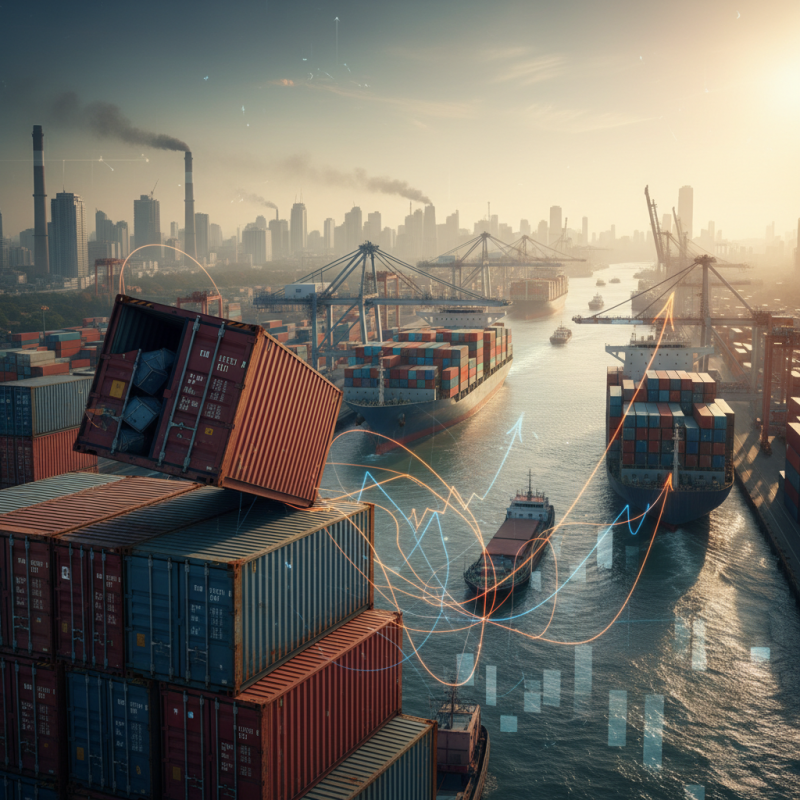
The shipping industry is facing unprecedented challenges in recent years. One of the most pressing issues is the rising cost of 40ft shipping containers. According to the Freightos Baltic Index, the average price for leasing a 40ft container surged over 300% during the peak of the pandemic. This staggering increase has not gone unnoticed by industry experts. Michael O’Leary, a logistics consultant with over 20 years of experience, commented, “The cost of a 40ft shipping container reflects not just supply and demand, but a tangled web of global economic factors.”

The persistent inflation and disruption in supply chains have intensified this problem. Container availability is limited, and shipping routes are congested. The World Bank reported that logistics costs have climbed significantly, contributing further to container prices. This situation presents a complex landscape for both businesses and consumers alike. Many companies struggle to adapt, highlighting the need for strategic planning and resource allocation in logistics.

Despite seemingly insurmountable challenges, there is room for innovation and reflection within the industry. Understanding the factors affecting the cost of a 40ft shipping container is essential. Yet, it is crucial not to lose sight of the broader economic implications. Reevaluating shipping practices could lead to a more sustainable and efficient future for global trade.
Why is the Cost of a 40ft Shipping Container So High?

Factors Influencing the Price of 40ft Shipping Containers

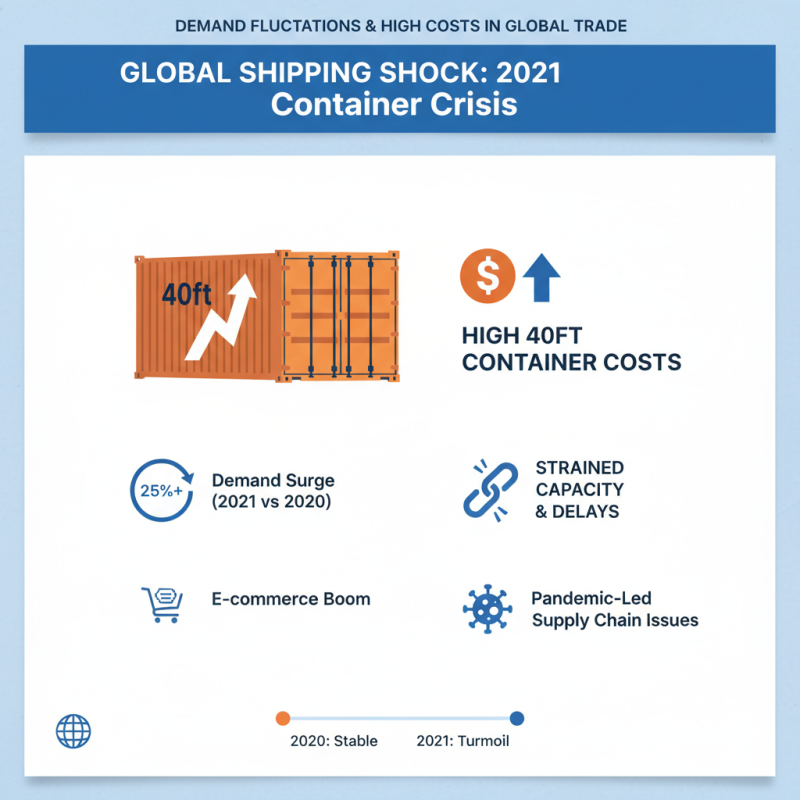
The price of a 40ft shipping container has seen significant fluctuations recently. Several factors drive these changes. Global demand for shipping containers increased by over 30% in the past two years, creating pressures on supply. This surge is attributed to e-commerce growth, which has transformed logistics. More companies are relying on containers, pushing prices up.

Additionally, raw material costs contribute to price hikes. Steel prices surged by 40% in 2021 due to increased production costs and supply chain disruptions. This increase directly affects the manufacturing cost of containers. Transportation challenges further inflate prices. Delays at ports and shipping bottlenecks have become common. These logistical issues can double shipping costs, impacting container prices.

Market volatility also plays a role. In 2021, container shortages led to prices reaching an astonishing average of $6,000 per unit. Such spikes highlight the unpredictability of global markets. Factors like geopolitical tensions and fuel price increases add uncertainty, leading to hesitancy in long-term investments. Buyers must navigate these complex dynamics when considering the purchase of 40ft containers.
Factors Influencing the Price of 40ft Shipping Containers

Global Supply Chain Disruptions and Their Impact on Container Costs

The global supply chain has faced unprecedented disruptions in recent years. These disruptions significantly impact the cost of shipping containers. For instance, port closures and labor shortages have resulted in delays. Each delay contributes to increased costs for shipping companies.

Container shipping relies heavily on a balanced supply and demand. When demand surges, like during holiday seasons, available containers dwindle. Many ports struggle with congestion. These issues trickle down, raising prices for consumers and businesses alike.

Additionally, transportation and logistics have been challenged by geopolitical tensions. Fuel prices fluctuate, further complicating shipping costs. These factors create a ripple effect across industries. As companies scramble for available containers, pricing can soar unexpectedly. Such volatility is crucial for businesses to navigate, highlighting the need for adaptability in this evolving market.

Material and Manufacturing Expenses Affecting Container Pricing

Shipping containers, particularly the 40ft variant, have seen a significant price increase. This rise is primarily driven by the costs of materials and manufacturing. Steel and other raw materials have escalated in price. Additionally, labor shortages and production delays in manufacturing facilities contribute to the overall expenses.

It's crucial to consider how these factors intertwine. When raw material prices spike, manufacturers pass those costs onto consumers. Labor costs also rise due to inflation, affecting pricing. Supply chain disruptions further complicate the situation, making it challenging to keep container prices stable.

Tip: To better navigate changing prices, consider purchasing containers during off-peak seasons. Maintaining flexibility can help you secure better deals.

The global demand for shipping containers continues to rise, too. When demand outstrips supply, prices will inevitably increase further. Finding cost-effective solutions requires constant research and attention to market shifts.

Tip: Always compare multiple suppliers to find the best price. Researching local vs. international options can yield surprising results. Remember, staying informed is key to making sound financial decisions.

Demand Fluctuations in International Trade and Shipping Industry

Why is the Cost of a 40ft Shipping Container So High?

The fluctuations in demand within the international trade and shipping industry play a crucial role in driving the high costs of a 40ft shipping container. Recent reports indicate that demand surged by over 25% in 2021 compared to the previous year, largely driven by e-commerce growth. This unexpected spike strained shipping capacities. Additionally, the pandemic complicated supply chains, leading to significant delays and rising shipping rates.

In contrast, certain periods see a sharp decline in demand. During the early months of 2022, for instance, the demand fell as economies adjusted post-lockdown. This inconsistency impacts pricing strategies, as shipping companies must adapt quickly to evolving market conditions. The Container Availability Index showed a dramatic change from 95% availability to less than 70% in just months. Such variations are evidence of an unstable shipping environment.

Moreover, geopolitical events also influence demand fluctuations. Trade tensions and regulatory changes can create unexpected surges or drops. These factors emphasize the unpredictable nature of the shipping industry. Understanding these dynamics is essential for businesses to navigate costs effectively.

Regulatory and Environmental Considerations in Container Production

The cost of producing a 40ft shipping container has risen due to several regulatory and environmental factors. Manufacturers must now adhere to stricter standards, which aim to reduce emissions and promote sustainability. These regulations often require advanced materials and techniques, which can increase production costs significantly.

Sourcing sustainable materials can be challenging. Steel, a primary component of containers, has fluctuating prices. Environmental legislation pushes companies to consider lifecycle assessments. This is not just about production; it includes recycling and waste management. Companies must invest more time and resources.

Many manufacturers grapple with how to balance compliance with cost efficiency. Some smaller players struggle to keep up with these requirements. It may lead to a lack of competitiveness. In contrast, large companies can absorb these costs but may still face criticism for their overall environmental impact. The journey toward sustainability in container production is complex and far from perfect.

Why is the Cost of a 40ft Shipping Container So High? - Regulatory and Environmental Considerations in Container Production

Cost Factor Description Estimated Cost Impact (USD)
Raw Materials Steel prices and quality standards $1,000
Regulatory Compliance Costs associated with meeting safety and environmental regulations $500
Labor Costs Wages for workers involved in manufacturing $700
Environmental Considerations Costs of implementing eco-friendly practices $300
Shipping & Logistics Transportation of materials and finished containers $800
Maintenance & Warranty Costs involved in providing after-sales service $200
Total Estimated Cost Increase $3,500
Call free on
0800 1954 538