Skip to content

10 Essential Tips for Choosing the Right Large Shipping Container

Choosing the right large shipping container can be a daunting task. With numerous options available, making an informed decision is crucial. Industry expert Jane Roberts, a logistics manager with over a decade of experience, states, “Selecting the right container can save you time and money.” Her insights serve as a guide for anyone in the market.

When considering a large shipping container, factors such as size, condition, and purpose come into play. A well-chosen container fits your needs perfectly and ensures efficient transport. But not all containers are created equal. Many buyers overlook essential elements, leading to regrets later.

It's important to visualize how the container will be used. Will it hold fragile items or bulky equipment? Each scenario demands a different approach. Reflecting on these questions helps narrow down the options. In the end, ensuring that your large shipping container meets your specific requirements can lead to long-term satisfaction.

10 Essential Tips for Choosing the Right Large Shipping Container

Understanding Different Types of Large Shipping Containers

When selecting a large shipping container, it’s crucial to understand the various types available. Each type serves a specific purpose and has its unique features. Standard containers are versatile and commonly used for general cargo. They typically offer a height of 8.5 feet, suitable for many shipping needs. However, not all goods fit easily into this dimension.

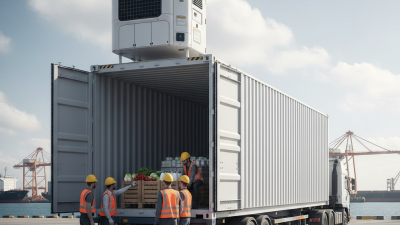
High-cube containers offer extra height, measuring up to 9.5 feet. This extra space can be a game-changer for bulky items. On the other hand, refrigerated containers, or reefers, maintain optimal temperatures for perishable goods. These containers require a reliable power source, which may complicate usage in some locations. Depending on the contents, a user may overlook the importance of insulation and ventilation.

Additionally, open-top containers are ideal for tall cargo that can't fit into standard containers. However, they leave items exposed to elements. This could lead to potential damage. Users need to reflect on the trade-offs of choosing one type over another. Assessing specific cargo requirements can lead to better decisions. Each option has advantages and challenges; understanding them deeply is key to making a sound choice.
Shipping Container Types Comparison

This chart compares the usage frequency of different types of large shipping containers, illustrating how common each type is in the shipping industry.

Assessing Container Dimensions for Your Shipping Needs

When assessing container dimensions, the primary focus should be on your specific shipping needs. Different projects require different sizes. For example, a standard 20-foot container holds about 1,170 cubic feet of cargo. But what if your cargo is oversized or unusually shaped? In such cases, a larger 40-foot container might be the answer. However, evaluate the extra space carefully. You don’t want to pay for unneeded room.

Think about the weight capacity as well. A typical large shipping container can hold up to 60,000 pounds. This limit is crucial if your goods are heavy. Yet, some containers may not support that weight evenly, leading to potential issues during transit. It’s not only about length and width; height matters too. An extra foot can make a difference in accommodating tall items.

Remember the access points too. Some containers have side doors, while others only open at one end. This can affect how you load and unload your cargo. If you’re unsure, consult with shipping experts. Their feedback can offer valuable insights. Don’t overlook your container's stability either. High winds or rough seas can shift cargo if not packed correctly. Thoughtful planning now can save headaches later.

10 Essential Tips for Choosing the Right Large Shipping Container - Assessing Container Dimensions for Your Shipping Needs

Container Size External Dimensions (L x W x H) Internal Dimensions (L x W x H) Maximum Payload (kg) Typical Use Case
20ft Standard 20' x 8' x 8.5' 19.4' x 7.7' x 7.9' 22,000 kg General Cargo
40ft Standard 40' x 8' x 8.5' 39.5' x 7.7' x 7.9' 30,480 kg General Cargo
40ft High Cube 40' x 8' x 9.5' 39.5' x 7.7' x 8.9' 30,480 kg Bulk cargo, high-volume goods
45ft High Cube 45' x 8' x 9.5' 44.5' x 7.7' x 8.9' 30,480 kg High-volume goods, machinery
20ft Refrigerated 20' x 8' x 8.5' 19.4' x 7.7' x 7.9' 20,000 kg Perishable goods

Evaluating Material Durability and Weather Resistance

When choosing a large shipping container, evaluating material durability and weather resistance is crucial. Steel and aluminum are common materials. According to industry reports, steel containers can withstand harsh conditions better due to their strength. A standard Corten steel container can resist corrosion for up to 25 years, making it a solid choice for long-term use.

Weather resistance is another vital consideration. Containers exposed to severe weather need proper sealing. Many reports suggest that containers with good insulation last longer against extreme temperatures. However, some containers may show signs of wear in high humidity or heavy rainfall. Regular inspections help identify these issues early.

Beyond durability, it’s essential to assess potential damage. Dents and scratches may weaken the container's integrity over time. A study found that containers with untreated rust could lose their protective qualities within a couple of years. Therefore, it's important to weigh the pros and cons of different materials in varying environments.

Considering Transportation and Handling Requirements

10 Essential Tips for Choosing the Right Large Shipping Container

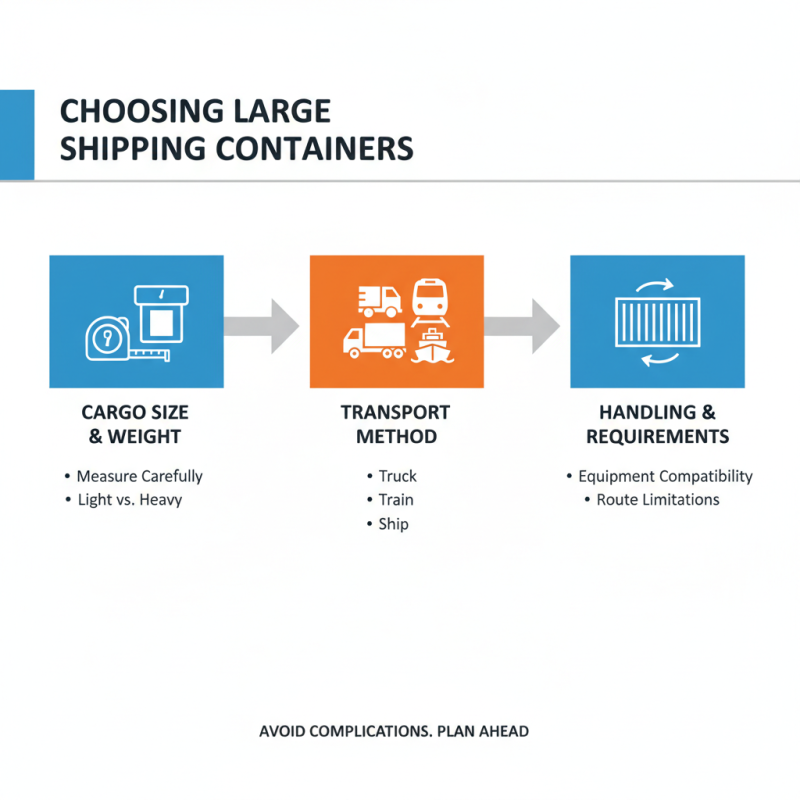
When choosing a large shipping container, transportation and handling requirements play a crucial role. You need to consider the container's size and weight. Measure your cargo carefully. Is it lightweight or heavy? A wrong assumption can lead to complications later. Understand the transport method you'll use. Will it be by truck, train, or ship? Each mode has specific requirements that may affect your decision.

Another aspect to reflect on is the loading and unloading capabilities. Some containers are difficult to maneuver in tight spaces. Think about the location where you’ll be placing the container. Is there enough room for equipment? Or will manual handling be necessary? This could impact your overall costs, so plan accordingly. Also, ensure that you check the container's condition. Hidden damages can affect how well it handles during transport. A diligent inspection is essential. It’s not just about how it looks but also whether it meets your needs effectively. Consider these factors carefully to ensure a smooth shipping experience.

Budgeting for Purchase and Maintenance Costs

10 Essential Tips for Choosing the Right Large Shipping Container

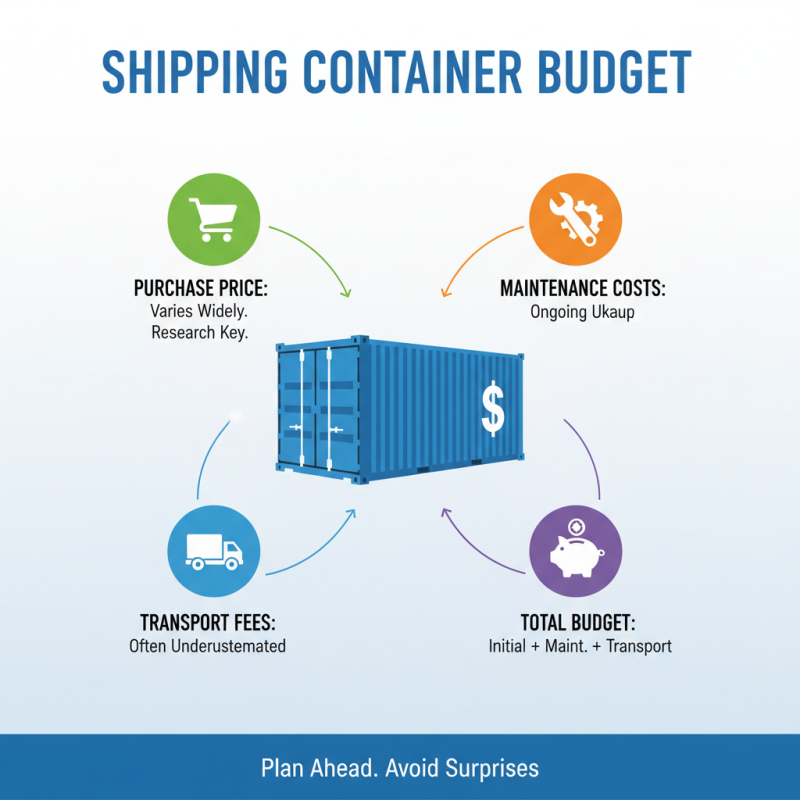
When budgeting for a large shipping container, consider both purchase and maintenance costs. Prices can vary widely, so research is key. Initial costs should align with your budget. Don't forget to factor in transportation fees. Sometimes these can be more than you expect.

Maintenance is another important aspect. Regular inspections may prevent costly repairs in the future. Pay attention to rust or dents. Small issues can escalate if ignored. Create a maintenance schedule. It helps in tracking any necessary upkeep. Set aside a budget for these ongoing costs.

You might also need additional customization, like insulation or climate control. These upgrades can increase your initial outlay. However, they can offer better protection for your items. Always weigh the cost against the benefits. Ensure the container meets your specific needs to avoid overspending.

Call free on
0800 1954 538