Choosing the right 10ft shipping container is crucial for businesses and individuals alike. As the demand for versatile storage solutions increases, understanding key factors becomes essential. Industry experts point out that the global shipping container market is projected to reach $9.6 billion by 2026, driven by e-commerce and logistics growth. Richard Thompson, a renowned expert in storage solutions, emphasizes, "Selecting the right container can significantly impact efficiency and cost."
When evaluating a 10ft shipping container, it is important to consider the quality and condition. A poorly maintained container may lead to additional costs in repairs or replacements. Various types, such as standard and high-cube containers, serve different purposes. Your needs dictate which one is most suitable. Understanding specific requirements ahead of time helps prevent costly mistakes in the long run.
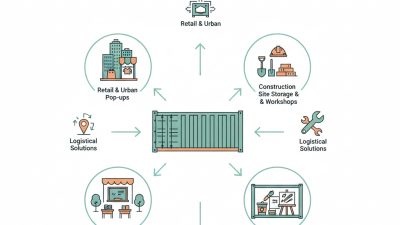
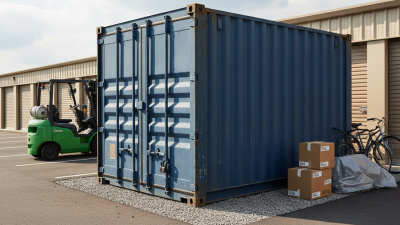
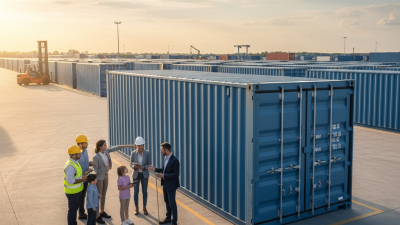
Furthermore, the intended use of the container shapes your selection process. Will it be for shipping goods, onsite storage, or a pop-up shop? Each scenario has unique demands. Experts recommend conducting thorough research on container suppliers. Always verify their reliability and read customer feedback to ensure a trustworthy transaction. In the end, investing time in this decision yields significant benefits.

Choosing the right 10ft shipping container involves several key factors. First, consider the container's condition. New containers are often more expensive, but they offer durability. Used containers can be a more economical choice, yet they may require repairs. Inspect the container to assess any potential damage, rust, or leaks.
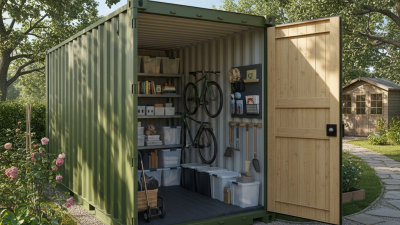
Another important factor is the container type. Standard containers vary in design and features. For example, refrigerated containers maintain specific temperatures. If you need storage for perishables, this may be essential. Furthermore, think about your specific storage requirements. Evaluate what items you plan to store and measure the available space.
Lastly, location and delivery are crucial considerations. Ensure that the container can be easily transported to your desired location. Delivery logistics can significantly affect your decision. Pricing may vary based on how far the container needs to travel. Reflect on whether you might need additional services, such as modifications or painting. Investing time in these details can help avoid future regrets.
When choosing the right 10ft shipping container, it's essential to understand the different types available. The most common types are dry containers, refrigerated containers, and open-top containers. Each type serves unique purposes. For instance, dry containers are ideal for general cargo, while refrigerated containers are necessary for perishable goods. This variety allows businesses to select the best fit for their specific needs.
According to industry reports, around 40% of global shipping involves containers that are 10ft in size. This smaller container option is increasingly popular due to its versatility. Easy to manage and transport, it is a preferred choice for smaller shipments. However, it's crucial to evaluate the condition of these containers. Many used ones show wear and tear. It’s essential to inspect them thoroughly to avoid potential issues.
Additionally, while considering pricing, variations can occur. Factors include the container's condition and type. New containers cost more but offer long-lasting solutions. Used containers are budget-friendly but may require more maintenance. This aspect often leads to unexpected expenses. Understanding these factors can help make an informed choice.
When selecting a 10ft shipping container, evaluating its condition and maintenance history is crucial. Look for visible signs of wear and tear. Rust, dents, and structural issues can indicate poor maintenance. A well-kept container should show minimal external damage. Pay attention to the corners and doors, as these areas are prone to deterioration.
Request the maintenance records from the seller. Knowing the container's history can shed light on any previous repairs or issues. Check if it has undergone routine inspections. A container with a consistent maintenance record is often a safer choice.
Inspect the interior closely. Signs of water damage or mold can signal neglect. Even minor rust spots might point to bigger problems. Touch the walls and floor; they should feel sturdy. Be aware that saving on an older container may lead to future costs. It's essential to ensure the container can serve its purpose without unexpected expenses.
| Criteria | Description | Importance Level |
|---|---|---|
| Exterior Condition | Check for rust, dents, and overall structural integrity. | High |
| Interior Condition | Inspect for any signs of damage or contamination inside. | High |
| Maintenance History | Check records of repairs and maintenance performed. | Medium |
| Age of the Container | Newer containers typically have fewer issues. | Medium |
| Certifications | Verify if the container has safety and transport certification. | High |
| Type of Container | Choose from standard, refrigerated, or specialty containers based on needs. | High |
| Price Comparison | Compare prices from different suppliers to ensure value for money. | Medium |
| Delivery Options | Check for available delivery and pickup options. | Low |
| Reputation of Seller | Research seller reviews and customer feedback. | High |
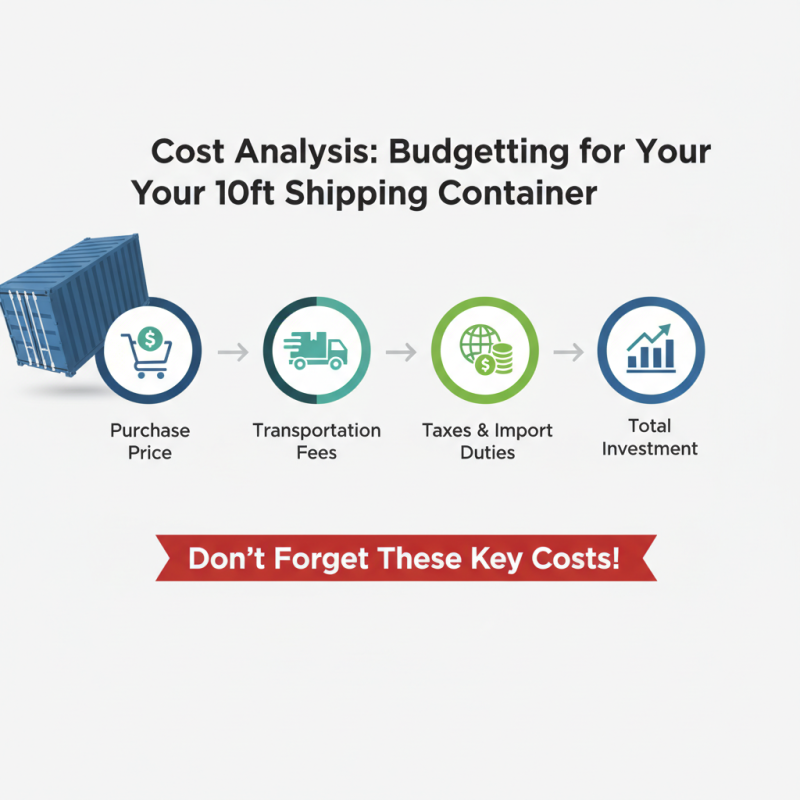
When budgeting for your 10ft shipping container, understand all potential costs. The initial purchase price is just the start. There are transportation fees, which can vary widely based on distance. Don’t forget taxes and any import duties if applicable. Each of these elements can significantly affect your budget.
Consider additional modifications you might want. Basic containers may need insulation, ventilation, or shelving for optimal use. These upgrades can add thousands to your total. It’s essential to have a clear vision of your needs before investing. Often, buyers overlook long-term costs, such as maintenance and repairs. A used container may seem cheaper upfront, but it often requires more upkeep.
Think about your financing options too. Some buyers pay cash, while others may seek loans. Interest rates can impact your overall budget. Reflect on what is feasible for your financial situation. Ensure that the container's purpose aligns with your budget. This reflection can safeguard you from making impulsive decisions.
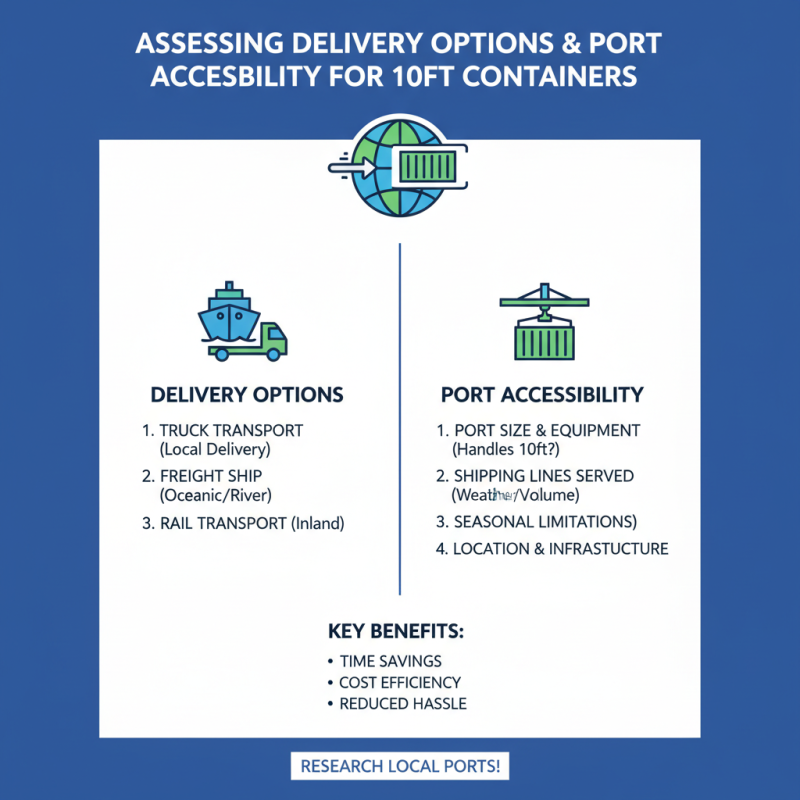
When considering delivery options for a 10ft shipping container, understanding your local port’s accessibility is crucial. Not all ports handle containers the same way, and some may have limitations. Research local ports to see which ones efficiently manage 10ft containers. Accessibility can vary based on location, shipping lines, and even time of year. A highly accessible port saves both time and money.
Assessing delivery options means looking beyond just the port. Shipping timelines can be unreliable. You need to consider how weather and logistics can delay your container’s arrival. Have backup plans in place. Understanding potential delays helps you stay prepared. Also, consider the cost of delivery. Cheaper options may compromise service quality. Don't forget to verify the shipping company’s reputation. Reliability matters in choosing the right delivery option. Too often, people overlook these details and face unexpected challenges. A proactive approach can lead to a smoother shipping experience.