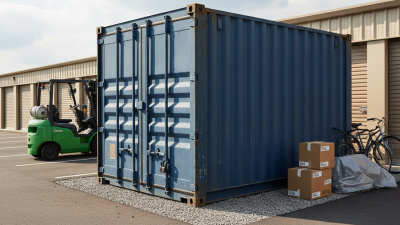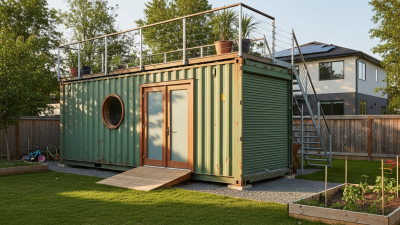
When considering a 20ft container, it’s vital to understand its specifications. A recent report by Container Market Insights highlights that the demand for 20ft containers continues to rise by 4% annually. This uptick reflects their versatility in shipping and storage applications. Alex Green, an industry expert from Global Container Solutions, emphasizes, “Choosing the right container directly affects operational efficiency.”
Different businesses require different configurations. Some might prioritize insulation for perishables, while others may need heightened security features for valuable goods. The variety within the 20ft container category can be overwhelming. Buyers must balance their specific needs against potential limitations. Many overlook critical factors during their decision-making process, leading to dissatisfaction.
Understanding your purpose is crucial. Will it be for a one-time shipment or long-term storage? Each choice has ramifications on cost and functionality. Moreover, the image of a standard container can be misleading. Before finalizing, thorough research and evaluation of practical needs are essential. Investing time in choosing wisely can save trouble in the future.
When selecting a 20ft container, several factors deserve close attention. One crucial aspect is the container's condition.
New containers are often more secure and durable. However, used containers can offer significant cost savings.
Reports suggest that used containers can save buyers up to 40% compared to new ones. Yet, wear and tear may lead to hidden issues.
Another factor is intended use. A container for storage requires different specifications than one for shipping.
For instance, temperature-controlled containers are essential for perishable goods.
According to industry studies, nearly 25% of fresh produce loses value during transit due to inadequate container conditions.
Space availability at the delivery site is also essential. Many buyers underestimate the space needed for maneuvering.
A 20ft container requires more room than its ocean dimensions suggest.
Poor space planning can lead to increased costs or logistical issues.
Reflecting on these considerations can help in making an informed choice.
When selecting a 20ft container, it’s essential to understand the various types available. A standard dry container is the most common choice. It features a solid structure, designed to protect your items from the elements. This type is suitable for general cargo, but it may not be ideal for heavy machinery or temperature-sensitive goods.
Another option is the refrigerated container, also known as a reefer. This type maintains a specific temperature and humidity level. It’s perfect for transporting perishable items like fruits, vegetables, or pharmaceuticals. However, these containers can be more expensive to operate. Users must weigh the cost against the need for temperature control.
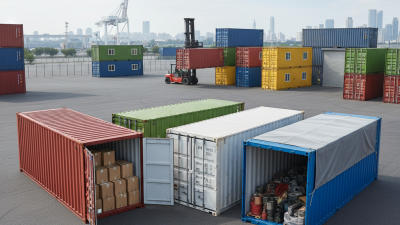
There are also open-top containers, ideal for bulky items. They allow easy loading from above. Yet, they lack the weather protection of other types. Using an open-top container requires careful consideration. Think about the impact of exposure to the elements. Each container type has its own advantages and drawbacks. Balancing these factors is crucial to make the right choice.
| Tip Number | Tip Description | Container Type | Ideal Use Cases |
|---|---|---|---|
| 1 | Determine your storage needs. | Standard Container | General storage of goods. |
| 2 | Consider the weight of your cargo. | High Cube Container | Lighter but bulkier items. |
| 3 | Assess the climate conditions. | Refrigerated Container | Perishable goods. |
| 4 | Check for ventilation needs. | Ventilated Container | Items needing airflow. |
| 5 | Consider the duration of storage. | Open-top Container | Oversized cargo. |
| 6 | Calculate your budget. | Flat Rack Container | Heavy machinery transport. |
| 7 | Examine accessibility and loading options. | Side Door Container | Easier loading of packages. |
| 8 | Confirm the container's condition. | Used Container | Cost-effective storage. |
| 9 | Check for security features. | Secure Container | High-value items. |
| 10 | Evaluate transportation options. | Custom Container | Specifically designed cargo. |
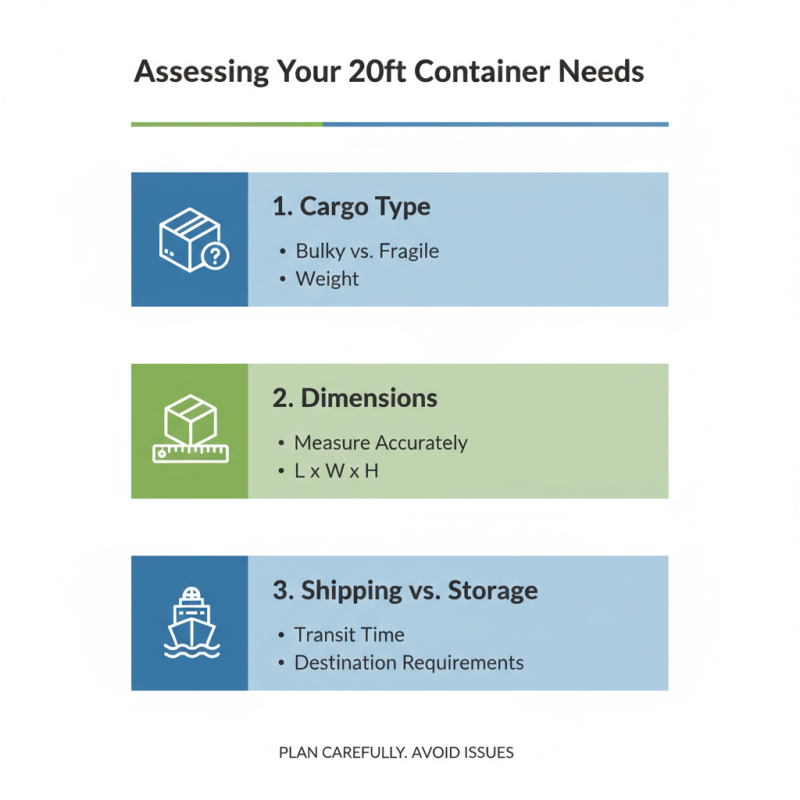
Choosing the right 20ft container requires careful consideration of your storage and shipping needs. Begin by assessing what you plan to store or ship. Will it be bulky items or fragile ones? Determine the dimensions of your cargo. Measure everything accurately. If you underestimate, you may face issues later.
Think about the environment in which the container will be used. Will it be exposed to extreme weather? Containers come with different features. Some are insulated, while others are not. Each option has its strengths and weaknesses. Consider your budget too. A more expensive container may offer better protection, but it might stretch your finances.
Reflect on your future needs as well. Will your business scale? Can you visualize how your activities might change in six months or a year? It’s crucial to choose wisely. A poor choice could lead to frustration or excessive costs. Aim for a balance between your current demands and future possibilities.
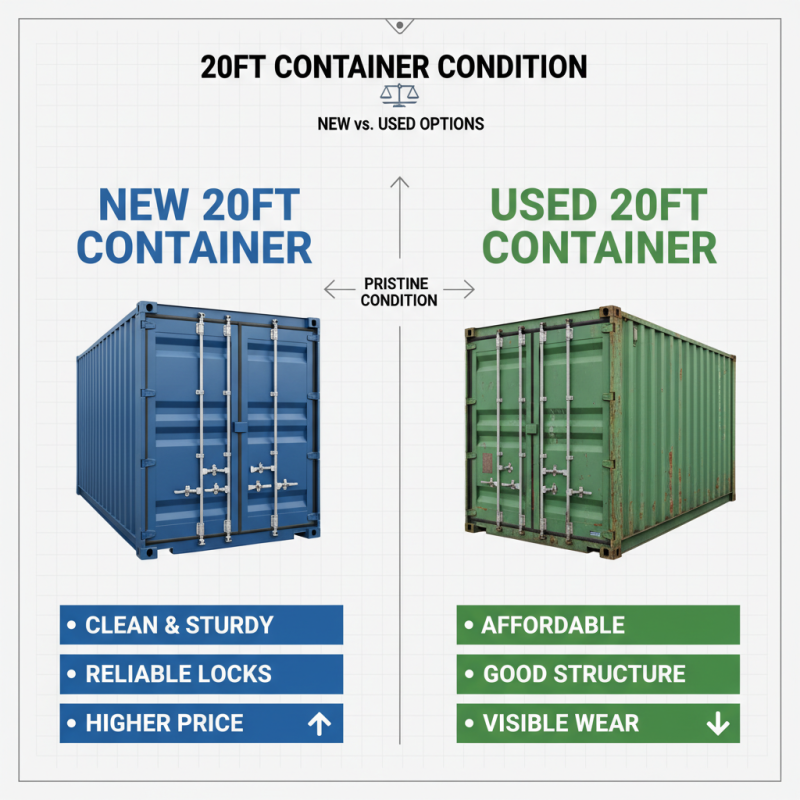
When considering a 20ft container, the condition is crucial. You typically face two choices: new or used. New containers are often clean and sturdy. They have a fresh exterior and reliable locking systems. However, they come with a higher price tag. Used containers can be more affordable. Many still have good structural integrity and can serve your needs well.
It’s essential to inspect the used containers closely. Look for rust, dents, or any signs of damage. A well-maintained used container can be just as effective as a new one. Yet, not every used option is a gem. Some may hide issues that only appear later. Pay attention to the condition of the doors and seals. This can prevent future headaches.
Your choice may also depend on your purpose. Are you storing goods or using the container for transport? The level of wear might matter more in either case. In some instances, the external look may seem unimportant. However, internal conditions must be first-rate to protect your items. Evaluate your priorities carefully before making a decision. That will guide you toward the right container for your needs.
When budgeting for a 20ft container, start by assessing your needs. Are you purchasing or renting? Each option has different financial implications. Consider how long you'll need the container. If you rent, short-term leases can appear cheaper but may add up quickly. A purchase may seem daunting, but it could save money in the long run.
Next, include additional costs in your budget. Delivery fees can vary significantly based on distance. Consider whether you need modifications, like insulation or shelving. These add-ons can enhance functionality. However, they can also strain your budget. Be cautious about choosing too many upgrades; it can divert you from your initial spending plan.
Lastly, think about maintenance and potential repairs. Containers need care to last. Scratches and rust can lead to bigger issues if ignored. Always leave room in your budget for unexpected expenses. Planning ahead will help you make a wise choice that meets your needs without overspending.
This bar chart illustrates the average costs associated with purchasing versus renting a 20ft container. It helps potential buyers and renters to make informed decisions based on budget considerations.