Skip to content

Top 10 Shipping Container Types to Purchase?

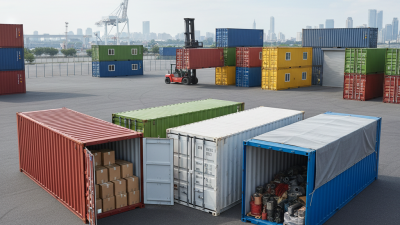
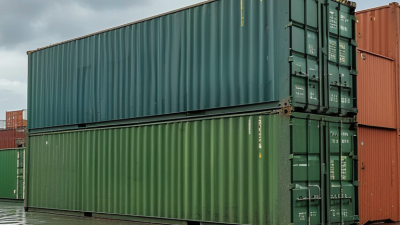
Choosing the right container begins with understanding its intended use, condition, and location. This guide explores the top 10 shipping container types to purchase for storage, transport, construction, and commercial projects. Each type offers different dimensions, door arrangements, materials, and ventilation options. A standard 20-foot container may suit a compact site, while a 40-foot high-cube model provides additional height for bulky equipment.

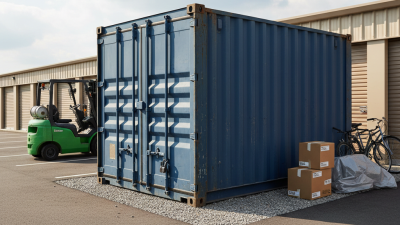
Practical experience matters when comparing containers. A used unit can show surface rust, faded markings, repaired flooring, or uneven doors. These details may seem minor, but they can affect security, weather resistance, and future maintenance. Inspect the roof, corner posts, locking bars, seals, and underside carefully. Ask for clear photographs, inspection records, and delivery terms from a reputable supplier. Small details matter.

The list also considers refrigerated containers, open-top models, side-opening units, flat racks, and specialized options. Their value depends on cargo size, temperature requirements, access needs, and site limitations. However, product names alone do not guarantee suitability. Measurements can vary slightly, and local delivery access is often overlooked. I have seen buyers focus on purchase price, then discover that a narrow gate prevents delivery. That mistake is avoidable, though not always obvious. Before making a decision, compare total costs, including transport, placement, modifications, maintenance, and permits. Reliable planning creates better results than choosing the cheapest available unit.

Top 10 Shipping Container Types to Purchase?

Understanding Shipping Container Categories and Their Common Uses

Choosing among the top 10 shipping container types starts with the cargo, not the price.

Standard dry vans suit boxed goods and general storage. High-cube units provide extra headroom for bulky items. Refrigerated containers protect food, medicine, and temperature-sensitive materials. Open-top designs handle machinery loaded by crane, while flat racks support oversized equipment. Tank containers carry approved liquids under strict technical controls. Ventilated and insulated units serve produce or heat-sensitive cargo. Side-door containers improve access, and half-height units suit dense materials.

Demand remains substantial.

UNCTAD’s Review of Maritime Transport 2024 reported global seaborne trade reached about 12.3 billion tonnes in 2023. That scale explains why container categories keep expanding beyond the standard box. However, a container’s condition matters as much as its category. Check floor strength, door seals, corner castings, corrosion, and inspection records. A clean exterior can hide moisture damage. I have seen buyers focus on paint and overlook warped doors.

Tips:

Match internal dimensions with your loading method. Measure pallets, forklifts, and turning space first. Confirm ventilation and temperature requirements before purchase.

For refrigerated units, request compressor history and a recent temperature test.

Verify the unit’s identification plate, structural condition, and compliance documents. Local transport limits may affect usable size.

The cheapest option may become expensive after repairs, delivery, and site preparation. Perfect choices are rare. Careful checking wins.

Comparing the Top 10 Shipping Container Types for Purchase

Comparing the Top 10 Shipping Container Types for Purchase

A practical comparison starts with cargo, site access, and local weather. Standard dry containers suit boxed goods, tools, and general storage at the lowest entry cost. High-cube units add about one foot of internal height, helping with tall shelving or bulky equipment. However, extra height can complicate transport and placement.

Refrigerated containers protect temperature-sensitive cargo, but compressors require power and regular servicing. Insulated containers reduce temperature changes without active cooling, although they cannot replace refrigeration. Open-top containers support cranes loading stone, machinery, or timber. Their removable roof is useful, but weather protection becomes weaker.

Flat-rack containers handle oversized machinery from the sides or ends. They need careful securing and stronger lifting plans. That detail is often underestimated.

Side-door containers improve access across the full long wall, making frequent stock movement easier. Double-door containers allow loading from both ends, but their extra hardware creates more inspection points. Tank containers carry approved liquids and require certified equipment, trained handling, and documented compliance. Half-height containers work well for dense materials, especially where a lower center of gravity matters. Yet their smaller volume may reduce flexibility.

Inspect door seals, floor damage, corner posts, ventilation, and repair records before purchase. Ask for recent photographs and a clear condition report.

I would not choose a refrigerated unit for simple storage unless power costs are acceptable. The cheapest container can become expensive after transport, repairs, paint, and site preparation. Availability also changes by region, so the “best” type is not always the easiest to source.

Evaluating Size, Condition, Materials, and Specialized Features

Top 10 Shipping Container Types to Purchase?

Choosing a shipping container starts with size, not appearance. A 20-foot dry container suits compact storage and easier site access. A 40-foot unit offers more capacity, while a high-cube model provides extra interior height. UNCTAD’s Review of Maritime Transport 2024 reported 2.4% growth in global seaborne trade during 2023. That growth supports continued demand for standard equipment, but availability does not guarantee good condition.

Drewry’s Container Census 2024 estimated the global container fleet at 53.6 million TEU by the end of 2023. Buyers should inspect doors, corner castings, roof seams, flooring, and internal odors. Weathered Corten steel may show surface rust, yet deep corrosion can weaken panels. A valid CSC plate helps confirm transport suitability, although it is not a complete quality guarantee. I prefer daylight inspections. Small leaks are easier to spot then.

Specialized designs solve specific problems. Refrigerated containers need verified temperature records and functioning insulation. Open-top containers accommodate tall cargo, while side-opening units improve access for bulky items. Materials matter too: marine-grade plywood floors resist heavy use, but damaged boards may hide moisture problems. I once underestimated door alignment; it later caused repeated loading delays. No checklist catches everything. Ask for repair history, recent inspection records, and clear interior photographs before purchasing.

Top 10 Shipping Container Types to Purchase? - Evaluating Size, Condition, Materials, and Specialized Features

No. Container Type Typical External Dimensions
(L × W × H)
Approximate Internal Dimensions
(L × W × H)
Typical Tare Weight Typical Payload Capacity Primary Materials Common Condition Options Specialized Features Best-Suited Uses
1 20-Foot Standard Dry Container 20 ft × 8 ft × 8 ft 6 in
(6.06 × 2.44 × 2.59 m)
19 ft 4 in × 7 ft 8 in × 7 ft 10 in
(5.90 × 2.35 × 2.39 m)
Approximately 2,200–2,400 kg Up to approximately 28,000 kg, subject to local and road limits Corten weathering-steel panels, steel frame, marine plywood floor New / One-trip
Used cargo-worthy
Standard cargo doors, locking bars, forklift pockets on some units General cargo, storage, workshops, small building projects
2 40-Foot Standard Dry Container 40 ft × 8 ft × 8 ft 6 in
(12.19 × 2.44 × 2.59 m)
39 ft 5 in × 7 ft 8 in × 7 ft 10 in
(12.03 × 2.35 × 2.39 m)
Approximately 3,700–4,000 kg Up to approximately 26,500–28,000 kg, subject to equipment rating Corten weathering steel, steel corner posts, plywood or composite floor New / One-trip
Used cargo-worthy
Large internal volume, standard ISO corner castings, rear double doors Bulkier cargo, warehousing, retail stock, site storage
3 40-Foot High-Cube Dry Container 40 ft × 8 ft × 9 ft 6 in
(12.19 × 2.44 × 2.90 m)
39 ft 5 in × 7 ft 8 in × 8 ft 10 in
(12.03 × 2.35 × 2.69 m)
Approximately 3,900–4,300 kg Up to approximately 26,500–28,000 kg, subject to equipment rating Corten weathering steel, steel frame, marine-grade flooring New / One-trip
Used cargo-worthy
One extra foot of height compared with a standard container; greater cubic capacity Lightweight bulky goods, machinery, storage, conversion projects
4 45-Foot High-Cube Dry Container 45 ft × 8 ft × 9 ft 6 in
(13.72 × 2.44 × 2.90 m)
44 ft 4 in × 7 ft 8 in × 8 ft 10 in
(13.56 × 2.35 × 2.69 m)
Approximately 4,800–5,200 kg Up to approximately 27,000–29,000 kg, subject to equipment rating Weathering steel body, reinforced frame, plywood or composite floor New / One-trip
Used cargo-worthy
Extended floor length; often uses special undercarriage requirements for transport High-volume freight, palletized goods, distribution and logistics operations
5 Open-Top Container Commonly 20 ft or 40 ft; height usually 8 ft 6 in
(2.59 m)
Approximately 20 ft or 40 ft internal length; removable roof area Approximately 2,300 kg for 20 ft; 4,000 kg for 40 ft Typically approximately 26,000–28,000 kg, depending on size and rating Steel walls and frame, removable fabric or steel top, heavy-duty floor New / One-trip
Used cargo-worthy
Openable roof, removable top bows, door-end access, top-loading capability Over-height machinery, logs, scrap metal, stone and other top-loaded cargo
6 Open-Side Container Commonly 20 ft or 40 ft × 8 ft × 8 ft 6 in
(2.44 × 2.59 m cross-section)
Approximately 7 ft 8 in wide × 7 ft 10 in high internally Approximately 2,400 kg for 20 ft; 4,200 kg for 40 ft Typically approximately 26,000–28,000 kg, subject to rating Steel structure, corrugated steel panels, reinforced side-door assemblies New / One-trip
Used cargo-worthy
Full-length side doors or multiple side-opening panels for wide access Large machinery, retail displays, event equipment, easy loading and unloading
7 Flat-Rack Container Commonly 20 ft or 40 ft; width approximately 8 ft
(2.44 m)
Open sides and top; usable platform length typically matches nominal size Approximately 2,500–3,500 kg for 20 ft; 5,000–6,000 kg for 40 ft Often approximately 25,000–40,000 kg, depending on design and rating Reinforced steel platform, fixed or collapsible end walls, lashing points Cargo-worthy
Inspect structure carefully
Foldable or fixed end walls, heavy-duty lashing rings, side and overhead loading Oversized machinery, vehicles, pipes, steel products and project cargo
8 Refrigerated Container Commonly 20 ft or 40 ft high-cube; approximately 9 ft 6 in high for 40 ft HC
(2.90 m)
Approximately 19 ft or 39 ft long; internal width reduced by insulation and refrigeration equipment Approximately 2,800–3,200 kg for 20 ft; 4,500–5,000 kg for 40 ft HC Typically approximately 25,000–29,000 kg, subject to rating Insulated stainless-steel or aluminum interior, steel exterior, insulated floor Operational condition
Non-operational for storage
Powered refrigeration unit, insulated walls, temperature monitoring and control Frozen or chilled food, pharmaceuticals, temperature-sensitive products
9 Half-Height Container Commonly 20 ft × 8 ft × approximately 4 ft 3 in
(6.06 × 2.44 × 1.30 m)
Approximately 19 ft 4 in × 7 ft 8 in × 3 ft 8 in
(5.90 × 2.35 × 1.12 m)
Approximately 1,800–2,200 kg Often approximately 25,000–28,000 kg, depending on design Reinforced steel walls, strong floor, heavy-duty corner castings Cargo-worthy
Used industrial grade
Low center of gravity, reinforced construction, easier top loading Dense bulk materials, minerals, aggregates, heavy machinery components
10 ISO Tank Container Commonly 20 ft × 8 ft × 8 ft 6 in
(6.06 × 2.44 × 2.59 m)
Tank volume commonly 14,000–26,000 liters, depending on specification Approximately 3,500–4,000 kg when empty Often approximately 20,000–26,000 kg of product, subject to tank rating and regulations Stainless-steel pressure vessel, insulated jacket when required, steel frame Certified and inspected
Specialist inspection required
Top and bottom valves, pressure-relief system, grounding points and safety fittings Liquids, gases and powders permitted by the tank’s certification

Purchase note: Dimensions, tare weights and payload ratings are typical industry ranges and can vary by manufacturer, construction year, floor design, refrigeration equipment and applicable regulations. Before purchasing, verify the unit’s CSC safety plate, inspection status, door seals, floor condition, corrosion level, structural integrity and transport restrictions.

Matching Container Types to Storage, Transport, and Conversion Needs

Top 10 Shipping Container Types to Purchase?

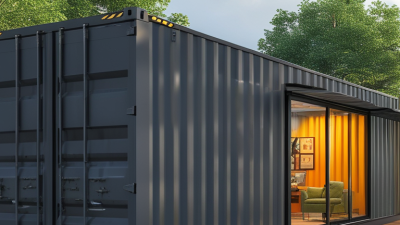
Choosing the right container starts with its intended use. Standard dry containers suit general storage, boxed goods, and basic conversions. High-cube units provide extra height for shelving, insulation, or workshop lighting. Refrigerated containers protect temperature-sensitive materials, but their cooling systems require testing and regular power access. Insulated containers help control heat without active refrigeration. Side-door and double-door models improve access for tools, pallets, and busy work areas. Open-top containers handle tall cargo that cannot fit through standard doors. Flat racks support oversized machinery, although they need careful securing during transport. Tank containers carry approved liquids under strict operating requirements. Half-height containers work well for dense materials and lower loading points.

Matching the container to the site matters as much as matching it to the cargo. Measure gates, turning space, ground strength, and lifting clearance before purchase. A flat rack may solve a transport problem but create a storage problem. Conversion projects also need sound flooring, usable door seals, and panels without serious corrosion. I have seen attractive units fail inspection because hidden rust appeared beneath the floor. That mistake is expensive. A perfect choice rarely exists.

Tips: Request recent inspection photos and verify internal dimensions. Check door operation in person when possible. Confirm payload ratings and transport rules with qualified local professionals. For refrigerated units, test temperature stability for several hours. Leave space for ventilation, drainage, and future repairs. Used containers can be excellent value, but condition varies more than sellers often admit.

Checking Prices, Regulations, Delivery, and Purchase Requirements

Top 10 Shipping Container Types to Purchase?

When comparing shipping containers, match the type to your actual use. Common choices include standard dry, high cube, refrigerated, insulated, open-top, open-side, flat rack, platform, half-height, and tank containers. Standard dry units suit storage, while high cubes provide extra headroom. Refrigerated models need working machinery and reliable power. Tank containers require strict certification and lawful, approved contents.

Prices depend on size, age, condition, location, and modifications. A used 20-foot container may cost less, but rust, damaged floors, and poor door seals can increase repairs. Inspect the roof after rain. Check locking bars, corner castings, ventilation, and interior odors. For international transport, verify the CSC plate and inspection dates. Local building, zoning, fire, and placement rules may also apply.

Tips: Request recent photos, serial details, and a written condition report. Confirm whether delivery, unloading, taxes, and permits are included. Measure the access road carefully; a delivery truck needs turning space and stable ground. Ask about crane requirements and final placement fees. A cheap quote can hide transport costs. My checklist is helpful, not perfect, so an independent inspection remains sensible. Delivery dates can change because of weather, traffic, or equipment shortages.

Top 10 Shipping Container Types to Purchase

Indicative used-market purchase prices in USD. Actual costs vary by condition, certification, location, availability, transport distance, and local regulations.

Buying note: Standard dry containers are generally the most economical option. Refrigerated, tank, open-top, and flat-rack containers usually cost more because they require specialized equipment, inspections, or additional compliance documentation. Buyers should verify CSC safety certification, cargo suitability, delivery access, and any permits required at the destination.

Call free on
0800 1954 538