In the rapidly evolving landscape of 2025, the versatility of the large shipping container continues to captivate the imagination of innovators and entrepreneurs alike. These robust steel structures, originally designed for transporting goods across oceans, are now being repurposed into functional and creative solutions across various sectors. As sustainability and efficiency become paramount in urban planning and resource management, the potential applications for large shipping containers expand exponentially.
From modular housing solutions that address the global housing crisis to eco-friendly pop-up shops that redefine retail experiences, the innovative uses for large shipping containers are reshaping our environment. These containers are not only a symbol of efficient logistics but also a canvas for creativity, inspiring architects, designers, and business owners to think outside the box—quite literally. As we explore the top ten uses for large shipping containers in 2025, it becomes clear that their impact goes beyond mere transportation, shifting towards a future where they play a pivotal role in sustainable development and community building.
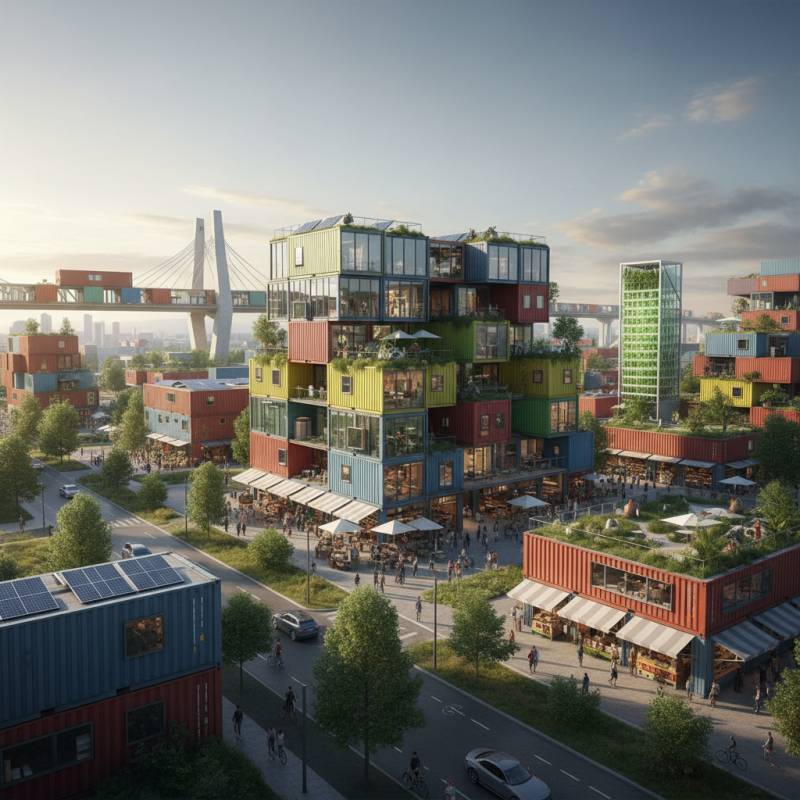
As we look toward 2025, the versatility of large shipping containers continues to inspire innovative applications across various industries. These robust metal boxes are no longer limited to transportation; they have transcended to become essential components in construction, retail, and sustainable living. According to a report by Technavio, the global shipping container market is expected to grow by over 5% annually, showcasing the increasing demand for creative solutions utilizing these containers beyond conventional uses.
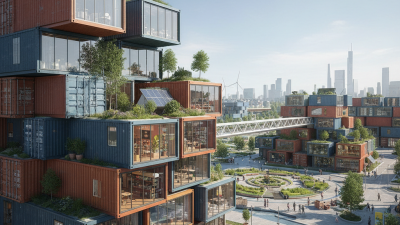
One of the standout trends for 2025 is the transformation of shipping containers into eco-friendly homes. With the rising awareness of sustainable living, numerous architects and developers are turning to shipping containers for affordable housing. Notably, the average cost of building a home from a shipping container can be up to 30% lower than traditional homes, providing an attractive option for first-time homeowners. Moreover, these container homes can be designed to incorporate renewable energy systems and efficient water use, making them a popular choice for environmentally conscious individuals.
Tips for those considering this trend include opting for insulated containers to ensure comfort year-round and incorporating modular designs, allowing for future expansions or modifications. Additionally, exploring local regulations regarding zoning and building permits can save time and money. Embracing the adaptability of shipping containers offers not only financial savings but also an opportunity to contribute positively to the environment, making it an exciting avenue for innovation in the coming years.
The rising demand for affordable housing solutions has led to the innovative use of large shipping containers in urban development. According to the National Low Income Housing Coalition, there is a shortage of over 7 million affordable rental homes in the United States alone. This gap highlights the urgent need for creative housing solutions, and shipping containers offer a sustainable and cost-effective option. By repurposing these containers, developers can create resilient homes that are not only affordable but also environmentally friendly. A study from the World Economic Forum indicates that converting shipping containers into housing could reduce construction costs by up to 30%, making it an attractive prospect for cities grappling with housing shortages.
In addition to cost savings, shipping container housing projects have the potential to be built quickly, addressing urgent housing needs more efficiently. With average build times for traditional homes extending into several months, container homes can be assembled in weeks, allowing communities to respond faster to crises such as natural disasters or housing shortages. The United Nations predicts that by 2030, approximately 60% of the world’s population will live in urban areas, creating an even greater demand for innovative housing solutions. Emphasizing the importance of adaptability, shipping containers can be modified easily to create multi-family units, community spaces, or even emergency shelters, making them a versatile tool in the pursuit of sustainable urban living.
In recent years, the integration of large shipping containers into urban agriculture has gained significant momentum, particularly as cities strive for sustainable practices. According to a report by the World Economic Forum, urban agriculture can potentially reduce food transportation costs by up to 30% while cutting greenhouse gas emissions significantly. Shipping containers provide a versatile solution for creating controlled environments that enable year-round food production, addressing issues of food security in densely populated areas.
Using modified containers, urban farmers can employ hydroponic or aquaponic systems, maximizing space and minimizing water use. The Food and Agriculture Organization (FAO) reports that such systems can use up to 90% less water than traditional farming methods, making them ideal for cities facing water scarcity. Furthermore, with urban populations projected to reach 68% by 2050, incorporating these innovative agricultural practices can help cities meet the rising demand for fresh produce while promoting sustainability. Container farms not only produce food but also engage communities in the process, educating residents about farming and healthy eating, thus nurturing a stronger connection between urban dwellers and their food sources.
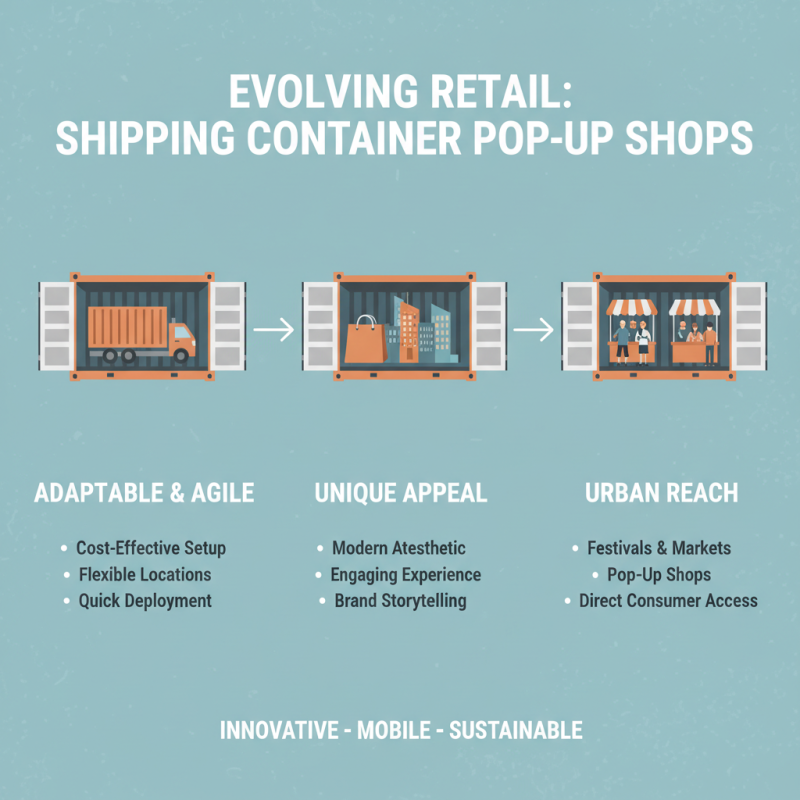
In recent years, shipping containers have transcended their original purpose and are increasingly being repurposed as mobile retail outlets. This innovative trend is not only cost-effective but also provides businesses with the flexibility to reach customers in various locations. As urban areas continue to evolve and consumer habits shift, mobile retail options using shipping containers stand out due to their accessibility and unique aesthetic appeal. These portable retail spaces can be set up at festivals, markets, and even as pop-up shops in high-traffic areas, allowing brands to engage directly with their target audience.
When venturing into the world of mobile retail, there are a few tips to consider. First, ensure that your shipping container is well-designed and visually appealing to attract customers. Incorporating elements like bright colors, creative signage, and transparent displays can make a significant difference. Additionally, focus on the flow of the space; a well-organized layout allows for a smoother shopping experience. Secondly, leverage social media to promote your location and notify followers of special events or promotions. Building a strong online presence not only drives traffic but also fosters a community around your mobile outlet.
Moreover, consider the products you offer. Seasonal and curated selections can enhance the experience, encouraging repeat visits as customers anticipate new and exciting offerings. Ensuring a seamless payment process is also crucial; integrating mobile payment options can streamline the transaction, making it more convenient for shoppers. With the right approach, shipping containers can revolutionize retail experiences and draw in diverse customer bases, proving their enduring versatility in the modern market.
As natural disasters become more frequent and severe due to climate change, the need for efficient and rapid emergency shelters has never been greater. Large shipping containers present a versatile solution for disaster relief efforts, offering sturdy and readily available infrastructure. These containers can be quickly transported to affected areas and transformed into temporary housing solutions, providing safe and insulated environments for those displaced by calamities. Their steel structure ensures durability, while the ability to stack and connect containers allows for the creation of communities, complete with shared facilities.
In addition to housing, shipping containers can be repurposed for various life-sustaining functions during emergencies. They can be converted into makeshift medical clinics, supply depots, or command centers for relief organizations. Equipped with essential utilities like electricity, water, and waste management systems, these containers can serve as operational hubs, aiding logistics and distribution of food, medicine, and other critical supplies. By adapting shipping containers for disaster relief, communities can enhance their resilience, ensuring that they are better prepared to face the next crisis while providing essential support to those in need.
| Use Case | Description | Benefits | Location |
|---|---|---|---|
| Emergency Shelters | Temporary housing solutions during disasters. | Quick to deploy, durable, and secure. | Disaster-stricken areas |
| Mobile Clinics | Healthcare services on the move. | Affordable and customizable healthcare solutions. | Remote communities |
| Food Distribution Centers | Storage and distribution of emergency food supplies. | Efficient logistics and transportation. | Disaster relief zones |
| Water Purification Stations | Mobile water treatment solutions. | Provides clean water access quickly. | Flood-affected regions |
| School Classrooms | Temporary classrooms for displaced students. | Sustainable and transportable educational spaces. | Evacuation areas |
| Storage Facilities | Secure storage for emergency supplies. | Protection from weather and theft. | Logistics hubs |
| Waste Management Units | Temporary facilities for waste disposal and recycling. | Helps maintain hygiene in disaster zones. | Camps and relief centers |
| Community Centers | Spaces for gathering and support services. | Fosters community resilience and coordination. | Displaced populations |
| Temporary Offices | Workspaces for relief organizations. | Affordable and quick setup. | Disaster response zones |
| Training Facilities | Areas for skill development workshops. | Enhances community preparedness and resilience. | Community centers |
The article "Top 10 Uses for Large Shipping Containers in 2025: Innovative Ideas and Tips" explores creative and practical applications of large shipping containers in various sectors. One of the primary uses highlighted is the transformation of these containers into affordable housing solutions, addressing the global housing crisis with innovative designs. Additionally, large shipping containers are emerging as a sustainable option for urban agriculture, allowing communities to grow food locally with minimal environmental impact.
Furthermore, the article discusses the rising trend of using shipping containers as mobile retail outlets, providing a flexible solution for businesses. In times of crisis, these containers serve as adaptable disaster relief shelters, demonstrating their utility in emergency situations. Lastly, the implementation of large shipping containers as cost-effective office spaces presents a new frontier in workspace innovation. Overall, the versatility and practicality of large shipping containers are paving the way for their increased use across diverse sectors in 2025 and beyond.