Skip to content

How to Use a 40 ft Container for Shipping and Storage Solutions?

In the shipping and logistics industry, the 40 ft container stands as a versatile solution. It accommodates a variety of goods, making it essential for many businesses. According to industry reports, over 90% of global trade relies on container shipping. The 40 ft container is a key player in this system.

Using a 40 ft container for storage can enhance efficiency. It offers approximately 2,390 cubic feet of space. This size allows businesses to optimize storage without excessive rent costs. However, improper use can lead to wasted space or damaged goods. Awareness of these challenges is vital.

Moreover, the demand for storage solutions continues to rise. A recent study indicates that warehouse space is 95% leased in major markets. As a result, the 40 ft container provides a practical alternative. Implementing this solution requires thoughtful planning. It’s important to assess the container's condition and compatibility with specific storage needs.
How to Use a 40 ft Container for Shipping and Storage Solutions?

Understanding the Basics of 40 ft Shipping Containers

40 ft shipping containers are versatile tools for shipping and storage. These containers can hold a significant amount of cargo. Their size allows for easy transport on ships, trains, and trucks. When using a 40 ft container, organization is essential. You should categorize items by type or frequency of use. Designate specific areas within the container. This helps maintain order and accessibility.

Tips: Use stackable bins for smaller items. They maximize space and prevent clutter. Label everything to avoid confusion later. This will save time during retrieval. Consider climate control measures, especially for sensitive goods. If you plan to store items for a long time, check for leaks and rust. The container's condition can deteriorate quickly.

A 40 ft container offers excellent value. However, it demands careful planning and maintenance. Understand your storage needs before purchasing. Not all containers are suitable for every product. Be realistic about what you need and how often you will access it. Limit the contents to avoid overpacking. This not only saves space but also makes retrieval easier in the long run.

Benefits of Using 40 ft Containers for Storage and Shipping

Using a 40 ft container for shipping and storage offers impressive benefits. These containers hold approximately 2,390 cubic feet of space. This makes them ideal for businesses with significant storage needs. According to industry reports, over 80% of global trade is done via container shipping. This highlights the importance of efficient storage solutions.

One major advantage of 40 ft containers is their cost-effectiveness. Renting or buying a container provides a favorable rate compared to traditional warehousing. However, it requires careful planning. The dimensions can be tricky for urban locations with limited access. Space constraints can lead to inefficiencies.

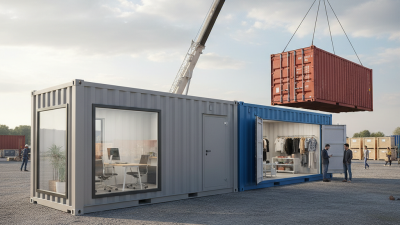
Another key benefit is their versatility. These containers are used for various purposes. They can store furniture, inventory, or even serve as mobile offices. However, they must be maintained properly. Rust and leaks occur if not checked regularly. This emphasizes the need for ongoing inspection. Balancing convenience and care is vital for optimal usage.

Benefits of Using 40 ft Containers for Storage and Shipping

Optimal Methods for Packing and Loading a 40 ft Container

How to Use a 40 ft Container for Shipping and Storage Solutions?

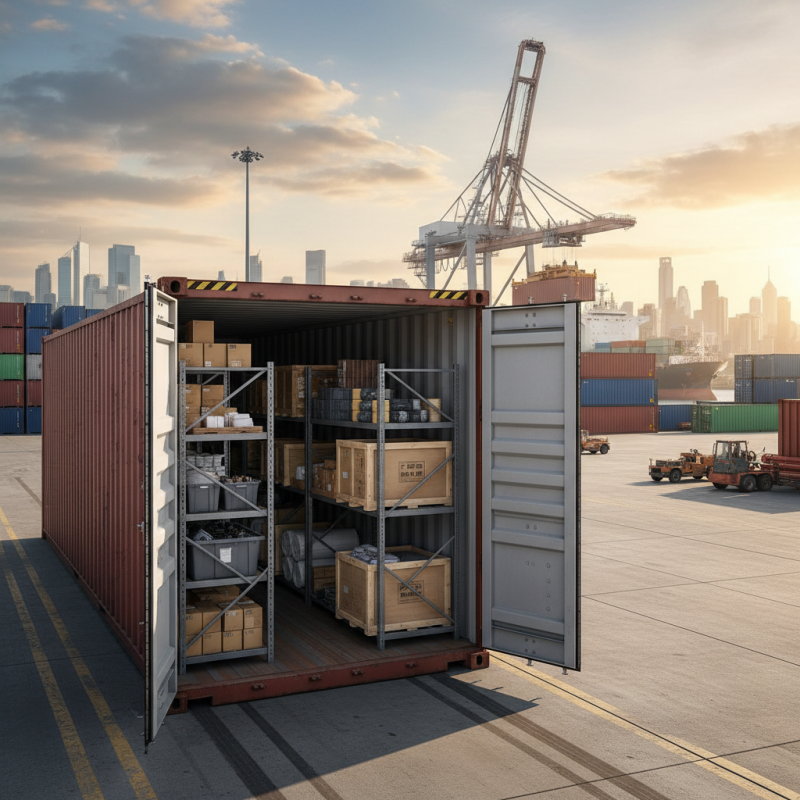
When loading a 40 ft container, efficiency is key. Start by measuring your items. Know their dimensions and weights. This helps in ensuring everything fits well. Using uniform boxes can maximize space. Stack heavier items at the bottom. This keeps the load balanced and stable.

Creating a loading plan can prevent chaos. Visualize your container's layout. Group similar items together. It saves time during unloading. Leave some space for items you may need easy access to. Sometimes, despite careful planning, things don’t fit as expected. Be prepared to rearrange if necessary.

Packing fragile items requires extra care. Use cushioning material to prevent damage. Label boxes clearly for easy identification. It’s easy to overlook details in the rush. Double-check your load before sealing the container. Small mistakes can lead to big problems later. Ultimately, patience and organization will lead to a successful shipping experience.

Best Practices for Securing and Maintaining Container Contents

When using a 40 ft container for shipping and storage, securing and maintaining the contents is crucial. According to industry reports, around 30% of shipping losses occur due to improper securing. Containers should be packed evenly to prevent shifting during transit. A well-balanced load can reduce the risk of damage.

Tip: Use dunnage to fill empty spaces. This reduces movement inside the container. Additionally, securing items with straps or nets can offer added protection.

Maintaining the condition of the container is just as important. Regular inspections help identify wear or damage early. A recent study revealed that over 50% of container damages are preventable. Keep an eye on rust and corrosion, especially in humid environments. Cleaning the container regularly can extend its lifespan significantly.

Tip: Always check seals and locks after loading. This prevents moisture and pests from entering. It’s essential to adapt your approach based on the contents and external conditions. Reflect on past experiences to improve future operations.

How to Use a 40 ft Container for Shipping and Storage Solutions? - Best Practices for Securing and Maintaining Container Contents
Aspect Best Practice Tips
Loading Distribute Weight Evenly Place heavier items on the bottom and distribute weight across the container floor.
Securing Contents Use Straps and Supports Use ratchet straps and dunnage to prevent shifting during transit.
Ventilation Ensure Proper Airflow Leave vents open or use breathable materials to prevent moisture buildup.
Maintenance Regular Inspections Inspect containers for damage and perform necessary repairs promptly.
Security Lock Containers When Not in Use Use high-quality locks and consider alarm systems for added security.

Exploring Transportation Options for 40 ft Shipping Containers

Using a 40 ft container for shipping offers versatile transportation options. These containers can hold around 2,390 cubic feet of cargo, making them ideal for both domestic and international shipping. In fact, according to industry reports, about 90% of global trade is carried by shipping containers. This highlights their importance in logistics.

When considering transportation, evaluate the condition of the container. A well-maintained container ensures cargo safety. Check for any rust, leaks, or structural issues. Hiring experienced professionals for loading can prevent damage. Many companies now offer adaptive solutions, such as refrigerated containers, to meet varying shipping needs.

Tip: Always measure your cargo beforehand. It helps avoid mishaps during transportation. Proper packing can maximize space. This can save costs significantly.

Another point to reflect on is the environmental impact. Shipping containers contribute to carbon emissions. Alternatives like rail transport can lower footprints. Balancing efficiency with sustainability is key in modern logistics.

Call free on
0800 1954 538