What Is a 6ft Shipping Container Used For?
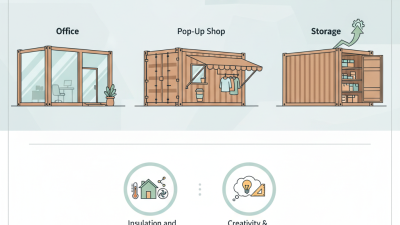
A 6ft shipping container is a compact steel storage unit designed for places where space is limited. It can hold garden tools, archived documents, spare parts, bicycles, or small construction equipment. Some businesses use one as a secure stockroom beside a shop. Others convert it into a compact workshop, ticket booth, site office, or seasonal retail kiosk.
It is not a miniature warehouse. That assumption fails often. James R. O’Connor, a container logistics consultant, explains, “The best small container solves an access problem before it solves a storage problem.” His point matters because internal space is limited. Shelving, insulation, and lighting can reduce usable capacity quickly. A simple layout may work better than a crowded one.
A 6ft shipping container also suits schools, farms, event venues, and residential projects. Its steel walls provide useful protection from rain, wind, and casual tampering. However, stored items still need dry packing and airflow. Condensation can damage paper, tools, and electronics. A level base is essential. Door clearance matters too. Delivery vehicles may need a firm approach and enough turning space.
This container can be practical, but it is not automatically suitable for every property. Local planning rules, fire requirements, access limits, and load restrictions should be checked before installation. Some uses may also need insulation or electrical work by qualified professionals. The most effective solution is usually modest: measure the site, define the contents, and plan daily access before choosing a 6ft shipping container.
What Is a 6ft Shipping Container?
What Is a 6ft Shipping Container?
A 6ft shipping container is a compact, steel storage unit measuring roughly 6 feet long. Its external width is usually near 8 feet, while height commonly reaches 8 feet 6 inches. Dimensions can vary, so buyers should check the technical drawing before ordering. Unlike standard 20ft and 40ft containers defined by ISO 668, 6ft units are generally mini containers. They may not be suitable for every shipping route or handling system.
Small, but useful.
UNCTAD’s Review of Maritime Transport 2023 states that ships carry over 80% of global trade by volume. This explains why container design prioritizes standard sizes, cranes, and intermodal transport. A 6ft container serves a different purpose. It can hold garden tools, construction equipment, archives, spare parts, or seasonal stock beside a home or workshop. Its short footprint fits narrow driveways and restricted sites better than a full-size unit.
What Is a 6ft Shipping Container Used For?
In practical use, people often choose one for secure outdoor storage, temporary site storage, or compact business inventory. Steel walls help protect contents from rain, impact, and casual access. However, condensation can still damage paper, textiles, and electronics. Ventilation and raised shelving matter. It is easy to overstate their flexibility; some models have limited door access, internal width, or lifting options. Check payload, floor condition, lock design, delivery clearance, and local placement rules before purchase.
What Are the Main Uses of a 6ft Shipping Container?
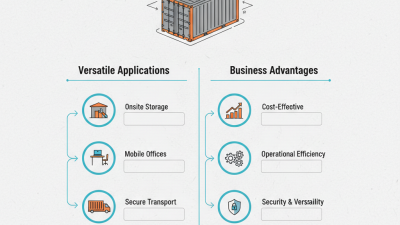
A 6ft shipping container is mainly used where space is limited but secure storage is still necessary. Its compact footprint suits construction sites, workshops, schools, farms, and urban businesses. Workers can store hand tools, cables, paint, spare parts, or seasonal equipment inside. With a lockable door and raised floor, it keeps valuable items away from rain, mud, and casual access. It is small, but not weightless.
The wider need is clear. UNCTAD’s Review of Maritime Transport reports that over 80% of global merchandise trade moves by sea, creating demand for adaptable container-based storage. A 6ft unit can serve as a temporary stockroom beside a shop, a document archive, or a controlled collection point during renovation work. Some users add shelving, lighting, ventilation, or insulation. Those modifications improve daily use, although they can reduce internal space and increase maintenance needs.
Event organizers may use one for equipment, barriers, cleaning supplies, or temporary site operations. Small retailers can position it behind a premises for overflow inventory. Gardeners often store mowers and tools there. It can also support short-term construction logistics when a full-size container would block access routes. The compromise is obvious. A 6ft container cannot replace a warehouse, workshop, or staffed security room. Before placement, users should check ground stability, door clearance, drainage, and local planning requirements. UNCTAD’s logistics analysis also highlights the importance of resilient supply chains, but resilience is not achieved by storage alone.
How Is a 6ft Shipping Container Used for Storage?
A 6ft shipping container is a compact storage solution for homes, workshops, and small commercial sites. Its footprint fits narrow driveways, side passages, and temporary work areas.
ISO 668 defines standard freight-container dimensions, but most six-foot units are modified or purpose-built storage containers. They are usually not intended for ocean transport. This distinction matters when comparing strength, ventilation, and handling options.
For storage,
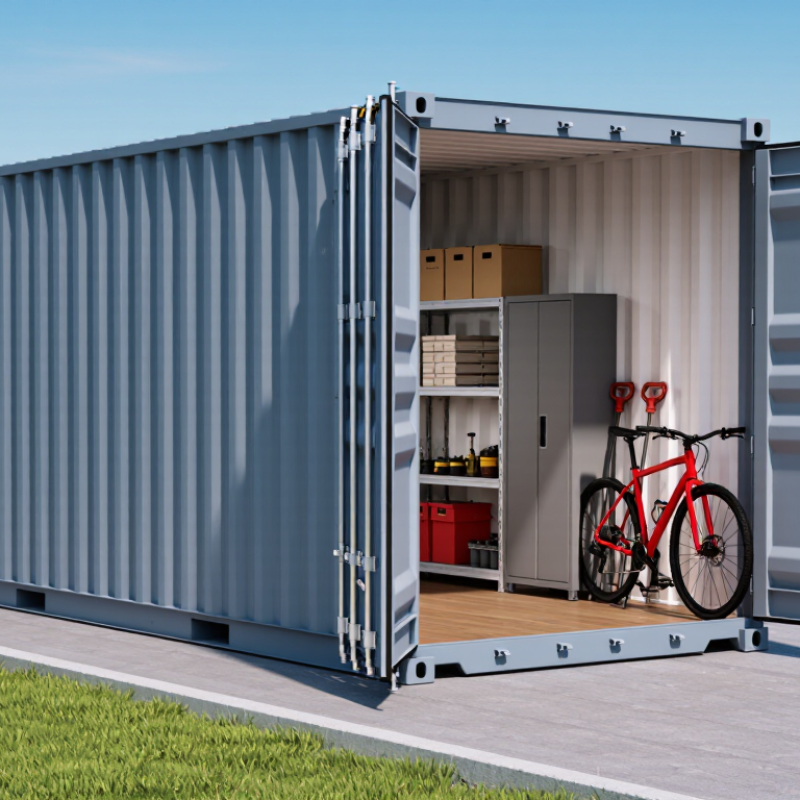
the container can hold garden tools, archive boxes, bicycles, seasonal furniture, or boxed inventory. A typical internal layout works best with shelving along one wall and a clear central aisle.
Keep heavy items low and near the middle. This reduces movement and improves balance during relocation.
UNCTAD’s Review of Maritime Transport reports that ships carry over 80% of global merchandise trade by volume, showing why container-based design prioritizes secure handling. However, a small container still needs careful site planning.
Moisture is the common weakness.
Use raised pallets, breathable covers, and a small ventilation gap around stored goods. Avoid sealing damp furniture inside. That mistake becomes expensive.
Industry storage guidance also recommends checking floor loading, door clearance, drainage, and local placement requirements before delivery. The six-foot format offers less capacity than a standard unit, so measure every large item first.
A narrow door can defeat an otherwise practical storage plan. Use a lockable hasp, inspect hinges regularly, and leave access to ventilation points.
Small details matter.
What Should You Consider Before Using a 6ft Shipping Container?
What Is a 6ft Shipping Container Used For?
A 6ft shipping container is mainly used for compact, secure storage. It can hold garden tools, site equipment, spare parts, or household boxes. Its small footprint suits narrow driveways and crowded construction sites. However, “shipping container” can be misleading here. Many six-foot units are modified or non-standard designs, rather than full ISO freight containers.
Before ordering, confirm the external and internal measurements. ISO 668 defines standard container dimensions, but a six-foot model may not meet every intermodal requirement. That affects transport, stacking, lifting, and resale value. UNCTAD’s Review of Maritime Transport 2023 reports that over 80% of global merchandise trade by volume moves by sea. A compact unit designed only for local storage should not automatically be treated as ocean-shipping equipment.
Check the door opening, floor strength, roof clearance, and delivery route. A narrow gate can defeat the entire plan. Place the container on level, stable supports, keeping the floor away from standing water. Steel walls protect contents, but condensation can still damage cardboard, fabric, and tools. Ventilation helps. So does a small gap between stored items and the walls.
Ask about payload ratings, corrosion treatment, locking hardware, and paint condition. Verify whether local planning or site rules apply. Costs may also include delivery, crane access, preparation, and later removal. I would measure the largest item twice. Six feet disappears quickly, and that is an easy mistake to underestimate.
What Is a 6ft Shipping Container Used For?
A 6ft shipping container is a compact steel storage unit commonly used for tools, garden equipment, bicycles, small inventories, and temporary site storage where a full-size container would occupy too much space.
Approximate internal dimensions of a typical 6ft container: 5.5ft long × 7.7ft wide × 7.8ft high. Actual dimensions vary by manufacturer and construction.
What Should You Consider Before Using One?
- Available space: Measure the placement area, access route, doorway clearance, and turning space before delivery.
- Capacity: The compact interior is suitable for smaller items, but bulky equipment may be difficult to load or organize.
- Access: Check door width, threshold height, and whether the container provides convenient loading access.
- Ventilation and condensation: Use ventilation when storing moisture-sensitive goods, especially in changing temperatures.
- Ground conditions: Place the unit on a stable, level surface that can support its weight and prevent water accumulation.
- Security and regulations: Consider locks, lighting, local planning rules, and any site-specific delivery requirements.