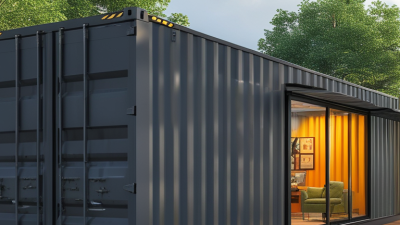
Why Choose a 30 Foot Shipping Container?
A 30 foot shipping container offers a practical middle ground between standard 20 foot and 40 foot units. It provides more usable floor space without demanding the footprint of a longer container. This balance can help businesses store palletized goods, tools, machinery, or seasonal inventory at different sites.
Container specialist John Fossey of Drewry has emphasized, “The container is the basic building block of global trade.” That idea matters here. A 30 foot shipping container is not simply extra storage. It is a transport asset, a weather-resistant workspace, and sometimes a temporary operational base. Its steel walls, locking doors, and standardized structure support predictable handling.
Fit matters most.
A facility with narrow access roads may reject a larger unit. A small warehouse may waste money on unused capacity. The 30 foot option can reduce that mismatch. Yet it is not perfect. Availability varies by region, and some carriers or depots may not handle this less-common size efficiently. Buyers should confirm dimensions, payload limits, delivery access, ventilation needs, and local placement requirements before ordering.
A clear plan prevents expensive surprises. Measure the turning space. Check the ground condition. Consider loading height and door clearance. For long-term use, inspect corrosion protection and floor quality. With careful planning, a 30 foot shipping container can provide flexible capacity without overwhelming the site. Sometimes, the smartest choice is not the largest box.
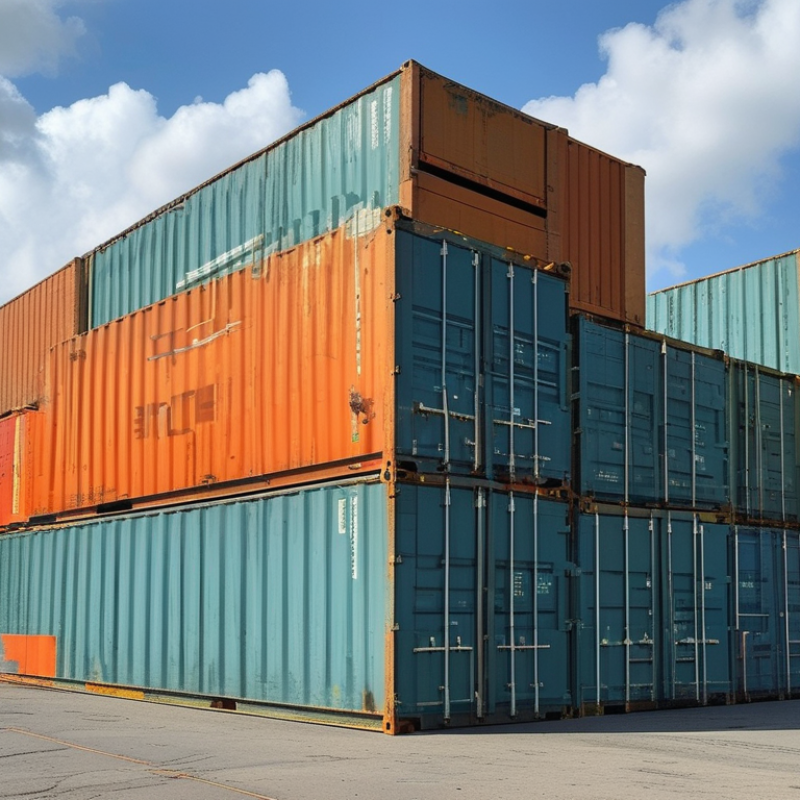
Why Choose a 30 Foot Shipping Container?
What Is a 30-Foot Shipping Container?
A 30-foot shipping container is a steel freight unit measuring about 9.1 meters long. Its usual external width is 2.44 meters, with an external height near 2.59 meters. Internal measurements vary by manufacturer, insulation, and door design. ISO 668:2020 provides the dimensional framework for freight containers, but not every 30-foot unit has identical specifications.
It offers more floor space than a 20-foot container without reaching the length of a 40-foot model. This can suit machinery, construction materials, furniture, or temperature-sensitive equipment. A typical unit provides roughly 60 cubic meters of internal volume, though usable capacity is lower after wall thickness and fittings. UNCTAD’s Review of Maritime Transport 2024 recorded about 858 million TEUs in global container port throughput during 2023. That scale shows why standardized equipment matters. A 30-foot unit may fit your site better, but it may not move through every handling network as easily as a 20- or 40-foot container.
Tips: Measure the loading area, access road, turning radius, and door clearance first. Confirm payload, tare weight, corner-casting dimensions, and certification documents. I have seen projects focus on internal length and overlook forklift access. That mistake can become expensive. Also ask whether the container is intended for ocean transport, inland storage, or both. The cheapest option is not always the most practical.
A 30-foot shipping container usually provides about 1,700 to 1,900 cubic feet of internal space. Exact capacity depends on wall thickness, door design, and whether the unit is standard or modified. A typical interior measures roughly 29 feet long, 7 feet 8 inches wide, and 7 feet 10 inches high.
That is substantial room. It can hold household furniture, workshop equipment, seasonal inventory, or several dozen standard boxes. With careful planning, two rows of shelving can run along the walls while leaving a narrow central walkway. Pallets may fit efficiently, but their dimensions and loading method matter. Empty air above the cargo is still wasted space.
Measure everything first.
A 30-foot container is longer than common container sizes, yet it does not provide unlimited flexibility. Door clearance can restrict large furniture, and uneven weight distribution may create handling problems. Moisture control also deserves attention, especially when stored items include textiles, paper, or untreated wood. Ventilation, raised flooring, and secure packing can reduce these risks.
The capacity estimate is never perfect. Interior fittings, insulation, and packaging can remove more usable space than expected. A practical plan should reserve around 10 percent for access and movement. It feels inefficient, but it makes loading safer and future retrieval easier. For accurate planning, calculate cubic volume and floor area separately. One measurement alone can mislead.
| Space or Capacity Dimension | Typical 30-Foot Container Data | What This Means in Practice |
|---|---|---|
| External length | 30 ft (9.14 m) | Provides more length than a standard 20-foot unit while requiring less space than a 40-foot container. |
| External width | 8 ft (2.44 m) | The standard exterior width is suitable for planned storage layouts, loading areas, and container placement spaces. |
| External height | 9 ft 6 in (2.90 m) | This is the typical high-cube height, offering more vertical clearance than a standard-height container. |
| Internal length | Approximately 29 ft 4 in (8.94 m) | The usable length is reduced slightly by the container walls and end structure. |
| Internal width | Approximately 7 ft 8 in (2.34 m) | This width can accommodate pallets, shelving, equipment, or long construction materials, depending on the loading arrangement. |
| Internal height | Approximately 8 ft 9 in (2.66 m) | The additional height is useful for taller stored items, stacked cartons, shelving systems, and workshop layouts. |
| Internal floor area | Approximately 225 sq ft (20.9 m²) | Comparable to the floor area of a compact studio or a small garage, subject to local building and use requirements. |
| Internal volume | Approximately 1,970 cu ft (55.8 m³) | The enclosed volume provides a practical balance between storage capacity and site footprint. |
| Door opening | Approximately 7 ft 8 in wide × 8 ft 5 in high (2.34 m × 2.57 m) | The opening is generally suitable for palletized goods and bulky items, although exact clearance varies by door design. |
| Typical maximum payload | Approximately 55,000–66,000 lb (24,950–29,940 kg) | Actual payload depends on the container’s construction, tare weight, certification, transport rules, and the selected unit. |
| Recommended use cases | Storage, modular workspace, inventory overflow, equipment housing, and project materials | A 30-foot unit is a useful middle-ground option when a 20-foot container is too small but a 40-foot container would provide unnecessary capacity. |
A 30-foot shipping container offers more usable length than a 20-foot unit. It remains easier to place than a 40-foot container. Its practical uses begin with secure on-site storage. Contractors can store timber, pipes, tools, and packaged equipment under one lockable roof. The extra length creates clearer walkways, although poor loading still wastes space. Shelving near both end walls can improve access and reduce handling time.
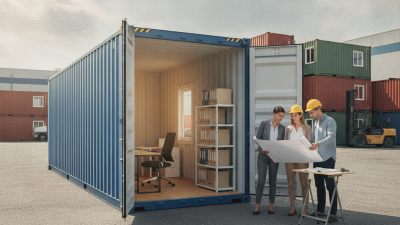
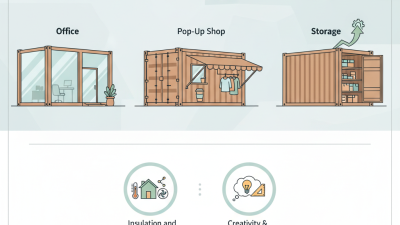
Businesses also convert these containers into compact workshops, site offices, ticket booths, and inventory rooms. A 30-foot unit can hold workbenches, lighting, ventilation, and insulated wall panels without feeling excessively crowded. Farmers may use one for dry equipment storage or controlled packing areas, subject to local requirements. Temporary classrooms and community service spaces are possible too, but accessibility, fire protection, and thermal performance need professional review.
The logistics case is also credible. UNCTAD’s Review of Maritime Transport 2024 reported approximately 859 million twenty-foot-equivalent units handled globally in 2023, showing the scale of container-based supply chains. However, ISO 668 mainly standardizes common 20-foot and 40-foot container formats. Thirty-foot containers are therefore often modified or purpose-built, not universally interchangeable. That detail matters. Some terminals, chassis, and handling systems may not accept them without advance checks. A site survey should confirm door clearance, foundation strength, crane access, and delivery restrictions. The format is useful, but it is not automatically convenient.
A 30-foot shipping container offers a practical middle ground between smaller and larger units. A 20-foot container can feel cramped when storing long tools, timber, furniture, or business equipment. A 40-foot container provides more volume, but it also demands more space and careful site planning. The 30-foot option often fits both needs without overwhelming the property.
On real sites, the difference becomes clear. A 30-foot container can leave room for access paths, turning space, and safer loading. Its length suits small workshops, seasonal inventory, construction materials, and household storage during renovations. It also reduces the need to stack items too high. That matters when workers need regular access. Measure twice.
Compared with a 20-foot unit, it offers extra floor area without doubling the footprint. Compared with a 40-foot unit, it may be easier to position on narrow or irregular land. Transport access still requires attention, including road width, overhead clearance, ground strength, and local placement rules. Dimensions can vary by container type and manufacturer, so confirm the internal measurements before ordering. I have seen storage plans fail because shelving reduced usable width more than expected. That mistake is easy to make. A detailed loading sketch can reveal wasted corners, blocked doors, and unrealistic capacity estimates before delivery.
Why Choose a 30 Foot Shipping Container?
What Factors Should You Consider Before Buying or Renting One?
A 30-foot shipping container offers more room than a 20-foot unit, without the unused space of a 40-foot model. Its external size is usually about 30 by 8 feet, with an 8-foot-6-inch height. Internal dimensions vary by manufacturer, so confirm them before ordering. A typical unit provides roughly 1,700 cubic feet of storage. That suits workshop equipment, household contents, or seasonal inventory. UNCTAD’s Review of Maritime Transport reports that ships carry over 80% of global merchandise trade by volume. This scale explains why container specifications and inspection standards matter.
Before buying or renting, measure the site carefully. Allow space for delivery equipment, door clearance, drainage, and future access. Check the floor condition, roof leaks, door seals, corrosion, and previous repairs. A used container may look sound outside but hide damp plywood or weakened corner fittings. Payload also needs attention. The container may support substantial weight, but local road limits can reduce the practical load. Buying makes sense for long-term storage and repeated use. Renting may cost less for a temporary project, especially when maintenance is uncertain.
Tips: Ask for external and internal measurements in writing. Request recent inspection photos. Confirm delivery charges, rental renewal terms, and removal fees. Think about ventilation. Condensation can damage furniture, tools, and cartons. I have seen storage plans fail because one narrow gate was ignored. That mistake is avoidable. A 30-foot unit is useful, but only when the site, cargo, and contract match its real dimensions.
Before buying or renting, compare usable capacity with the space, access, transport, and budget available at your site.
How to read this chart: A typical 30-foot dry container provides approximately 49 m³ of internal volume—substantially more capacity than a 20-foot unit while requiring less site length than a 40-foot unit. Actual dimensions vary by container design, wall thickness, door configuration, and condition. Also confirm payload limits, delivery access, ground preparation, rental terms, and local transport regulations before choosing a unit.