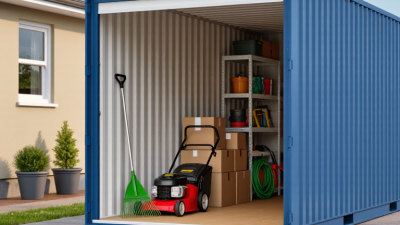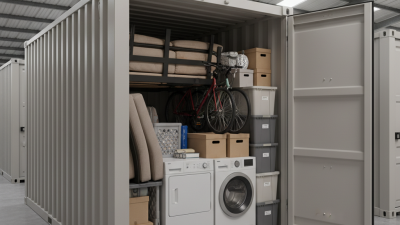
Choosing the right 10 foot storage container starts with more than comparing online prices. You need to understand size, construction, access, ventilation, delivery, and long-term maintenance. A compact unit may fit a driveway, garden corner, workshop, or small construction site. However, the internal space can feel limited once shelving, bicycles, tools, or seasonal equipment are added.
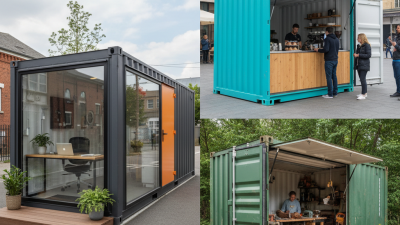
This guide examines ten practical storage container types expected to remain popular in 2026. Options may include standard steel containers, insulated models, side-opening units, tunnel containers, refrigerated units, and modified office-style designs. Typical external measurements are close to 10 feet long, 8 feet wide, and 8 feet 6 inches high, although manufacturers vary. Internal dimensions are smaller because of wall thickness and door framing. Measure twice.
Prices can differ widely. A basic used container may cost less than a new, wind-and-watertight model. Delivery distance, ground preparation, lockboxes, paint condition, flooring, and local availability can change the final invoice. A refrigerated unit usually costs much more because its cooling system requires inspection and electricity. These figures should be treated as working estimates, not guaranteed quotations.
Real-world details matter. A truck may need clear access, firm ground, and enough overhead space for placement. Check door swing areas before ordering. Ask suppliers about steel thickness, corrosion treatment, floor condition, warranty terms, and delivery methods. Some listings appear inexpensive but exclude transport or unloading. That can be frustrating. By comparing sizes, features, and total ownership costs, buyers can make a more reliable decision and avoid paying for capacity they cannot use.
A 10-foot storage container is a compact steel unit designed for secure, movable storage. Under ISO 668:2020 dimensions, a typical unit measures about 10 feet long, 8 feet wide, and 8 feet 6 inches high. Its internal space usually approaches 560 cubic feet, although wall thickness and door design reduce usable capacity. That space can hold bicycles, seasonal furniture, boxed records, or a small construction crew’s tools.
It works well where a 20-foot container feels excessive. A driveway, school renovation site, retail back room, or apartment project may benefit from its smaller footprint. Many units use weather-resistant steel, locking doors, and forklift pockets. Placement still matters. The ground should be level, firm, and accessible to delivery equipment. Poor drainage can cause avoidable corrosion.
Rental and purchase prices vary sharply by region, condition, delivery distance, and modifications. Industry surveys from the Self Storage Association show continued demand for flexible storage, while UNCTAD’s Review of Maritime Transport 2024 recorded roughly 858 million TEUs in global container port throughput. These figures support the container’s wider logistics role, but they do not set local 10-foot prices. Expect quoted costs to include different services. That part is often unclear. A used unit may look economical, yet damaged seals, odor, or difficult doors can create later expenses. Inspect the floor, roof, locking bars, and certification markings before accepting delivery. Ten feet sounds small, but poor packing wastes it quickly.
A 10-foot storage container is a compact steel container designed for household storage, equipment protection, construction-site use, and short-distance logistics. Most standard models are approximately 10 ft long, 8 ft wide, and 8 ft 6 in high. The prices below are indicative U.S. purchase ranges for 2026 and exclude delivery, taxes, foundations, and custom modifications.
High-cube containers provide additional headroom, while side-opening and double-door models improve access. Open-top units are useful for tall or crane-loaded goods, and refrigerated containers are designed for temperature-sensitive cargo. Actual dimensions and prices may vary according to condition, location, certification, insulation, electrical equipment, and delivery distance.
In 2026, a 10-foot storage container remains useful where space is limited. Standard dry containers usually measure about 10 feet long, 8 feet wide, and 8.5 feet high. Purchase prices often range from $1,800 to $3,500, while monthly rentals may cost $90 to $250. Prices change with location, delivery distance, condition, and certification.
The main ten types include standard dry, high-cube, side-opening, double-door, open-top, refrigerated, insulated, office, workshop, and flat-pack containers. High-cube models offer extra headroom, usually about 9.5 feet externally. Side-opening units simplify access to bicycles, shelving, and bulky equipment. Double-door designs improve loading speed. Open-top containers suit tall materials, but they need weather protection. Refrigerated and insulated versions protect temperature-sensitive goods, though electricity and maintenance increase ownership costs.
Office and workshop containers can include lighting, ventilation, and electrical fittings. Flat-pack units are easier to transport and assemble, but their panels may feel less robust. In my experience, internal measurements matter more than advertised capacity. A standard model may provide roughly 560 cubic feet inside, yet framing and shelving reduce usable space. Check door width, floor condition, ventilation, and delivery access before ordering. These estimates are practical, not exact. Local quotes can differ sharply. I would also question whether a cheaper unit has hidden repair costs, especially around seals, hinges, and corrosion.
| Rank | Container Type | Typical External Size (L × W × H) |
Approx. Internal Volume | Typical New Price in 2026 (USD, Excluding Delivery) |
Approx. Empty Weight | Primary Features | Best-Fit Storage Use |
|---|---|---|---|---|---|---|---|
| 1 | Standard 10-Foot Dry Storage Container | 10 ft × 8 ft × 8 ft 6 in (3.05 m × 2.44 m × 2.59 m) |
About 560 cu ft (15.9 m³) |
$2,000–$4,000 | About 2,200–2,700 kg | Weather-resistant corten steel, lockable cargo doors, plywood or steel floor, standard exterior height | Household goods, tools, furniture, inventory and general equipment |
| 2 | 10-Foot High-Cube Container | 10 ft × 8 ft × 9 ft 6 in (3.05 m × 2.44 m × 2.90 m) |
About 600 cu ft (17.0 m³) |
$2,400–$4,800 | About 2,300–2,900 kg | Approximately 12 inches more internal height than a standard unit, steel construction, lockable doors | Bulky goods, tall shelving, workshop equipment and higher-volume storage |
| 3 | 10-Foot Side-Opening Container | 10 ft × 8 ft × 8 ft 6 in (3.05 m × 2.44 m × 2.59 m) |
About 560 cu ft (15.9 m³) |
$3,000–$6,000 | About 2,300–2,900 kg | Full-length side doors in addition to end doors, easier loading access, steel frame and weather seals | Pallets, long items, retail stock and storage requiring frequent side access |
| 4 | 10-Foot Double-Door Container | 10 ft × 8 ft × 8 ft 6 in (3.05 m × 2.44 m × 2.59 m) |
About 560 cu ft (15.9 m³) |
$2,500–$5,000 | About 2,200–2,800 kg | Doors at both short ends, improved through-access, steel construction and lockable handles | Organized stock rotation, garden equipment, building materials and drive-through loading |
| 5 | 10-Foot Open-Top Container | 10 ft × 8 ft × 8 ft 6 in (3.05 m × 2.44 m × 2.59 m) |
About 560 cu ft (15.9 m³) |
$2,800–$5,500 | About 2,300–2,900 kg | Removable roof bows and tarpaulin cover, end doors, reinforced upper frame | High or awkwardly shaped materials, construction waste and top-loaded equipment |
| 6 | 10-Foot Refrigerated Container | 10 ft × 8 ft × 8 ft 6 in (3.05 m × 2.44 m × 2.59 m) |
About 470–520 cu ft (13.3–14.7 m³) |
$12,000–$25,000 | About 3,000–3,800 kg | Insulated walls, powered refrigeration unit, temperature control commonly from approximately −25°C to +25°C | Food, pharmaceuticals, flowers and other temperature-sensitive products |
| 7 | 10-Foot Insulated Storage Container | 10 ft × 8 ft × 8 ft 6 in (3.05 m × 2.44 m × 2.59 m) |
About 500–540 cu ft (14.2–15.3 m³) |
$4,500–$9,000 | About 2,500–3,200 kg | Insulated wall and ceiling panels, improved thermal stability, sealed doors and optional ventilation | Temperature-sensitive inventory, archives, electronics and condensation-prone goods |
| 8 | 10-Foot Office or Site Storage Container | 10 ft × 8 ft × 8 ft 6 in (3.05 m × 2.44 m × 2.59 m) |
About 500–550 cu ft (14.2–15.6 m³) |
$7,000–$15,000 | About 2,500–3,500 kg | Personnel door, windows, lighting, electrical outlets, insulation and optional heating or cooling | Construction sites, security posts, temporary offices and supervised equipment storage |
| 9 | 10-Foot Dangerous-Goods Storage Container | 10 ft × 8 ft × 8 ft 6 in (3.05 m × 2.44 m × 2.59 m) |
About 500–550 cu ft (14.2–15.6 m³) |
$6,000–$14,000 | About 2,500–3,500 kg | Ventilation, spill-retention sump, compatible lining and lockable access; specifications depend on local regulations | Flammable liquids, chemicals, fuels and regulated industrial materials |
| 10 | 10-Foot Workshop or Shelved Storage Container | 10 ft × 8 ft × 8 ft 6 in (3.05 m × 2.44 m × 2.59 m) |
About 520–550 cu ft (14.7–15.6 m³) |
$4,000–$10,000 | About 2,400–3,300 kg | Installed shelving, workbench, lighting, ventilation and optional personnel door or power system | Maintenance tools, spare parts, landscaping equipment and mobile workshops |
2026 Top 10 Foot Storage Container Types: Prices and Sizes
A 10-foot storage container usually measures about 10 feet long, 8 feet wide, and 8 feet 6 inches high. Interior space is commonly near 560 cubic feet. Standard units often hold 20,000 to 22,000 pounds of cargo, but the permitted gross weight may reach 24,000 to 30,000 pounds. Always check the door plate and transport equipment.
The ten practical types include standard dry, high-cube, side-opening, double-door, open-top, ventilated, insulated, refrigerated, office, and flat-rack containers. Standard dry units often cost $1,500 to $4,000 used. New units may cost $3,000 to $7,000. Side-opening and refrigerated models usually cost more. A high-cube version adds interior height, usually reaching 9 feet 6 inches outside. Its capacity may approach 600 cubic feet.
Dimensions vary slightly between manufacturers and production years. A side-opening model needs extra clearance beside the container. An open-top unit may require lifting space above it. Insulated walls reduce usable width by several inches. I once underestimated this difference and lost valuable aisle space. Real sites are rarely level. Ground preparation, delivery distance, doors, locks, and local handling fees can change the final price. Keep heavy items low and distribute weight evenly. A full container can exceed the safe limit of a small trailer, even when the interior still has room.
2026 Top 10 Foot Storage Container Types Prices and Sizes?
A 10-foot storage container usually measures about 10 feet long, 8 feet wide, and 8 feet 6 inches high. Internal space is commonly near 560 cubic feet, although door frames reduce usable capacity. Standard steel units remain the lowest-cost option, typically selling for $1,500–$3,500 used and $3,000–$5,500 new in 2026 market estimates. High-cube, insulated, ventilated, side-opening, and workshop-style units often cost $500–$6,000 more. Monthly rentals commonly range from $75 to $250, excluding delivery and collection.
Prices are moving targets. The Container xChange 2025 market analysis shows that container availability and regional depot prices vary sharply between locations. Drewry’s World Container Index also indicates that ocean freight volatility can raise delivered equipment costs, even when the box itself is unchanged. Steel is another pressure point. Producer-price data from the U.S. Bureau of Labor Statistics tracks continuing movement in fabricated metal costs, which affects new container manufacturing. Delivery may add $300–$1,500, depending on distance, crane access, and ground preparation. Difficult sites cost more.
Condition matters most. A wind-and-watertight used unit may be economical, but floor repairs, rust treatment, locks, and repainting can change the final bill. I have seen buyers focus on the advertised price and overlook unloading requirements. That is a costly mistake. Prices also vary by season, port access, local demand, certification, and customization. Reported ranges are useful, not perfect. Local quotations still deserve careful comparison.
Choosing a foot storage container starts with access, not price.
Measure the gate, turning radius, floor, and delivery-truck clearance. ISO 668 places standard external widths near 8 feet and heights near 8 feet 6 inches. A 2025 Container xChange market analysis places used 20-foot containers near US$1,500–US$3,000 in many markets, excluding transport and taxes. Prices vary sharply.
Ten practical options cover most needs: 10-foot standard units, 20-foot standard units, 40-foot standard units, 20-foot high-cube units, and 40-foot high-cube units. Typical purchase ranges are US$1,000–US$6,000, depending on age and condition. Open-side and double-door containers improve loading, but often cost 20%–60% more. Insulated and refrigerated units may exceed US$8,000. Office and workshop containers require wiring, ventilation, and safer flooring. Monthly rental commonly ranges from US$75–US$300.
Buy when storage will continue beyond roughly two years and the site allows permanent placement. Rent when demand is seasonal or access may change. UNCTAD’s Review of Maritime Transport 2024 highlights continuing freight volatility, so request delivery, pickup, tax, and damage-fee estimates separately. Inspect door seals, corner posts, floors, and visible corrosion before signing. A cheap unit with a leaking roof becomes expensive quickly. I would not trust fresh paint alone. Fresh paint can hide repairs. Compare usable internal length, not only the advertised external size.