Skip to content

2026 Top 40ft Shipping Container Types and Prices?

The 2026 market for a 40ft shipping container will not be shaped by one global price. Location, steel costs, factory output, depot inventory, and inland transport can change the final quote within days. A new standard unit may cost several thousand US dollars, while a used container can cost far less. However, condition grades, certification, delivery distance, and local taxes matter greatly.

UNCTAD’s Review of Maritime Transport tracks continuing growth in global container shipping capacity and trade demand. Drewry’s Container Equipment Insight also examines manufacturing, leasing, fleet renewal, and equipment availability. Container xChange market data adds practical signals through depot listings and availability trends. These reports are useful, but they do not replace a local quotation. A price table can look precise, yet still mislead.

John Fossey, Drewry’s container equipment specialist, has warned, “Container demand is ultimately driven by world trade.” That observation remains important for 2026. Strong trade corridors may tighten 40ft shipping container supply, especially near major export ports. New production may soften prices in other regions. The difference can be visible in a simple comparison: one container waits beside a busy terminal, while another sits for weeks at an inland depot. This guide reviews the main 40ft shipping container types, practical uses, expected price ranges, and buying factors. It also questions common assumptions, because “new” does not always mean better value. Availability changes quickly. Verify every figure before purchase.
2026 Top 40ft Shipping Container Types and Prices?

What Is a 40-Foot Shipping Container?

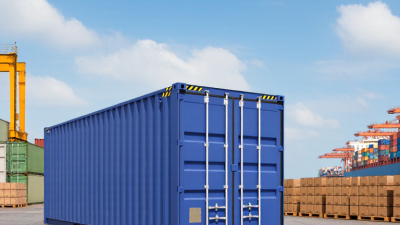
A 40-foot shipping container is a standardized steel cargo box designed for intermodal transport. It moves between ships, trains, and trucks without unloading the cargo. Under ISO 668, its external length is 12.192 meters, with a standard width of 2.438 meters. A standard unit offers about 67.7 cubic meters of internal space. Its practical payload often ranges from 26 to 28 metric tons, but the CSC safety plate remains decisive. Numbers can vary slightly.

The most common type is the 40-foot dry container. A 40-foot high-cube model adds about 30 centimeters of height and provides nearly 76 cubic meters. Refrigerated, open-top, and side-opening versions serve more specialized cargo.

Container xChange market updates in 2025 placed many new 40-foot dry containers around 2,000 to 4,500 U.S. dollars, depending on location, steel costs, and availability. Used units may cost less, but corrosion, floor damage, and door alignment affect the real value. Drewry’s Container Census 2025 also shows why supply balance matters: container production and fleet growth can influence regional prices quickly.

Tips: Measure the cargo first. Leave space for pallets, doors, and airflow. Check the tare weight and payload on the door plate. A high-cube container is not automatically better. It can waste money when the cargo is heavy but compact. UNCTAD’s Review of Maritime Transport 2024 highlights the scale of containerized trade, yet local depot conditions still matter more for one purchase. Get an inspection report. I would not trust photographs alone.

Which 40-Foot Shipping Container Types Are Available in 2026?

In 2026, 40-foot shipping containers are available in several practical types. The standard dry container suits boxed goods, furniture, and general cargo. A 40-foot high-cube model adds about 30 centimeters of internal height, helping with bulky or stacked loads. It is often the better choice for warehouse storage.

Refrigerated containers maintain controlled temperatures for approved food and industrial goods. Open-top units allow cranes to load tall cargo from above. Flat-rack containers support heavy, wide equipment, but loading plans must be checked carefully. Side-door models provide wider access, useful when forklifts cannot reach through the rear.

Prices vary by region, age, condition, and delivery distance. In 2026, used standard units may cost around 1,500 to 3,500 USD, while new units often range from 3,000 to 6,000 USD. Refrigerated and specialized types can exceed 10,000 USD.

Tips: Inspect the floor, roof, door seals, locking bars, and corner posts before payment. Ask for recent photos and a written condition report. Check the container’s external dimensions against your site. One overlooked detail can delay delivery. Prices are estimates, not fixed quotations. In my experience, transport charges sometimes cost more than expected, especially for inland destinations. A clean unit may still have dents, odor, or minor water marks, so inspection remains essential.

How Do 40-Foot Container Types Differ in Features and Uses?

A 40-foot container is not a single product. A standard dry container usually suits cartons, machinery, and palletized goods. Its internal length is about 12 meters, while a high-cube version adds roughly 30 centimeters of height. That extra space matters for lightweight, bulky cargo. Current 2026 market budgets often place used dry units near US$1,500–3,500, while new units may exceed US$4,000. Prices change sharply by port, age, and inspection results.

Cold-chain cargo needs a reefer, which includes an insulated body and powered temperature control. Drewry’s refrigerated shipping research continues to show strong demand for temperature-sensitive food and pharmaceuticals, but reefers cost more to buy and operate. A used 40-foot reefer may exceed US$10,000, with electricity and maintenance adding daily costs. Open-top containers help load tall machinery by crane. Flat racks handle oversized equipment, but cargo securing requires careful engineering. They are not interchangeable.

UNCTAD’s Review of Maritime Transport reports that container transport remains central to global merchandise trade, increasing pressure on equipment availability during disruptions. ISO 668 dimensions support compatibility, while CSC inspection requirements affect safe international use. A practical inspection should check door seals, floor damage, corner castings, and refrigeration performance. Small defects matter. I have seen buyers focus on the purchase price and miss inland delivery charges, which can add hundreds or thousands of dollars. That assumption deserves reconsideration. A cheaper unit is not always the lower-cost choice.

2026 Top 40ft Shipping Container Types and Prices

How do 40-foot container types differ in features and uses?

The chart shows indicative 2026 global purchase-price ranges in USD for commonly available 40-foot containers. Standard dry and high-cube containers are mainly used for general cargo and storage; open-top and flat-rack units support oversized or crane-loaded cargo; side-door units improve loading access; and refrigerated containers are designed for temperature-sensitive goods. Actual prices vary according to condition, age, certification, equipment, delivery distance, and regional supply.

What Are the 2026 Prices of Different 40-Foot Containers?

In 2026, a new 40-foot standard dry container typically costs about US$3,200–5,500. A 40-foot high-cube model often reaches US$3,800–6,200. These estimates reflect 2025–2026 equipment-market assessments and container manufacturing cost trends reported in the Container Census and international freight-index publications. Prices vary by steel costs, factory location, certification, and local inventory.

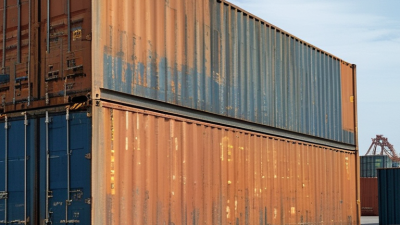
Used units are cheaper, but condition matters more than age. A wind-and-water-tight standard container may sell for US$1,500–3,500. Used high-cube units commonly range from US$1,800–4,000. Open-top and flat-rack containers usually cost US$6,000–12,000 because of specialized frames. Refrigerated 40-foot containers can exceed US$18,000 and reach US$35,000, depending on machinery hours and insulation performance.

Freight indexes mainly track transport rates, not container purchase prices. That distinction is easy to miss.

Tips: Ask for a current inspection report, CSC plate details, door-seal condition, floor repairs, and delivery charges. Measure the site before ordering. A low quote can become expensive after inland transport, crane hire, tax, and repainting. I would also allow a 10% contingency. Real quotations remain imperfect, especially during seasonal shortages.

How to Choose and Buy the Right 40-Foot Shipping Container?

Choosing a 40-foot container starts with the cargo, not the advertised price. A standard dry container suits boxed goods, equipment, and palletized materials. A high-cube model adds about 30 centimeters of interior height. That space matters for tall crates. Refrigerated units require power, temperature checks, and specialized maintenance. Open-side or open-top designs simplify loading, but they often cost more.

In 2026, regional prices commonly range from $1,500 to $3,500 for used standard units. New or one-trip units may cost $3,000 to $6,000. High-cube versions usually add a premium, while refrigerated containers can exceed $10,000. Treat these figures as working estimates. Port location, delivery distance, steel condition, and demand can change the final invoice. Ask for a written quote covering tax, transport, unloading, and inspection fees.

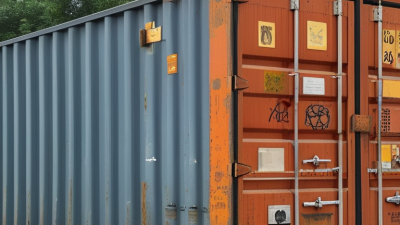
Before paying, inspect the roof, corner posts, door seals, floor, and locking bars. Stand inside during daylight. Measure twice. Small pinholes can become expensive problems. Check the identification plate and service history when available. Confirm the internal dimensions against your pallets, forklift access, and site space. Measure the delivery route, including gates, turning areas, and overhead cables. A common field mistake is choosing a cheaper unit, then facing repair and crane costs. Photos can mislead. Damp flooring, odors, or warped doors may remain hidden. An independent inspection is worth considering for high-value cargo.

Call free on
0800 1954 538