How to Buy a 10ft Shipping Container in 2026?
Buying a 10ft shipping container in 2026 looks simple until measurements, condition, delivery, and local requirements become important. A compact container may fit a narrow driveway, small workshop, or garden storage area. However, its smaller footprint does not remove the need for careful planning.
This guide explains how to compare new, used, and refurbished units with practical buying criteria. You will learn how to check steel panels, door seals, corner posts, flooring, ventilation, and lock hardware. A clean exterior can hide rust beneath the floor or around the roof seams. Look closely. Photos are useful, but an in-person inspection remains more reliable when possible.
Price should include more than the container itself. Ask for delivery, unloading, permits, ground preparation, taxes, and possible crane charges. Confirm the external and internal dimensions before ordering. A few centimeters can affect access through gates or placement beside a building. Supplier reputation also matters, so review clear specifications, written warranties, delivery records, and customer feedback. Some sellers offer attractive prices but vague condition grades. That is a warning worth taking seriously.
The right choice depends on your intended use, available space, budget, and regional climate. A dry-storage unit may require different features than a workshop or equipment shelter. Needs can change. Recheck your plan before payment, especially if the container will remain on your property for years. This article provides a practical framework for making a safer, more informed purchase in 2026.
Define Your 10ft Shipping Container Needs and Intended Use
Before buying a 10ft shipping container in 2026, define exactly what it must do. A compact unit can serve as tool storage, a garden workshop, an archive room, or an equipment shelter. It is not a universal solution. Measure every item, including handles, pallets, and space needed to open doors. Leave walking clearance inside. A crowded container becomes difficult to inspect and organize.
Write down the intended use, storage duration, and access frequency. Daily access may require shelving, lighting, ventilation, and a personnel door approved for the site. Sensitive materials may need insulation and moisture control, while ordinary tools may only need a dry, lockable enclosure. Check the internal dimensions carefully. External length does not equal usable space. A typical 10ft unit offers limited floor area, and published measurements can vary by design and condition.
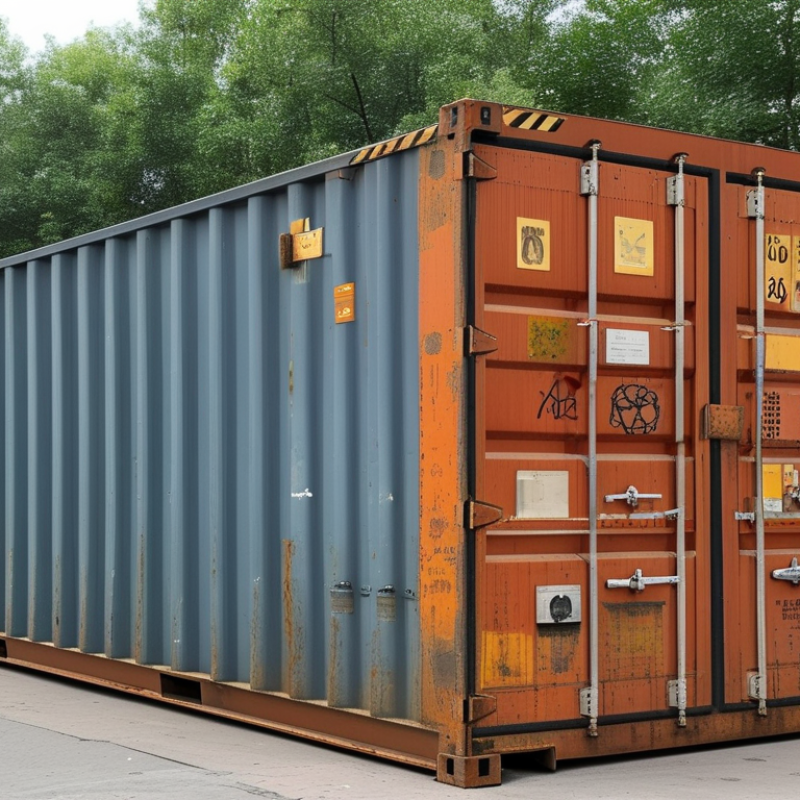
Inspect the floor, door seals, locking bars, roof, and corner posts before purchase. Surface rust may be manageable, but deep corrosion, water stains, or twisted doors require serious caution. Ask for recent photos, a condition report, payload information, and delivery requirements. Confirm that a truck can reach the placement area. The ground must be level and stable. I have underestimated accessory costs before. Ramps, shelving, ventilation, and maintenance can change the budget. Small details matter.
Compare New, Used, and Refurbished 10ft Container Options
When buying a 10ft shipping container in 2026, compare condition before price. New containers usually offer clean floors, unworn door seals, and consistent steel panels. They suit storage sites where appearance and predictable service life matter. However, delivery often costs more because a smaller unit still needs specialized handling.
Used containers can be economical, but inspect them carefully. Check the roof for dents, pinholes, and standing-water marks. Open both doors and test the locking bars. The floor should feel firm, without soft patches or strong chemical odors. Ask for dated photographs, repair records, and the container’s identification details. A low price means little if transport or repairs are excluded. Measure twice.
Refurbished units sit between these choices. A reliable refurbishment should include rust treatment, welded repairs, fresh seals, and protective coating. Ask what was replaced, not merely whether it was “refurbished.” I have seen attractive paint hide damaged lower rails, so inspect underneath when possible. It looks clean. That proves little. Also confirm the external dimensions, delivery access, ground support, and local placement requirements. A written quote should separate the unit, delivery, unloading, taxes, and any site preparation. Allow a small repair budget; even a carefully checked container may reveal minor issues after arrival.
Evaluate Sellers, Prices, Delivery Costs, and Site Accessibility
How to Buy a 10ft Shipping Container in 2026?
A 10ft container is compact, but it is not always cheaper per cubic metre. Recent container-market reports place used units around $1,500–$3,000, while new units often reach $2,500–$4,500. Prices depend on steel condition, flooring, doors, paint, and local inventory. Ask sellers for recent photographs, corner-post measurements, and a written inspection report. A low quote may hide repair costs.
Delivery can change the decision. Request separate prices for the container, transport, unloading, permits, and waiting time. Recent fuel data from the U.S. Energy Information Administration shows why haulage charges can shift quickly. A delivery truck needs a stable approach, turning space, and overhead clearance. Measure the gate first. Then measure again. A 10ft unit still needs lifting access.
UNCTAD’s Review of Maritime Transport 2024 confirms that over 80% of global trade moves by sea, supporting continued container availability but not uniform local pricing. The World Bank Logistics Performance Index 2023 also highlights infrastructure and shipment visibility as major logistics factors. Choose a seller who provides a delivery plan, condition grade, and arrival window. I would also request a site visit when possible. Online measurements are useful, but they can miss soft ground, narrow corners, or low cables. My imperfect rule is simple: budget 15% extra for surprises, because delivery rarely follows the first estimate exactly.
Complete the Purchase, Delivery, Inspection, and Installation Process
How to Buy a 10ft Shipping Container in 2026?
Buying a 10ft shipping container requires more than comparing online prices. Start by defining its purpose, such as storage, equipment protection, or a compact workspace. Ask for recent photos, dimensions, steel condition, door operation, and flooring details. A reliable seller should provide clear specifications and a written quotation. Confirm whether the price includes taxes, transport, unloading, and any preparation work.
Delivery planning can prevent expensive surprises. Measure the access route, gate width, overhead clearance, and final placement area. The truck may need firm ground and enough space to position the container safely. Before accepting delivery, inspect the roof, corners, seals, doors, floor, and interior for water stains or strong odors. Photograph every side. Do not rely only on the seller’s inspection notes.
Small dents are usually manageable, but twisted frames or leaking roofs may create future problems. I once underestimated turning space on a narrow site. That mistake delayed installation.
Tips:
Keep a checklist and bring a flashlight, tape measure, gloves, and a level. Confirm delivery timing one day ahead. Prepare level supports before arrival, rather than placing the container directly on soil. Check local planning, placement, and electrical requirements before modifying the unit. Installation should leave doors fully accessible and allow airflow underneath. If the container becomes a workspace, use qualified professionals for electrical, insulation, and structural changes. A rushed setup often costs more later.