Skip to content

30 Foot Shipping Container Dimensions and 7 Buying Tips?

A 30 foot shipping container can look like a simple steel box, but buying one requires careful judgment. Its length is the headline feature. Internal width, door height, roof shape, floor condition, and payload capacity matter just as much. Dimensions can vary between manufacturers and conversions, so published measurements should never replace a physical inspection.

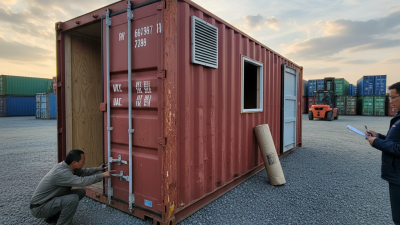
Shipping historian Marc Levinson wrote, “The container was not invented to save money; it was invented to save time.” That principle still matters today. A container with damaged doors, hidden corrosion, or a weak floor can quickly erase an attractive purchase price. In practical sourcing work, I have seen buyers focus on external paint while missing water stains beneath the plywood floor. A costly mistake.

This guide explains typical 30 foot shipping container dimensions and presents seven practical buying tips. It considers exterior and interior measurements, usable storage space, door clearance, ventilation, delivery access, certification, and condition grades. You will also see why site preparation matters. A narrow driveway or soft gravel area can turn delivery into a difficult operation.

Measure twice.

Expect some uncertainty. Manufacturers may describe “usable length” differently, and modified units may not match standard specifications. Ask for photographs, inspection notes, and exact measurements before paying. Confirm the container’s intended use, delivery route, lifting requirements, and local planning rules. These checks are less exciting than choosing a color, but they protect your budget and your project.
30 Foot Shipping Container Dimensions and 7 Buying Tips?

What Is a 30-Foot Shipping Container?

What Is a 30-Foot Shipping Container?

A 30-foot shipping container is a steel storage unit between common 20-foot and 40-foot models. It usually measures about 30 feet long, 8 feet wide, and 8 feet 6 inches high externally. However, dimensions can differ after modification or refurbishment. Internal space is slightly smaller because of the steel walls, roof, and door frame. A typical unit offers roughly 560 to 600 cubic feet of usable storage. That can hold furniture, tools, pallets, or workshop equipment. Not everything fits neatly.

From practical inspections, the floor condition deserves close attention. A damp smell, soft plywood, or fresh paint may hide water damage. Door seals should sit evenly against the frame. Check the roof for dents that collect rain. Ask for tare weight, maximum payload, manufacturing year, and repair records. Measurements should be confirmed before delivery, especially when a narrow driveway or overhead wire is involved.

Buying tips: Measure your site first, including turning space for the delivery vehicle. Compare internal dimensions, not only the advertised length. Inspect corners, locking bars, hinges, and ventilation openings. Confirm whether the floor is suitable for your intended load. Request clear photos of the roof and underside. A used container can be economical, but repair costs are easy to underestimate. Rust is not always serious. Deep corrosion is. Consider ground support, drainage, and local placement requirements before ordering.

30 Foot Shipping Container Dimensions and 7 Buying Tips? - What Is a 30-Foot Shipping Container?
Category Specification or Buying Consideration Typical Information
What It Is Container type A steel freight container approximately 30 feet long, commonly used for storage, cargo transport, workshops, and site applications. Exact specifications vary because 30-foot units are less standardized than 20-foot and 40-foot containers.
External Dimensions Length × width × height Approximately 30 ft × 8 ft × 8 ft 6 in (9.14 m × 2.44 m × 2.59 m). Confirm the seller’s drawings before planning transport or installation.
Internal Dimensions Usable length × width × height Typically about 29 ft 4 in × 7 ft 8 in × 7 ft 10 in (8.94 m × 2.34 m × 2.39 m). Interior dimensions are reduced by the steel walls, roof structure, and doors.
Door Opening Width × height Often approximately 7 ft 8 in × 7 ft 5 in (2.34 m × 2.26 m) for standard-height units. Door dimensions can differ by design and refurbishment history.
Internal Volume Approximate cubic capacity Approximately 56–60 m³ (about 1,980–2,120 ft³), depending on the actual interior dimensions and wall construction.
Tare Weight Empty container weight Typically about 3,500–4,500 kg (7,700–9,900 lb). The identification plate should be used as the final reference.
Payload Capacity Maximum cargo weight Often approximately 26,000–27,000 kg (57,300–59,500 lb), subject to the container’s maximum gross weight, tare weight, local road limits, and cargo distribution.
Construction Materials and structure Usually weather-resistant steel with corrugated side panels, a steel frame, treated timber or composite flooring, locking bars, and rubber door seals.
Buying Tip 1 Verify the exact dimensions Request external and internal measurements, door-opening dimensions, corner heights, and a specification sheet. Do not rely on the “30-foot” label alone.
Buying Tip 2 Inspect the roof and side panels Check for holes, corrosion, dents, repaired patches, daylight penetration, and areas where water may collect.
Buying Tip 3 Examine the floor Look for soft spots, rot, chemical contamination, excessive moisture, damaged boards, and evidence of pest infestation.
Buying Tip 4 Test the doors and seals Both doors should open, close, and lock smoothly. Inspect gaskets, hinges, locking bars, and the threshold for deformation or missing parts.
Buying Tip 5 Choose the right condition Newer or lightly used units generally provide better appearance and fewer repairs, while used units may cost less but require a more careful inspection.
Buying Tip 6 Plan delivery and site access Measure gates, roads, overhead cables, turning areas, ground conditions, and unloading space. Confirm the delivery vehicle and lifting method in advance.
Buying Tip 7 Check compliance and total cost Confirm the identification plate, maximum gross weight, ownership documents, local permits, delivery charges, foundations, modifications, and applicable building or fire regulations.
Important note: A 30-foot shipping container is not as universally standardized as common 20-foot and 40-foot models. Dimensions, weight ratings, flooring, door configuration, and condition may vary. Always verify the individual unit’s specification plate and measurements before purchase, loading, transport, or construction use.

Standard Exterior, Interior, and Door Dimensions

30 Foot Shipping Container Dimensions and 7 Buying Tips?

A standard 30-foot shipping container usually measures 30 feet long, 8 feet wide, and 8 feet 6 inches high externally. Its internal space is commonly about 29 feet 4 inches long, 7 feet 7 inches wide, and 7 feet 9 inches high. The rear door opening often measures approximately 7 feet 8 inches wide and 7 feet 5 inches high. These figures can change with age, repairs, flooring, and construction standards.

Measure twice.

Check the exact unit before paying. Ask for current photographs, inspect roof seams, and look for deep rust around corner posts. Test both doors. Their seals should close firmly without excessive force. Examine the wooden floor for soft areas or chemical odors. Confirm the container’s empty weight and allowable payload with the seller. Also measure your driveway, gate, turning space, and unloading area. A truck may need more clearance than expected. Delivery problems are expensive.

A taller version may provide about 9 feet 6 inches of exterior height, but it needs additional overhead clearance. Do not rely only on advertised dimensions. Internal wall ribs, door bars, and repaired sections reduce usable space. I once underestimated door clearance by only a few inches; that mistake changed the entire loading plan. It is worth checking the measurements yourself, even when the paperwork appears complete. A written quote should identify dimensions, condition, delivery costs, and any inspection terms.

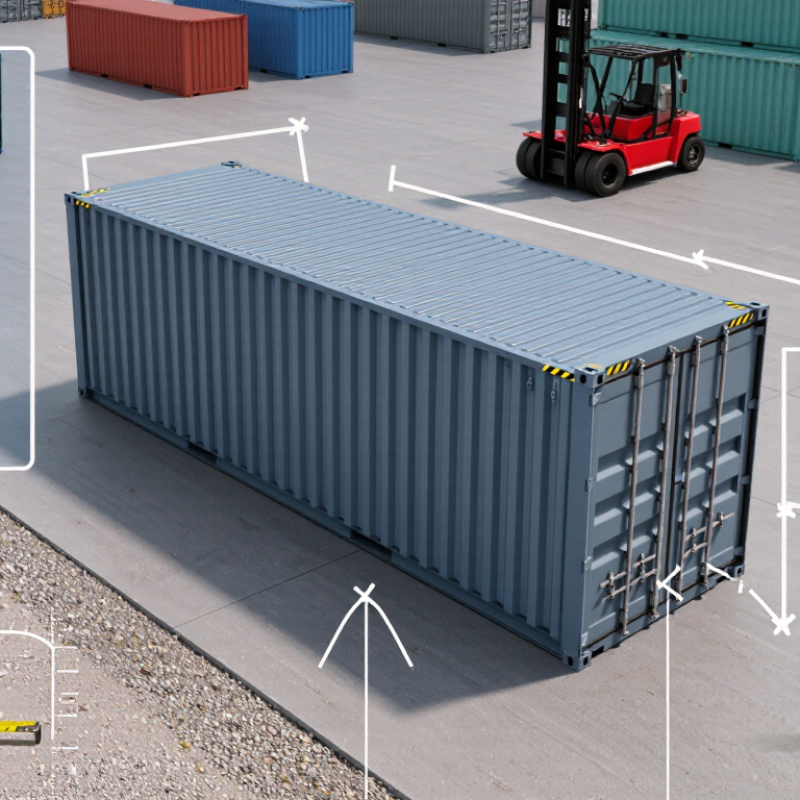
30-Foot Shipping Container Dimensions

Standard exterior, interior, and door dimensions shown in inches

A typical 30-foot standard-height container is approximately 360 inches long, 96 inches wide, and 102 inches high externally. Usable interior space is reduced by the wall and roof structure, while the door opening is narrower and lower than the exterior height. Actual measurements may vary slightly by manufacturer, construction year, and container configuration.

Capacity, Weight Limits, and Common Configurations

A 30-foot shipping container usually measures about 30 feet long, 8 feet wide, and 8 feet 6 inches high externally. Internal dimensions vary by manufacturer and construction, but usable space often reaches 1,700 to 1,900 cubic feet. A high-cube version adds roughly one foot of height. That extra clearance helps with shelving, equipment, or stacked cartons.

Payload limits require careful checking. Many units support approximately 28,000 to 30,000 kilograms of cargo, but the container’s gross weight rating controls the real limit. Subtract the empty container weight before planning your load. Common configurations include standard dry containers, high-cube units, open-side designs, and open-top models. Availability can be inconsistent. A clean exterior can still hide a damaged floor.

Tips:

  1. Confirm external and internal dimensions in writing.
  2. Request the tare, maximum gross weight, and payload ratings.
  3. Inspect door seals, hinges, locking bars, and corner posts.
  4. Check the floor for soft areas, stains, or chemical odors.
  5. Ask whether repairs were completed and documented.
  6. Measure your largest item, including pallets and protective packaging.
  7. Confirm delivery access, ground clearance, and placement requirements.

Do not rely on photographs alone. Visit the unit when possible. A small dent may be harmless, while a twisted frame can create expensive problems. I would also leave a little capacity unused; perfect weight estimates rarely survive real loading conditions.

How to Choose the Right 30-Foot Container

A 30-foot shipping container offers a useful middle ground for storage, transport, and site projects. Its exterior length is usually about 30 feet, while the width stays near 8 feet. Standard exterior height is around 8 feet 6 inches. Internal measurements vary by manufacturer and construction. Check the exact specification sheet before planning shelves, machinery, or pallets.

Tips: Measure your largest item, including handles and packaging. Confirm the door opening, not only the internal length. Inspect the floor for soft areas, stains, and chemical odors. Examine roof seams for rust or previous repairs. Ask about wind and watertight certification. Review delivery access, turning space, and ground stability. Compare the total cost, including transport, unloading, taxes, and preparation. Small oversights become expensive quickly.

Choose the height carefully. A high-cube model provides extra headroom, but it may not suit low-clearance sites. Used containers can offer value, although condition differs sharply. I have seen clean-looking units hide damaged door seals beneath fresh paint. That detail matters. Request recent photos, inspection records, and clear measurements before payment. Leave ventilation space around stored goods, especially in humid climates. Local building rules may also affect placement, foundations, and long-term use.

Seven Essential Tips for Buying a 30-Foot Container

A 30-foot shipping container offers useful capacity, but its dimensions can vary slightly. Exterior length is commonly about 30 feet, while interior space may be narrower than expected. Confirm the supplier’s drawing before paying.

Tip one: measure your available site, including turning space and overhead clearance. Tip two: inspect the container in daylight. Look for rust, dents, holes, and repaired seams. A fresh coat of paint can hide trouble.

Tip three: examine the floor carefully. Soft boards, chemical odors, or deep stains deserve questions. Tip four: open and close both doors several times. Hinges should move smoothly, and the rubber seals should sit evenly.

Tip five: check the roof from inside for pinholes or daylight. Small leaks become expensive after insulation and interior finishing. Take photographs during inspection.

Tip six: plan delivery before purchase. A loaded container needs firm ground, suitable access, and enough room for unloading equipment. Ask about ventilation, wind exposure, and local placement requirements.

Tip seven: review the written quote, inspection records, dimensions, delivery charges, and refund terms. Do not rely on a verbal promise. Condition grades are useful, but they are not perfect. My checklist can miss hidden corrosion, so an independent inspection is sensible for a costly purchase. Ask about the door height, payload rating, floor treatment, and inspection plate before signing.

Call free on
0800 1954 538