Skip to content

40 ft Container Tips for Global Buyers What You Need to Know?

When navigating the complexities of global trade, understanding the nuances of a 40 ft container is crucial. Expert logistics consultant, Sarah Thompson, emphasizes, “The right container can make or break your shipment.” In a world where efficiency and cost-effectiveness are paramount, the choice of container impacts delivery times and overall expenses.

The 40 ft container remains a preferred option for many buyers due to its capacity and versatility. However, not all containers are created equal. Many overlook essential factors like container condition and suitability for specific cargo. Such oversights can lead to shipping delays and unexpected costs.

Buyers should also be aware of varying regulations across different countries. These can affect how and when your goods arrive. It’s wise to consult with experts and conduct thorough research. The logistics of using a 40 ft container demand careful consideration and planning. Building this knowledge can prevent potential issues and improve your global trade experience.
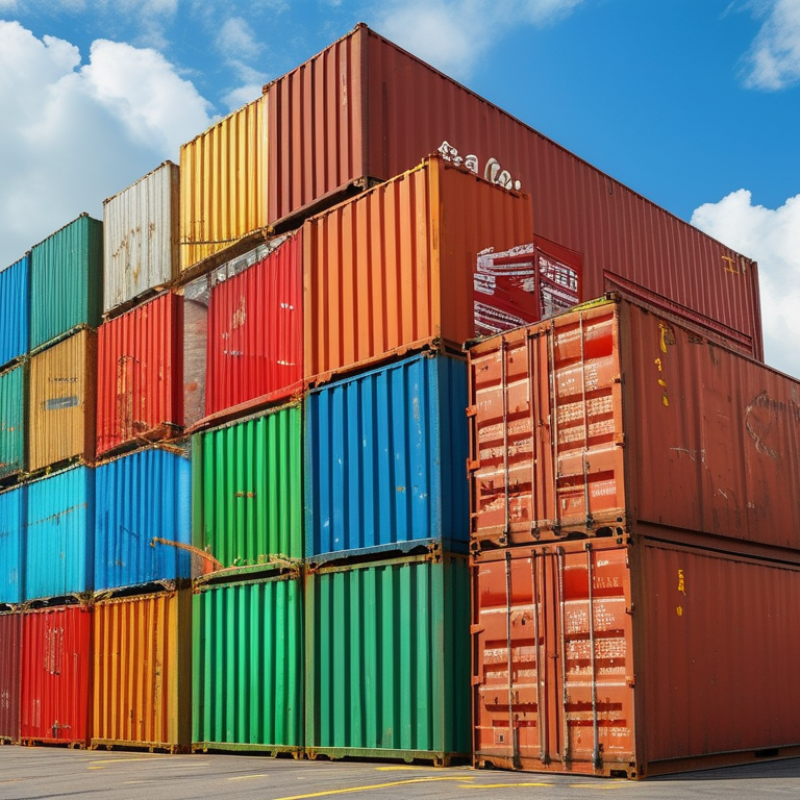
40 ft Container Tips for Global Buyers What You Need to Know?

Understanding the Basics of 40 ft Containers for Global Shipping

When engaging in global shipping, understanding the basics of 40 ft containers is crucial. These containers, commonly used for transporting goods internationally, offer a standard size that accommodates a variety of cargo. A 40 ft container typically has a capacity of about 2,390 cubic feet and a maximum payload of around 26,000 pounds. This makes it an ideal choice for a wide range of shipments, from machinery to perishable goods. Reports indicate that approximately 90% of global trade relies on container shipping, underscoring the importance of these containers in the logistics industry.

However, there are challenges associated with using 40 ft containers. The weight limitations often force shippers to make tough decisions about the type and quantity of products they transport. Miscalculating cargo weight can lead to increased shipping costs or delayed transit times. Additionally, the dimensions of 40 ft containers vary slightly depending on the fleet operator, which can be confusing for buyers. Keeping up with industry standards is essential for efficient global trade. Ensuring compliance with international shipping regulations adds another layer of complexity.

Transparency in container sourcing is also an issue. Buyers must verify the reliability and condition of containers before making purchases. Hidden damage can escalate shipping expenses significantly. Recent studies show that up to 30% of containers may experience issues that are not apparent at first glance. Engaging experienced professionals who understand these nuances can save time and money in the long run. Effective communication with shipping partners is key to navigating these challenges successfully.

40 ft Container Shipping Costs by Region

Key Specifications and Dimensions of 40 ft Containers

When considering a 40 ft container, it’s essential to understand its specifications and dimensions. A standard 40 ft shipping container typically measures 40 feet in length, 8 feet in width, and 8.5 feet in height. This results in a total volume of about 2,390 cubic feet. Moreover, the maximum payload capacity usually ranges from 26,000 to 30,000 pounds, depending on the container type. This information is crucial for effective space planning and load calculations.

The importance of container weight limits cannot be overstated. Exceeding these limits may result in additional fees and transportation challenges. Industry reports indicate that improper loading can lead to container damage. Furthermore, it affects compliance with weight regulations in various countries. Ensuring that cargo distribution matches container specifications is vital for safe shipping.

It’s also noteworthy that not all 40 ft containers are the same. Variants exist, such as high cube containers that offer extra height, providing more volume for cargo. However, this added space may also come with complications regarding loading and securing. Buyers should remain aware of these nuances to avoid potential pitfalls in their shipping processes.

Common Uses and Applications of 40 ft Containers in Trade

The use of 40 ft containers in global trade has become increasingly common. These containers serve diverse purposes, reflecting their versatility. They are primarily used for shipping goods across oceans, facilitating trade between countries. Many businesses prefer 40 ft containers for their larger capacity, which allows for the transport of bulk items. This can include everything from furniture to machinery, optimizing logistics for various industries.

Transporting delicate goods can be challenging. While 40 ft containers offer safety and protection, they are not always impervious to mishaps. The risk of damage during transport remains, especially if proper packing methods are not employed. It’s crucial to assess whether additional cushioning or climate control is needed for sensitive items. Certain goods may require specific container types to ensure safety and compliance.

Many companies underestimate the importance of accurate measurement. Misjudgments in space can lead to costly shipping inefficiencies. Understanding the weight limits is essential, as overloading can result in penalties or delays. Buyers and sellers alike should keep these factors in mind. Reflecting on past experiences can provide valuable insights for future shipments. Being aware of these common challenges can help optimize container use in global trading.

Important Considerations When Sourcing 40 ft Containers

Sourcing a 40 ft container requires careful planning and knowledge. Buyers must consider dimensions, weight, and material. Ensure the container meets your specific needs. Look for corrosion-resistant materials for durability. Consider the container's intended use, like shipping or storage.

Inspecting the container before purchase is crucial. Check for structural integrity and signs of wear. Look for rust or dents that might affect usability. Sometimes, containers may have hidden issues that can surface later. It’s essential to verify the supplier's credibility. Ask for references and review their history to gain trust.

Make sure to familiarize yourself with shipping regulations. Different countries have varying rules regarding container use. Being compliant can save time and money. Keep in mind, the resale value of containers fluctuates. Understand these dynamics to maximize your investment. Always be ready to adjust your plans based on market changes.

Tips for Evaluating and Selecting Suppliers for 40 ft Containers

When evaluating and selecting suppliers for 40 ft containers, consider a few critical factors. The reliability of suppliers can often be gauged through industry reports and performance metrics. For instance, according to the Container Owners Association, around 80% of container damage occurs during transit due to inadequate handling. Therefore, identify suppliers with a solid reputation for maintaining container integrity.

Examining production capacity is vital. The International Maritime Organization reports that container shipping represents over 80% of global trade by volume. Suppliers should demonstrate they can meet your demand without compromising on quality or timeliness. Poor communication can lead to misunderstandings about delivery schedules and container specifications. Ensure potential suppliers can provide clear, timely updates throughout the process.

Assessing certification and compliance is equally important. Regulatory compliance might vary according to regions. Not all suppliers adhere to international standards. Therefore, verify that they have the necessary certifications. Engage in discussions about past projects. Look for a supplier who understands your needs and can showcase similar successful cases. Trust and transparency in supplier relationships can significantly boost your operational efficiency.

40 ft Container Tips for Global Buyers

Criteria Description Importance
Supplier Experience Years in the market and industry knowledge. High
Quality Standards Certifications and testing procedures for containers. Very High
Pricing Cost vs. value comparison of different suppliers. Medium
Delivery Time Estimated time for production and shipping. High
Customer Support Availability and responsiveness of the supplier. High
References and Reviews Feedback from previous customers and projects. High
Customization Options Ability to modify container specifications as needed. Medium
After-Sales Service Warranty and support offered post-purchase. Medium
Call free on
0800 1954 538