Skip to content

What Is the Best 10 Foot Storage Container in 2026?

Choosing the best 10 foot storage container in 2026 depends on more than price or appearance. A compact unit must protect tools, furniture, seasonal equipment, or business inventory through changing weather. Its steel construction, door seals, ventilation, locking system, and floor strength all deserve close attention. A container can look solid outside and still collect moisture inside.

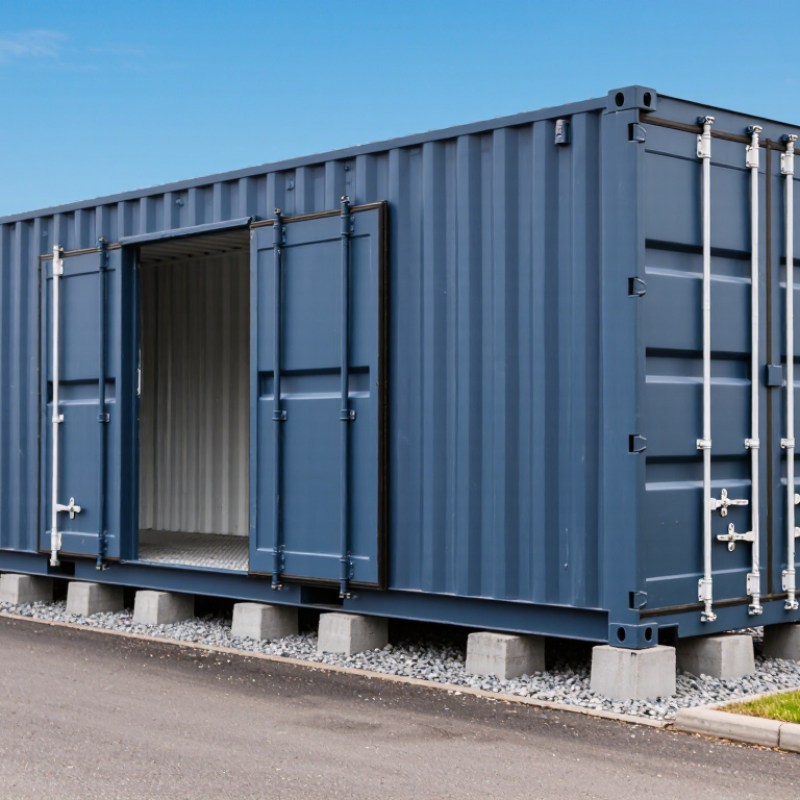
From practical inspections, the smallest details often matter most. Check the door swing before delivery. Measure the access path, not just the storage area. A narrow gate, low branch, or uneven driveway can create an expensive problem. The container should sit on level supports, such as concrete blocks or prepared gravel. Poor placement may cause doors to stick and water to gather beneath the floor.

There is no single best model for every buyer. That is worth admitting. A homeowner may value clean appearance and easy access, while a contractor may need stronger flooring and frequent loading. In 2026, buyers should also compare refurbished and new containers carefully. Refurbished units can offer excellent value, but repairs may be less consistent. New units usually provide cleaner surfaces and predictable specifications, though they may cost more.

Look closely. Ask clear questions about dimensions, delivery, condition, and warranty coverage. Reliable sellers should explain their grading standards without vague promises. This guide examines the most important features, common weaknesses, and realistic use cases. The goal is not to promote one container blindly. It is to help you choose a durable 10 foot storage container that fits your space, budget, and actual storage habits.
What Is the Best 10 Foot Storage Container in 2026?

What Defines a 10-Foot Storage Container?

A 10-foot storage container is named for its approximate outside length, not the space available inside. Many units measure about 10 feet long, 8 feet wide, and 8.5 feet high externally. Wall thickness, flooring, and door hardware reduce usable room. Small difference. Exact dimensions vary by design, so check the supplier’s specification sheet before planning a tight fit.

Inside, a typical unit may offer roughly 9 feet of length and under 8 feet of width. That can hold garden tools, seasonal furniture, or several rows of labeled boxes. Picture a narrow aisle down the middle. A bulky sofa or wide shelving unit may not pass through the doors, even when the interior volume seems sufficient.

Measure the largest item and the doorway, not just the room.

“Storage container” also describes units with different construction and features. Some are modified shipping containers; others are made specifically for storage. Look for sound door seals, an even floor, and ventilation that suits the items being stored. Check corners and roof seams for signs of water entry.

A clean exterior can hide a damp interior. One detail buyers sometimes overlook: stated capacity rarely accounts for awkward shapes or access space. A simple floor plan, drawn with a tape measure, can expose a poor fit before delivery.

How to Compare Materials, Design, and Storage Capacity

A 10-foot storage container is compact, but usable space depends on more than its outside length. Compare steel thickness, roof seams, door seals, and floor construction. Corrugated steel panels resist dents better than thin flat sheet, while a sound coating helps limit corrosion. The World Steel Association reports that roughly 630 million tonnes of steel are recycled each year. That supports steel’s circularity, but it does not tell you how long a particular container will last. Inspect welds and hinges in person when possible.

Capacity figures can mislead. For example, an interior measuring 9.3 by 7.7 by 7.5 feet holds about 537 cubic feet before shelves or stored items reduce the usable space. Measure the door opening too; a bulky cabinet may not fit, even when the volume seems adequate. Check the floor’s rated load and look for ventilation openings if storing items sensitive to condensation. I would not assume every “10-foot” model has identical dimensions. Measure twice.

Tips: Sketch the largest items and aisle space before choosing. Ask for interior measurements, door clearance, and floor-load specifications in writing. A dry floor matters more than a generous cubic-foot figure.

What Is the Best 10-Foot Storage Container in 2026? — How to Compare Materials, Design, and Storage Capacity
Container Type Typical Construction Approximate Usable Capacity Weather and Condensation Control Security and Access Best Suited For Key Trade-Off
Standard 10-Foot Steel Container Corrugated, coated steel walls; steel frame; timber or composite floor. External dimensions are commonly about 10 × 8 × 8.5 ft, but vary by design. Approximately 500–550 cubic feet. Internal dimensions and usable volume vary among units. Good rain protection when doors, seals, and roof are in sound condition. Steel can develop interior condensation during temperature changes; ventilation and moisture control may be needed. Heavy steel doors and locking hardware provide a strong baseline. A protected lock box can make the padlock harder to attack. Tools, equipment, boxed goods, and general-purpose outdoor storage. Durable and widely adaptable, but not temperature-controlled and can become hot, cold, or damp inside.
Insulated Steel Container Steel exterior with insulation and interior lining; may include improved door seals and ventilation features. Often around 450–520 cubic feet, depending on insulation thickness and interior finish. Better resistance to heat transfer than an uninsulated unit. Insulation alone does not guarantee humidity control; ventilation or a dehumidifier may still be needed. Typically retains steel-container doors and locking points; security depends on the door and lock configuration. Items that are more sensitive to temperature swings, such as furniture, electronics, and household belongings. Improved interior comfort, but less internal space and usually higher purchase or rental cost than a basic steel unit.
Steel Container with Shelving and Lighting Standard steel shell fitted with anchored shelves, interior lighting, and sometimes additional ventilation. Usually close to the standard unit’s shell volume, but floor-level space is reduced by shelving. Effective capacity depends on shelf layout. Similar to a standard steel container unless insulation, vents, or moisture-control features are added. Can provide the same strong door and lock options as a standard steel unit. Shelves improve organization but do not increase security. Frequently accessed tools, maintenance supplies, and smaller items that benefit from organized storage. Faster access and better use of vertical space, but shelves reduce clear floor area and may limit storage of large objects.
High-Cube 10-Foot Steel Container Steel construction similar to a standard unit, with a taller profile where this size is available. Typically offers more volume than a standard-height 10-foot unit; confirm the exact internal height and dimensions before purchase. Comparable to a standard steel container unless additional insulation or ventilation is specified. Usually uses steel cargo doors. Check door hardware, lock protection, and the container’s condition. Bulky or stackable items that benefit from extra vertical clearance. Additional height can improve capacity, but may affect transport, site clearance, and placement requirements.
Ventilated Steel Container Steel shell with passive vents or other airflow openings, sometimes combined with a moisture-control plan. Generally similar to a standard unit; vents have little effect on nominal volume. Airflow can help reduce trapped moisture and stale air. Vents do not provide climate control and should be suited to the local weather and stored items. Security is primarily determined by the doors, hinges, and locking hardware; vent openings should be appropriately protected. Equipment and goods that need airflow, especially where moisture buildup is a concern. Improved ventilation may help manage condensation, but the interior is more exposed to outside temperature and humidity.
How to Choose Compare the actual internal dimensions, steel condition, floor condition, door seals, ventilation, and any insulation or fittings. Use internal length × width × height as a rough volume estimate, then allow for aisles, shelves, packaging, and access space. Match moisture and temperature features to the sensitivity of the stored items and the local climate. Inspect the locking points and doors in person where possible; confirm that the unit can be placed securely on the intended site. Choose based on what will be stored, how often it will be accessed, and the available site space. Dimensions, capacity, insulation, and security features vary by unit. Verify the seller’s specification and inspect the specific container before committing.

Which Security and Weatherproofing Features Matter Most?

Choosing the best 10-foot storage container in 2026 starts with security and weatherproofing, not appearance. A sturdy steel body should resist cutting, bending, and forced entry. Look for reinforced door hinges and protected locking points. A covered hasp makes tampering harder. Use a high-quality weather-resistant padlock.

A reliable container needs a raised, sealed threshold. This helps stop rainwater from entering during heavy storms. Door gaskets should remain flexible through heat, cold, and repeated opening. Check the roof seams carefully. Continuous welds usually offer better protection than thin, poorly finished joints. Ventilation matters too, because trapped moisture can damage tools, boxes, and furniture.

I once inspected a small container after several weeks of rain. The lock stayed dry, but condensation formed inside. That detail changed my view of “weatherproof.” A container can block rain and still need airflow. Vents with insect-resistant covers are useful. Internal shelving should stay away from exterior walls. Keep valuables in sealed bins, even inside a weatherproof unit. Never assume factory claims replace a physical inspection. Check the floor, corners, drain paths, and door alignment before payment. A slightly imperfect seal may seem minor, yet wind-driven rain can find it quickly. Security also depends on placement, lighting, and a level foundation. The best choice is the container that matches local weather, storage habits, and realistic maintenance.

How to Evaluate Portability, Placement, and Installation Needs

Choosing the best 10-foot storage container starts with movement, not capacity. A typical unit offers about 80 square feet of floor space. ISO 668:2020 helps standardize container dimensions, but smaller storage units may differ. Confirm the actual width, height, door swing, and empty weight before ordering. The 2024 Self Storage Association Demand Study reported 14.5 million U.S. households used self-storage in 2023. That demand makes convenient access increasingly important. Measure gates, driveway corners, overhead branches, and delivery-truck clearance. A container that fits the yard may not fit the route.

Placement affects safety and long-term performance. Choose compacted, level ground with drainage away from the doors. Avoid soft soil, flood-prone areas, and locations beneath unstable trees. FEMA’s National Risk Index evaluates 18 natural hazards, so local exposure deserves more attention than a simple price comparison. Leave working space around the doors. Keep access practical. OSHA 29 CFR 1910.176 requires stored materials to remain stable and secure against sliding or collapse. The same principle applies during installation. Use rated supports or a prepared base when the ground is uneven. Do not improvise with loose blocks; that shortcut can create door binding and floor stress. I would also recheck the site after heavy rain. This step is easy to skip, and that is a weakness in many installation plans. A portable unit is only truly portable when delivery, placement, maintenance, and future removal are all realistic.

How to Choose the Best 10-Foot Storage Container in 2026

Choosing the best 10-foot storage container in 2026 starts with the site, not the advertised price. Measure the pad, access lane, turning space, and overhead clearance before ordering. A unit may be listed as 10 feet long externally, while its usable interior is shorter. Ask for verified inside dimensions, door width, floor height, and empty weight. Small gaps matter.

Inspect the steel panels, roof seams, door hinges, and locking area carefully. Look for even welds, intact seals, and a floor without soft spots or deep stains. Weather-resistant paint helps, but it does not replace regular inspection. Ventilation openings can reduce condensation, especially when temperatures change quickly. I would choose a raised, level foundation rather than placing the container directly on soil. That prevents standing water and uneven doors.

Think about daily access, not only storage capacity. Double doors can make bulky equipment easier to move, while a single door may preserve more wall space. Check whether the door opens fully beside a fence or building. Delivery conditions also deserve attention, including truck access and ground strength. One common mistake is buying extra height without checking overhead clearance. I have also underestimated aisle space inside; packed boxes become difficult to reach. A reliable supplier should provide recent photos, clear specifications, delivery terms, and an inspection policy in writing. If those details remain vague, pause before paying.

Call free on
0800 1954 538