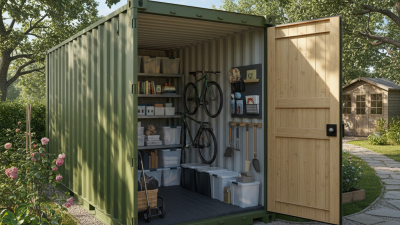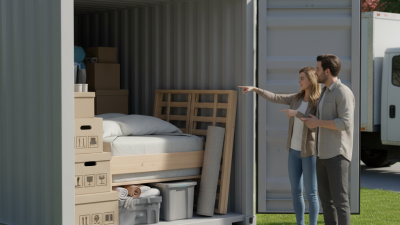
Choosing the right 10x10 storage container is more complicated than comparing prices. Buyers must examine dimensions, steel thickness, door placement, ventilation, weather resistance, delivery access, and regional availability. A container that looks sturdy online may arrive with weak hinges, poor seals, or limited airflow. Small details matter.
Maya Chen, a container logistics consultant with experience in portable storage projects, says, “A good container protects your belongings, but a great one also fits the site, climate, and daily routine.” That practical view guides this worldwide comparison. The best option for a coastal property may need stronger corrosion protection. A model used in a cold warehouse may require different insulation and floor protection. Rural buyers may also face narrow roads, soft ground, or difficult crane access.
This guide reviews ten leading 10x10 storage container choices for sale worldwide. It considers construction quality, security features, customization, transport requirements, maintenance, and overall value. Some products are not perfect. That deserves honest attention. A lower price can hide expensive delivery or repairs. A premium finish may offer little benefit in a dry, private location.
Expect clear comparisons and realistic buying advice. We focus on safe storage, lawful use, and dependable installation. Before ordering, measure the placement area carefully. Check local access conditions. Confirm the internal dimensions, because advertised sizes can be confusing. A few extra minutes of checking may prevent a very costly mistake.
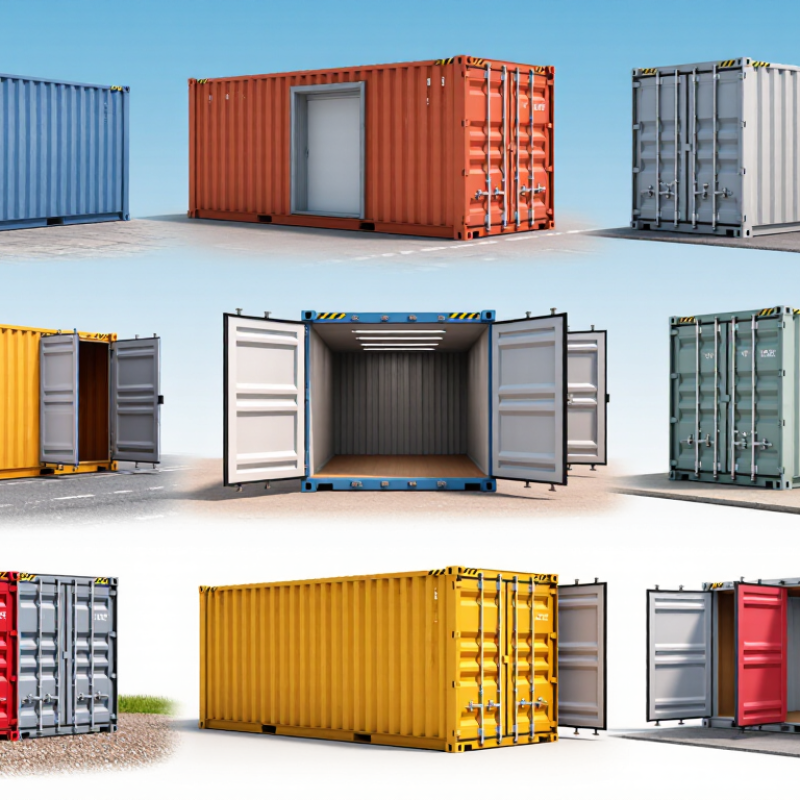
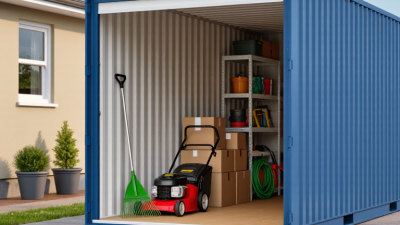
A 10x10 storage container provides 100 square feet of floor space, equal to a 10-foot by 10-foot footprint. With an eight-foot interior height, it can hold up to 800 cubic feet of air space. That volume suits household boxes, tools, seasonal equipment, and compact business inventory. Picture a small room with stacked cartons, shelving, and a clear walking path.
Actual capacity can be lower. Wall thickness, roof shape, door placement, and interior framing reduce usable space. A container listed as 10x10 may also have slightly different external measurements. Check internal dimensions before ordering. Confirm the door width, floor rating, ventilation, weather seals, and corrosion protection. These details matter more than attractive photos. In my experience, buyers often measure floor space but forget vertical access. That mistake makes loading awkward.
Tips: Use sturdy shelves along one wall, leaving a central aisle for safer movement. Measure your largest item, including handles and packaging. Keep heavy equipment low and distribute weight across the floor. Ask the seller for internal dimensions, empty weight, delivery requirements, and regional compliance documents. A level foundation helps prevent door alignment problems. It is easy to overlook this. Also, allow a little unused space; a completely packed container becomes difficult to inspect, clean, or reorganize.
Choosing a 10x10 storage container starts with one technical question: does “10x10” describe the footprint or the storage area? A true 10-foot unit is about 3,048 mm long, while ISO 668:2020 standardizes common Series 1 lengths at 6,058 mm and 12,192 mm. Standard external width is 2,438 mm. Measure carefully.
Steel models suit tools, machinery, and general inventory. Their rigid walls resist impact, but ventilation and corrosion protection require attention. Insulated models use sandwich panels to reduce heat transfer; however, insulation does not replace temperature monitoring. Portable units need lifting points, verified tare weight, and stable ground. Flat-pack containers save transport space and assemble quickly, yet their joints may need more inspection after repeated relocation.
The UNCTAD Review of Maritime Transport 2024 reported container ship capacity above 28 million TEU worldwide, showing why standardized dimensions remain commercially important. ISO 668 limits also help buyers compare doors, corner fittings, and handling equipment across suppliers. Still, a 10x10 product may not be ISO-compliant if its width, corner castings, or stacking geometry differ. That detail is easy to miss.
For outdoor placement, check roof loading, door clearance, floor rating, and local wind exposure. A practical inspection should record internal dimensions, steel thickness, seal condition, and ventilation openings. Product listings often state rounded measurements. That is not enough. Request a dimensional drawing and a recent inspection report before purchase.
When comparing 10x10 storage containers worldwide, security needs more than thick steel walls. Ask whether the complete door assembly has been tested under CEN EN 1627. This standard classifies resistance against defined manual attack methods.
RC2 suits basic protection against opportunistic attempts.
RC3 offers stronger resistance and usually deserves attention for valuable equipment.
A higher class is not automatically better for every site.
Review the door frame, hinges, locking points, and cylinder together. A strong lock can fail when the surrounding steel flexes. Consider protected hasps, concealed hinges, anti-drill cylinders, and multi-point locking systems. Electronic locks may improve access records, but they still need mechanical backup and weather protection.
For outdoor use, check corrosion resistance and drainage around the threshold. Certification details can be confusing, and a container may not hold an EN 1627 rating as a complete unit.
Request the exact test report, covered components, and installation conditions.
Tips: Match the resistance class to the location, contents, and insurance requirements. Confirm whether the rating applies to the full container or only its door. Test key access during cold, wet, and dusty conditions. A lock that works perfectly indoors may become unreliable outside. Also inspect spare keys, emergency access, and maintenance needs before purchase.cutente
When comparing the 10 best 10x10 storage containers for sale worldwide, weather protection deserves careful testing. A steel unit may look sealed, yet small roof joints can admit rain, dust, and salty air. The NACE IMPACT study estimated global corrosion costs at about US$2.5 trillion annually, equal to roughly 3.4% of global GDP. That figure explains why coatings and drainage matter, even for temporary storage.
ISO 9227 salt-spray testing offers a useful corrosion comparison. Neutral salt spray exposes coated steel to a controlled sodium-chloride mist, while acetic and copper-accelerated tests create harsher conditions. However, ISO 9227 does not predict an exact outdoor service life. Test hours must be compared only when coating type, preparation, scribe width, and failure criteria match. More hours do not automatically mean better protection.
IP ratings add another layer. Under IEC 60529, IP65 means dust-tight protection and resistance to water jets. IP66 provides stronger water-jet protection, while IP67 addresses temporary immersion. These ratings apply to tested enclosures, not every seam on a large container. Check door gaskets, corner welds, roof joints, and ventilation openings. A practical inspection includes a flashlight inside after heavy rain. Small details matter. Some advertised comparisons remain incomplete because they omit test temperatures, salt concentration, or inspection intervals. That weakness deserves scrutiny before purchase.
10 Best 10x10 Storage Containers for Sale Worldwide
The strongest 10x10 storage containers balance usable capacity, certification, delivery speed, and landed price. Based on ISO 668 dimensions, a typical 10x10-foot unit offers about 22 cubic metres when built near eight feet high. My practical ranking is: 1, new weatherproof steel unit; 2, used one-trip unit; 3, insulated steel unit; 4, high-cube unit; 5, side-opening unit; 6, double-door unit; 7, tunnel-door unit; 8, fire-rated unit; 9, flat-pack modular unit; 10, refurbished unit. New steel ranks highest for reliability, while refurbished models usually offer the lowest purchase price. Prices still vary sharply with welding quality, flooring, local taxes, and inland transport.
Look for CSC approval when international shipment is relevant, plus ISO 668 dimensional compliance and verifiable load records. UNCTAD’s Review of Maritime Transport 2024 reported 12.3 billion tonnes of seaborne trade in 2023, showing why port access and delivery planning matter. The World Bank’s Logistics Performance Index 2023 also confirms that customs, infrastructure, and tracking affect delivery reliability. A 10x10 unit may fit household contents, but shelving can reduce usable volume by 15–25 percent. That detail is often missed. My ranking is useful, but not perfect; regional steel prices and crane access can reverse it.
Tips: Request a delivered quote, not only the unit price. Confirm door clearance, floor treatment, wind rating, and inspection photos. Ask whether certification documents are current. For remote sites, prioritize flat-pack delivery, although assembly quality becomes a concern. A cheaper container is not cheaper after delays, permits, and unloading fees.
| Rank | Container Type | Typical External Size | Usable Capacity | Certification & Condition | Typical Worldwide Delivery | Indicative Price Range | Best Use |
|---|---|---|---|---|---|---|---|
| 1 | 10 ft High-Cube, One-Trip | 3.05 m L × 2.44 m W × 2.90 m H | Approximately 20.0 m³ Internal height: about 2.69 m |
ISO 668 dimensions CSC plate when specified Wind- and watertight | 3–8 weeks by sea, depending on port, customs, and inland haulage | US$3,200–6,000 | Maximum storage volume where a compact footprint is required |
| 2 | 10 ft High-Cube, Cargo-Worthy Used | 3.05 m L × 2.44 m W × 2.90 m H | Approximately 20.0 m³ Internal height: about 2.69 m |
ISO-compatible dimensions CSC available by unit Cargo-worthy inspection | 2–7 weeks for regional stock; longer for overseas delivery | US$2,400–4,500 | Secure commercial storage with a lower purchase cost |
| 3 | 10 ft Standard, One-Trip | 3.05 m L × 2.44 m W × 2.59 m H | Approximately 17.0 m³ Internal height: about 2.39 m |
ISO 668 dimensions CSC plate when specified New flooring and seals | 3–8 weeks by sea; local delivery may be faster where inventory exists | US$2,700–5,200 | General storage, workshops, tools, and site equipment |
| 4 | 10 ft Standard, Cargo-Worthy Used | 3.05 m L × 2.44 m W × 2.59 m H | Approximately 17.0 m³ Internal height: about 2.39 m |
ISO-compatible dimensions CSC available by unit Weather-resistant | 1–6 weeks from regional depots; 4–9 weeks for international movement | US$1,700–3,400 | Budget-conscious household, farm, and construction storage |
| 5 | 10 ft Side-Door Container | 3.05 m L × 2.44 m W × 2.59 m H | Approximately 16.5–17.0 m³ | ISO-compatible frame CSC subject to specification Side access door | 4–10 weeks because side-door stock is less common | US$3,000–5,800 | Frequent access, retail stock, tools, and aisle-style loading |
| 6 | 10 ft Double-Door Container | 3.05 m L × 2.44 m W × 2.59 m H | Approximately 17.0 m³ | ISO-compatible frame CSC subject to specification Doors at both ends | 4–10 weeks; delivery may require a suitable unloading area | US$2,900–5,600 | Through-loading, warehouse organization, and temporary facilities |
| 7 | 10 ft Open-Side Container | 3.05 m L × 2.44 m W × 2.59 m H | Approximately 16.5–17.0 m³ | ISO-compatible frame CSC subject to specification Full-side access | 5–12 weeks; special handling can increase inland delivery time | US$4,000–7,500 | Oversized goods, pallet loading, events, and project logistics |
| 8 | 10 ft Refrigerated Container, Decommissioned | 3.05 m L × 2.44 m W × 2.59 m H | Approximately 14.0–15.0 m³ | Insulated panels Cooling system condition varies CSC may be expired | 4–12 weeks; electrical connection and specialist haulage may be needed | US$3,500–8,000 | Insulated storage, temperature-sensitive equipment, and cold rooms |
| 9 | 10 ft Ventilated Container | 3.05 m L × 2.44 m W × 2.59 m H | Approximately 16.5–17.0 m³ | ISO-compatible frame CSC subject to specification Fixed ventilation | 3–9 weeks, depending on regional availability | US$2,200–4,600 | Airflow-sensitive goods, agricultural products, and general storage |
| 10 | 10 ft Modified Storage Container | 3.05 m L × 2.44 m W × 2.59 m H | Approximately 16.0–17.0 m³ | ISO base structure Modification quality varies CSC not always valid after modification | 5–14 weeks, including fabrication, inspection, and transport | US$3,000–9,000+ | Workshops, kiosks, secure rooms, and customized site storage |
Pricing and delivery note: The figures are indicative international market ranges for the container unit only or for a basic delivered order. Final prices vary by country, port, taxes, inland transport, crane or tilt-bed unloading, inspection status, flooring, corrosion level, and customization. A CSC plate is required for international maritime carriage and should be verified for the specific unit before purchase.