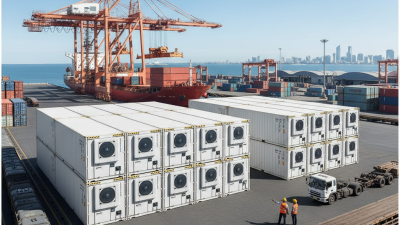
Finding the right 40 storage container in China involves more than comparing a few prices. Buyers also need to check dimensions, condition, construction, and delivery arrangements. A standard 40-foot container and a 40-foot high-cube model differ in internal height and usable volume. That extra space can matter when storing tall equipment or planning a tightly packed shipment. Details matter.
This guide introduces common sizes, explains the main factors behind quoted prices, and outlines practical points for comparing suppliers. Prices can vary with container condition, steel specifications, location, customization, and transport costs. A quote may cover the container only, or include delivery and modifications; confirm the scope before comparing offers. Request clear measurements, recent photographs, and written details about flooring, doors, ventilation, and any repairs. For used units, ask about visible wear and watertightness, while remembering that photographs cannot replace an inspection. Prices vary.
No single listing is automatically the best choice. Exchange rates and shipping schedules can shift, and published figures may become outdated. I would treat online prices as starting points, not guarantees. A careful comparison helps buyers match container size and condition to their needs without paying for features they do not use. This overview offers a grounded place to begin.
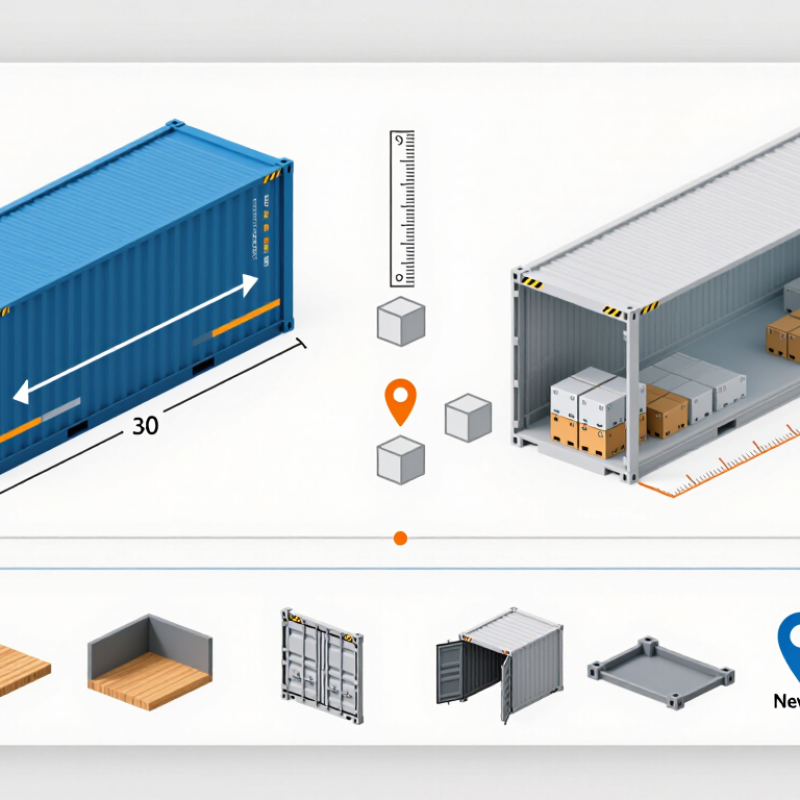
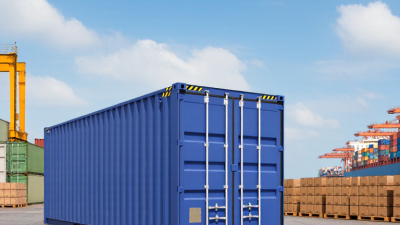
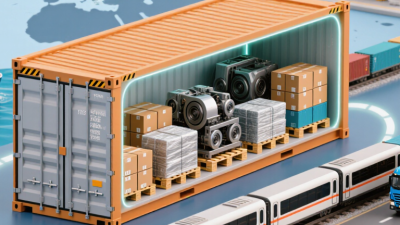
A 40-foot storage container is a large, enclosed steel unit originally designed for freight transport and commonly repurposed for storage. Under ISO 668:2020, a standard 40-foot unit is about 12.19 metres long and 2.44 metres wide externally; the usual height is 2.59 metres. Inside, usable dimensions are smaller. Typical dry-container specifications give roughly 12.0 metres of interior length and about 67 cubic metres of capacity. That is enough room for pallets, shelving, or bulky household items, but only if the loading layout leaves access to the rear. Small details matter.
The figures are not universal. Door openings, internal measurements, tare weight, and payload limits vary by container design and condition. A typical standard unit may carry around 26,000 kilograms of cargo, but the container’s own data plate—not a general estimate—should guide loading. ISO 668 sets dimensional and rating classifications, while the Container Owners Association publishes practical container information for the industry. Before buying, measure the intended site and check ground clearance, door swing, and delivery access. A 12-metre box can look manageable on paper. On a narrow driveway, it may not be. I would also verify that the floor is dry and sound; a clean exterior does not prove the interior has stayed moisture-free.
A standard 40-foot storage container is about 40 feet long, 8 feet wide, and 8 feet 6 inches high on the outside. Interior space is smaller because of the walls and frame: roughly 39 feet 5 inches long, 7 feet 8 inches wide, and 7 feet 10 inches high. Exact measurements vary by model and condition. Measure the actual unit before planning shelves or loading equipment.
The usable capacity is commonly around 2,390 cubic feet, or 67.7 cubic metres. That sounds generous. Yet pallets, door clearance, and unevenly shaped cargo can reduce practical space. A standard unit’s maximum gross weight is often about 30,480 kilograms, including the container itself. Payload limits may be roughly 26,000 to 28,000 kilograms, but the container’s tare weight and rating plate determine the real figure. Weight also needs to be distributed across the floor, not concentrated in one small area. I have seen plans based on catalogue dimensions fall short by a few centimetres; it is an easy detail to overlook. Verify the door opening and weight markings on the specific unit.
A 40-foot standard dry container suits palletized goods, furniture, and general storage. Its external length is usually about 12.2 meters, while internal dimensions vary by maker and model. A 40-foot high-cube container adds roughly 30 centimeters of height, which helps with tall loads or bulky items. It may look like a small difference, but that extra space can matter.
For temperature-sensitive cargo, a 40-foot reefer uses an insulated body and a cooling unit. Buyers should check the required temperature range, power supply, and usable internal space before comparing prices. Open-top containers allow loading from above, while flat racks suit oversized cargo that needs end or side access. Side-opening models can make loading long items easier, though their doors and hardware need careful inspection. Not every type is available in every condition or location.
Tips: Ask for the exact external and internal dimensions, tare weight, and door opening size. Request recent photos and confirm whether the quote includes delivery. Compare specifications, not just the headline price. A low quote can hide a mismatch; even experienced buyers sometimes overlook door clearance.
In China, indicative prices for a standard 20-foot storage container often range from about US$1,200 to US$2,500 for a used unit, and US$2,000 to US$4,000 for a new one. A standard 40-foot unit may cost US$1,800 to US$3,500 used, or US$3,000 to US$5,500 new. High-cube models usually cost more because they offer extra interior height. These are planning ranges, not fixed quotations; condition, location, and market timing can shift them.
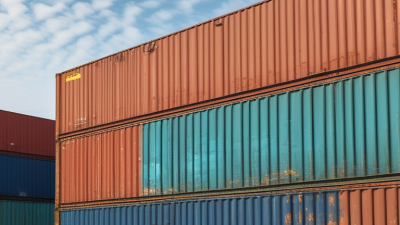
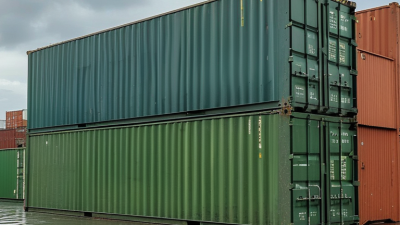
Condition matters. A freshly painted container may still have worn door seals or a repaired floor. Ask for recent photos, the manufacturing plate, and clear notes on dents, rust, and water tightness. A physical inspection is better when practical. Small details add up.
The quoted price may cover only the container at the seller’s depot. Inland delivery, lifting, export handling, and sea freight can raise the landed cost considerably. Clarify whether the offer is ex-works or includes delivery, and confirm currency, loading arrangements, and payment terms in writing. Taxes and destination charges may be separate. Compare like with like. One uncomfortable truth: the cheapest unit can become the expensive choice if it needs repairs or arrives far from your site.
Indicative price ranges in USD for new containers; dimensions are approximate external measurements.
Prices are planning estimates, not live quotations. Final costs vary with steel prices, specifications, order quantity, and supplier terms; freight, taxes, and customization are excluded.
Choosing a storage container starts with its actual use, not the lowest quote. A standard 20-foot unit measures about 6.06 metres long; a 40-foot unit measures about 12.19 metres. Both are typically 2.44 metres wide and 2.59 metres high externally. Check the clear interior dimensions too: wall ribs and door frames reduce usable space. ISO 668:2020 sets container classifications and dimensions, while UNCTAD’s Review of Maritime Transport 2024 reports that shipping carries over 80% of global merchandise trade by volume. That scale makes clear specifications and delivery planning important.
Compare supplier quotes on the same basis. Ask whether the price includes transport, offloading, taxes, and any requested modifications. Request recent photos of the exact unit, especially its floor, door seals, roof, and lower corners. A rusty patch may be cosmetic; a soft floor is not. Check door operation in person when possible. Newer units often cost more, but condition matters more than a seller’s label. I have seen “good condition” mean very different things.