China Top 10 20 ft Cargo Container Suppliers?
China Top 10 20 ft Cargo Container Suppliers? This question matters to importers, freight forwarders, and project logistics teams. A reliable supplier affects cargo protection, delivery schedules, and long-term operating costs. The 20 ft cargo container remains a practical standard for general freight, machinery, construction materials, and warehouse storage.
UNCTAD’s Review of Maritime Transport reports that more than 80% of global merchandise trade moves by sea. That figure explains the continuing importance of durable, standardized containers. ISO 668 defines key container dimensions, while the International Maritime Organization’s CSC framework supports safety inspections and structural certification. Buyers should therefore examine more than factory price. Steel grade, floor thickness, door alignment, weld quality, paint system, and certification documents deserve careful review. Small defects can become expensive problems after several ocean voyages.
China remains a major manufacturing base for dry containers, supported by mature steel supply chains and large-scale production capacity. Industry sources, including Container xChange market analyses and Drewry’s container research, frequently highlight China’s influence on global container availability and pricing. However, supplier rankings can change quickly. Freight rates, steel prices, factory capacity, and export demand all affect final value. No supplier is perfect. A factory with excellent production volume may offer weaker customization support. Another may provide better inspection records but longer lead times. This guide evaluates ten leading Chinese suppliers through practical criteria, including manufacturing experience, quality control, customization capability, delivery performance, and after-sales communication. Readers should still verify current certificates and inspect sample units before placing large orders.
What Is a 20 ft Cargo Container and Why Choose Chinese Suppliers?
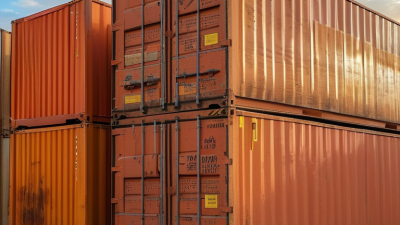
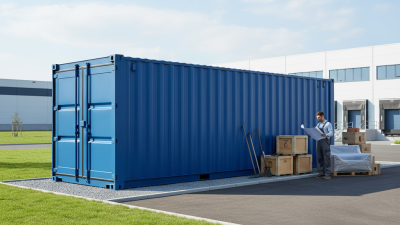
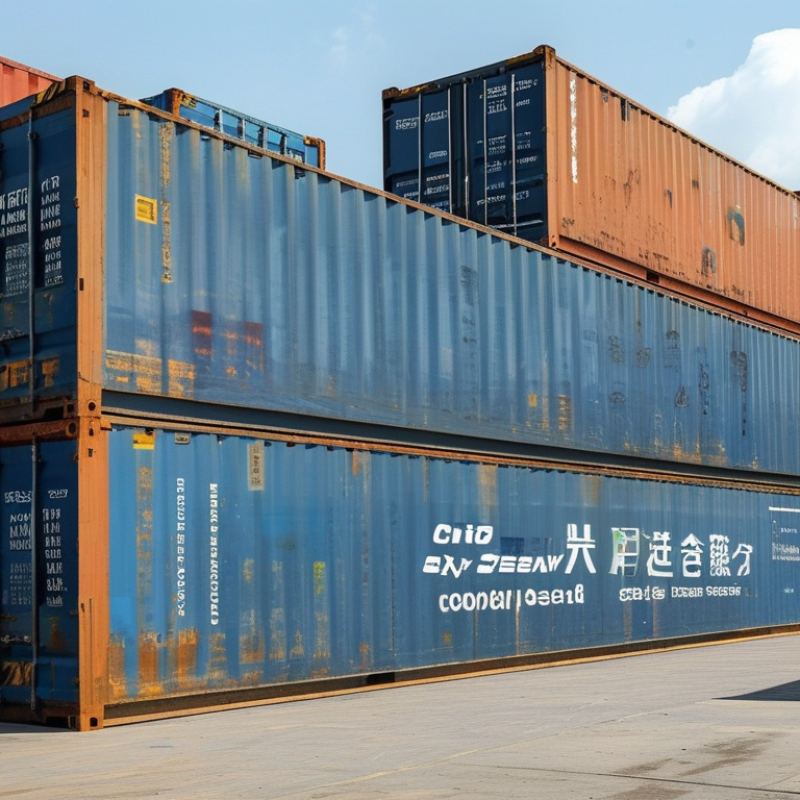
A 20 ft cargo container is a standardized steel unit built for moving goods by ship, rail, and truck. Its external size is usually 20 feet long, 8 feet wide, and 8 feet 6 inches high. Internal space is close to 33 cubic meters, though measurements vary slightly by design. A typical unit has corrugated steel walls, a marine plywood floor, locking doors, and corner castings for lifting. It can carry heavy cargo, but the permitted payload depends on its structure and local transport rules.
Chinese suppliers are attractive because China has a mature container manufacturing network. Steel processing, welding, coating, flooring, and export logistics are often available in one region. This can shorten production time and support customized colors, door layouts, ventilation, or insulation. However, a low factory price does not always mean a lower final cost. Freight, inspection, port charges, and repair risks deserve careful calculation.
Reliable purchasing requires more than reviewing photos. Ask for steel thickness, floor load data, coating specifications, production records, and applicable safety certificates. A physical inspection should check weld lines, door seals, locking bars, corner fittings, and rust beneath the floor. Request loading photographs and independent inspection when order value is significant. Some suppliers communicate well but provide inconsistent measurements. That is an easy detail to miss. Clear drawings, written tolerances, and staged payment terms can reduce misunderstandings.
My practical view is cautious: supplier selection should balance price, documentation, workmanship, and after-sales support.
How to Evaluate China’s Top 20 ft Cargo Container Suppliers
Evaluating China’s top 20 ft cargo container suppliers requires more than comparing online prices. Start with verified production experience, factory capacity, and export history. Ask for recent inspection records, production photographs, and traceable material details. A reliable supplier should explain steel grades, floor construction, paint layers, and door hardware clearly.
Request the exact specifications before discussing volume. A standard 20 ft dry container typically includes corner castings, locking bars, ventilation, and a marine plywood floor. Check weld consistency around the frame and inspect the door seals for even contact. Small gaps can lead to water damage during long ocean transport. Confirm the container’s safety certification and documentation meet the destination market’s requirements.
Do not judge quality from polished images alone. Visit the facility when possible, or appoint an independent inspector before shipment. Review sample reports, repair procedures, warranty terms, and responses to technical questions. Fast replies are useful, but precise replies matter more. My own early mistake was trusting a low quotation without checking steel thickness; the final cost increased after corrective work. That experience remains a warning. Ask whether the quoted price includes testing, inland delivery, export preparation, and spare parts. Compare at least three detailed offers, not three attractive headlines.
China’s Top 10 20 ft Cargo Container Suppliers Compared
China’s Top 10 20 ft Cargo Container Suppliers Compared
Comparing China’s top ten 20 ft cargo container suppliers requires more than checking factory price. In practice, buyers should examine steel grade, corner casting accuracy, weld continuity, floor strength, paint thickness, and production controls. A reliable supplier can provide drawings, material certificates, inspection photos, and clear tolerance data. Ask for evidence.
The strongest suppliers usually balance manufacturing capacity with consistent quality. This comparison considers structural performance, customization, lead time, export experience, communication, and after-sales support. Standard 20 ft containers should match agreed external dimensions and door measurements. The flooring should handle repeated loading with forklifts or pallet equipment. Valid safety certification also matters for international transport. A serious exporter explains which certificates apply to each model, rather than sending generic files.
Price still matters, but it can distort the ranking. A low quotation may exclude corner fittings, inland delivery, coating upgrades, or final inspection. I would not treat a polished website as proof of factory capability. One supplier may offer faster production, while another provides better corrosion protection or stronger documentation. No comparison is perfect. Factory audits and a sample inspection can reveal small problems, such as uneven door seals or rough weld finishing, before a larger order exposes them.
Key Product, Quality, and Certification Differences
China Top 10 20 ft Cargo Container Suppliers: Key Product, Quality, and Certification Differences
Comparing ten Chinese suppliers requires more than checking quoted prices. A standard 20-foot dry cargo container usually measures 6,058 millimeters internally and uses weather-resistant steel. However, steel thickness, floor construction, door alignment, and paint systems can vary noticeably. Some suppliers offer plywood floors, while others use bamboo composite boards with different load performance. Ask for material specifications, welding procedures, coating thickness, and recent inspection records.
Quality becomes visible during a factory visit. Check corner castings, roof seams, locking bars, rubber gaskets, and drainage holes. Uneven welds may suggest rushed production. A clean exterior can still hide weak underfloor members. Request photographs before painting and inspect one finished unit independently.
Small details matter. A container that closes smoothly at the factory may bind after transport if the frame lacks proper squareness.
Certification also separates serious suppliers from simple resellers. Confirm compliance with ISO 668 and ISO 1161 dimensions and corner fitting requirements. For international marine transport, verify a valid CSC safety approval plate, not merely a copied certificate. Test reports should match the container design, production site, and current validity period. Some suppliers hold certificates for older models or different facilities. That is easy to miss. Pricing, delivery terms, spare parts, and warranty response deserve equal review. A cheaper offer may become expensive after repainting, door repairs, or rejected inspections. Supplier rankings can help build a shortlist, but independent verification remains essential.
How to Select the Right Supplier for Your Cargo Needs
Selecting among China’s top 10 20 ft cargo container suppliers requires more than comparing quotations. A low price may hide thinner steel, weaker flooring, or delayed certification. From practical sourcing experience, I inspect factory capacity, welding quality, paint preparation, and documented quality controls. A supplier should provide a clear specification sheet, production photos, inspection records, and a valid CSC safety plate.
Demand also matters. UNCTAD’s Review of Maritime Transport 2024 reported that global maritime trade grew 2.4% in 2023. This growth increases pressure on container availability and delivery schedules. The World Bank’s 2023 Logistics Performance Index also highlights tracking, customs efficiency, and shipment reliability as key logistics factors. Therefore, ask whether the supplier can offer serial-number tracking, pre-shipment inspection, and realistic lead times. Do not accept “fast delivery” without a written production schedule.
Tips: Request one sample unit first. Check door alignment, gasket compression, floor condition, and internal dimensions. Test for light leaks after closing the doors. Confirm payload limits and corrosion protection. Compare at least three quotations using identical specifications. A spreadsheet helps, but it can still mislead. I would also verify the factory’s export history and after-sales process, because small defects become expensive after ocean delivery. Be cautious with perfect promises. Suppliers that explain limitations are often more reliable.
China Top 10 20 ft Cargo Container Suppliers? — How to Select the Right Supplier for Your Cargo Needs
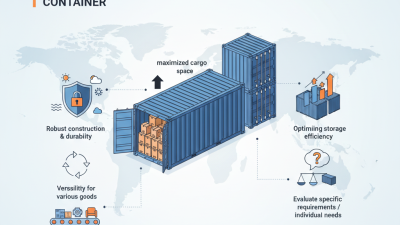
The chart compares typical ISO 20 ft dry cargo container dimensions. Standard external dimensions are approximately 6,058 × 2,438 × 2,591 mm, while typical internal dimensions are approximately 5,898 × 2,352 × 2,393 mm. When selecting a supplier, also verify payload, tare weight, door clearance, CSC certification, material quality, inspection procedures, and delivery capability.
Reference: Common ISO 20 ft dry container specifications; dimensions may vary slightly by manufacturer and container design.