Choosing a refrigerated container supplier in China is not simply about finding the lowest quotation. Buyers need equipment that protects cargo during long voyages, port delays, and changing ambient conditions. A steady setpoint, sound insulation, and responsive service can matter more than a polished brochure. Small details count.
The scale of global trade makes dependable equipment important. UNCTAD’s Review of Maritime Transport 2024 reports that global container port throughput reached 858.1 million TEUs in 2023. Separately, the FAO’s 2019 report, The State of Food and Agriculture, estimated that 14% of food was lost between post-harvest and retail stages. These figures do not measure refrigerated-container performance. They do, however, show why buyers should examine temperature control and operating reliability carefully.
When comparing Chinese suppliers, look beyond advertised capacity and price. Ask for test records, temperature-uniformity results, insulation specifications, refrigeration-unit details, and clear warranty terms. Check how the supplier handles spare parts, commissioning, and technical support after delivery. Request references for equipment used on routes or cargo types similar to yours. A video call can reveal a tidy factory floor, but it cannot prove years of dependable service. That is where careful verification matters. Even a strong supplier may not fit every operation; I would treat broad promises as a starting point, not evidence. This guide outlines practical checks for assessing suppliers and choosing equipment that fits your cargo, routes, and support needs.
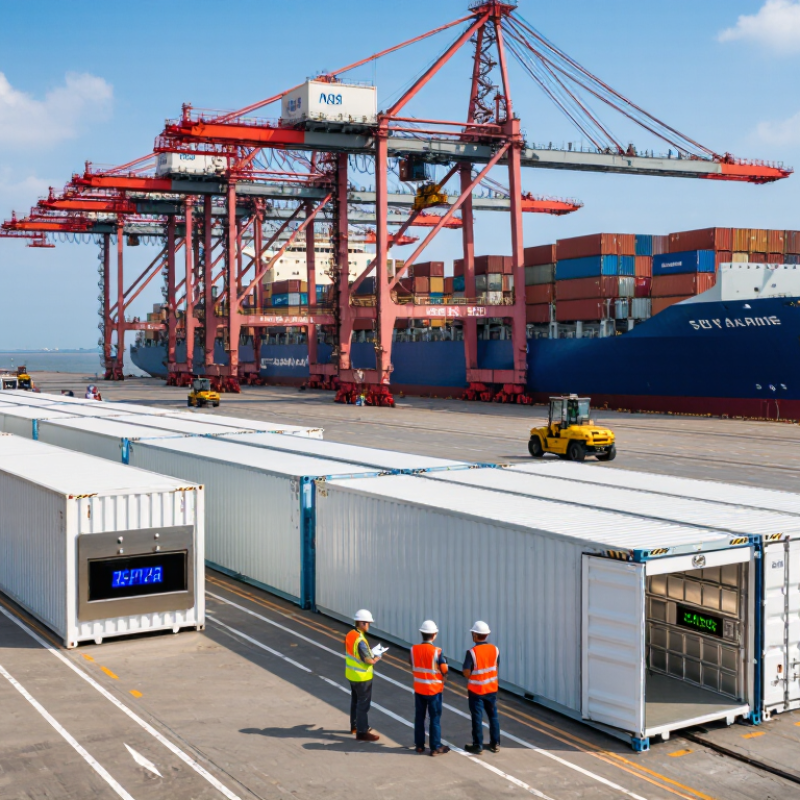
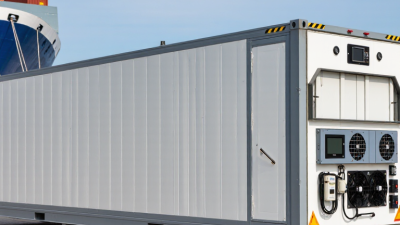
Refrigerated containers are not one-size-fits-all equipment. Integral reefers contain a built-in cooling unit and suit sea transport, ports, and long-distance trucking. Clip-on units attach to insulated containers, although they require compatible power connections. Controlled-atmosphere reefers regulate oxygen and carbon dioxide for apples, pears, and other sensitive produce. Super-freezer models maintain temperatures below -25°C for seafood, meat, and frozen foods. According to Drewry’s Reefer Shipping Annual Review and Forecast 2024/25, global seaborne reefer trade reached approximately 131 million tonnes in 2023. That scale makes equipment selection commercially important.
Applications determine the correct specifications. Fresh vegetables need stable airflow and humidity control, while frozen seafood needs fast pull-down cooling and reliable insulation. Pharmaceutical shipments require tighter temperature records, alarm systems, and validated operating procedures. The FAO reported that about 14% of food is lost between harvest and retail, partly because cold-chain handling remains weak. A container that looks efficient may still fail during loading. Warm pallets, blocked air channels, or frequent door opening can create hidden temperature damage.
When comparing suppliers, buyers should examine temperature accuracy, generator compatibility, maintenance response, spare-part access, and data-logging quality. Ask for real test records, not only brochures. My practical concern is often overlooked: the cheapest reefer may consume more power or need repairs sooner. That calculation deserves more attention. Selection should also match local port conditions, cargo volume, voyage length, and operator training.
A dependable refrigerated container supplier should show more than polished product photos. Ask for the unit’s temperature range, cooling capacity, insulation details, and power requirements in writing. Request recent test records that show how the container performs under changing ambient temperatures. Ask for proof. A clear answer should include test conditions, not just a temperature claim.
Check whether the supplier manufactures the container or coordinates production through another company. If possible, arrange a factory visit or a live video inspection. Look closely at door seals, floor joints, wiring protection, and access to service parts. These details affect daily use. Ask how spare components are stocked and how quickly technical support responds across time zones. A written warranty matters, but so do its exclusions and service process. One part is easy to overlook: paperwork can look complete while support remains vague. No checklist is perfect. Compare several suppliers using the same questions, and keep their answers in writing. A minor gap in the specification may be fixable; an unclear testing record deserves a closer look.
Suggested criteria for evaluating China-based refrigerated container suppliers
The percentages are suggested decision weights, not measured supplier results. Prioritize temperature control, energy performance, insulation quality, and service support; adjust the weighting to suit your cargo, routes, and operating conditions.
Choosing China refrigerated container suppliers requires more than a low quotation. Compare quality through documented inspections, not polished product photos. Ask for steel grade, insulation density, door-seal materials, and temperature-control test records. A reliable factory should provide traceable batch numbers and corrective-action reports. Request a sample inspection. During supplier reviews, uneven door compression often reveals weak assembly control. Small defects matter.
Technology should be judged by measurable performance. Check temperature range, cooling recovery time, alarm accuracy, remote monitoring, and power consumption. Ask whether tests cover hot, humid, and low-voltage conditions. Review calibration certificates and maintenance procedures from the engineering team. A clear response is more valuable than impressive terminology. Some suppliers offer advanced controls but lack trained technicians near your destination. That gap can become expensive.
Production capacity is not simply a large workshop. Verify monthly output, component inventories, shift records, and delivery performance over the past year. Ask to view the assembly line through a live video call or approved site visit. Compare promised lead times with peak-season orders. Request references for similar quantities and specifications. Do not accept every figure immediately. Factories can overstate capacity, while buyers may underestimate after-sales workload. Leave room for doubt.
| Comparison Dimension | What to Compare | Evidence to Request and Verify | Supplier 1 | Supplier 2 | Supplier 3 |
|---|---|---|---|---|---|
| Product configuration | Compare like-for-like container type and size, such as 20-foot or 40-foot high-cube refrigerated containers. Check internal dimensions, payload, and gross weight against the offered specification. | Model-specific specification sheet, dimension drawing, and container data plate. Confirm that each quotation refers to the same configuration. | — | — | — |
| Temperature performance | Compare the stated set-point range, temperature-control accuracy, air-circulation design, and performance under the operating conditions relevant to the cargo. The achievable range is model-dependent. | Refrigeration-unit technical manual, operating limits, temperature test records, and written confirmation of the proposed configuration. | — | — | — |
| Standards and safety | Check conformity of the container design and construction with the applicable requirements for refrigerated containers, including ISO 1496-2 where applicable. Verify that the delivered unit has the required safety and inspection documentation. | Applicable conformity documents, inspection records, and the container's identification and safety plates. Confirm document scope, model, and validity with the issuing body where relevant. | — | — | — |
| Insulation and structure | Compare insulation materials and thickness, door-seal design, floor and interior construction, corrosion protection, and structural details that affect thermal performance and service life. | Construction drawings, material specifications, insulation test information, weld and coating inspection records, and sample-unit inspection results. | — | — | — |
| Refrigeration technology | Compare the proposed refrigeration unit, control and monitoring functions, alarms, data logging, power requirements, and availability of compatible replacement parts. Assess options against the route and maintenance network. | Unit datasheet, controller and alarm list, sample temperature logs, electrical requirements, parts list, and service-support arrangements. | — | — | — |
| Quality management | Assess whether the supplier has controlled procedures for incoming materials, production inspections, calibration, nonconformity handling, and final testing. A management-system certificate alone does not establish product quality. | Current quality-management certificate, audit scope, inspection and test plans, calibration records, corrective-action examples, and traceability records for a sample unit. | — | — | — |
| Factory testing | Compare the final inspection and functional tests performed on each unit, including refrigeration operation, electrical checks, leak checks where applicable, and verification of documentation and accessories. | Sample factory acceptance test report, test procedure, recorded results, acceptance criteria, and permission for a pre-shipment inspection. | — | — | — |
| Production capacity | Compare confirmed monthly output for the specific reefer-container configuration, current order backlog, production lead time, and ability to meet the requested shipment schedule. Distinguish rated capacity from available capacity. | Recent production plan, capacity statement by product type, anonymized production records, component-supply plan, and a schedule tied to the order quantity. | — | — | — |
| Supply-chain control | Check how critical components and materials are sourced, inspected, and traceable, including refrigeration components, insulation materials, electrical parts, and steel structures. | Approved-supplier controls, incoming inspection records, component traceability examples, and documented alternatives for long-lead items. | — | — | — |
| Warranty and service | Compare warranty duration and coverage in writing, response process, technical support hours, spare-parts availability, and service options at the intended operating locations. | Draft warranty terms, service contact process, spare-parts list and availability, escalation procedure, and written exclusions. | — | — | — |
| Commercial and delivery risk | Compare total delivered cost, payment milestones, production and inspection milestones, packaging, shipping terms, and remedies for delays or nonconforming goods. | Itemized quotation, draft contract, delivery schedule, inspection terms, and clearly stated Incoterms® rule and named place. | — | — | — |
Comparison note: Complete the supplier columns only with information verified from current documents, inspections, or written commitments. Requirements and performance figures can vary by model, configuration, destination, and applicable regulations; compare equivalent specifications and confirm the applicable standards for the intended use.
Choosing the best China refrigerated container supplier requires more than comparing prices. Shipping conditions often reveal a supplier’s practical experience. Confirm the container’s external dimensions, gross weight, power requirements, and port delivery plan. Ask whether the unit has passed a pre-trip inspection before dispatch. A damaged door seal can cause temperature loss within hours. Ask for proof.
Certification documents should match the exact container model and production batch. Request valid CSC plates, insulation test results, electrical safety records, and refrigerant compliance documents. Verify test dates and issuing authorities, rather than accepting scanned certificates without checking. Temperature performance should be tested under realistic conditions, including hot weather and frequent door openings. This detail is sometimes overlooked. It should not be.
Warranty terms need clear boundaries. Check coverage for the compressor, controller, sensors, evaporator, condenser, and insulation panels. Confirm whether labor, freight, and replacement parts are included. A twelve-month warranty may sound sufficient, but slow responses can make it meaningless. Ask for a written response time and an emergency contact. After-sales support should include troubleshooting guides, spare-parts availability, and technician assistance across time zones. Keep records. One practical lesson is that buyers often focus on the purchase invoice and ignore service procedures. I would also question vague promises, because refrigerated equipment eventually needs maintenance, even when the original inspection looks excellent.
Choosing a refrigerated container supplier starts with the cargo, not the brochure. Record the required temperature range, transit duration, loading pattern, and destination power supply. Then ask for written evidence of temperature-control performance, maintenance procedures, and technician coverage along your route. Details matter. A precise setpoint is not enough if the unit cannot hold it during delays or frequent door openings.
Compare quotations against the same specification. Check container age, insulation condition, refrigeration-unit service records, spare-parts access, and response times. Request a sample inspection report and clarify who handles repairs at each handoff. UNCTAD’s Review of Maritime Transport 2024 notes that more than 80% of world merchandise trade by volume moves by sea, underscoring why reliable equipment and service coordination matter. This is broad shipping context, not a reefer-specific performance benchmark.
Before committing, test the supplier’s process with a realistic scenario: a late vessel, a power interruption, or an alarm at night. Ask who receives the alert and how quickly they can act. FAO’s 2023 food-loss reporting estimates that 13.2% of food is lost between harvest and retail, making dependable temperature management an important part of reducing avoidable loss. One detail is easy to miss: confirm how temperature records are delivered and retained. Compare the answers carefully; a polished proposal can still leave gaps.