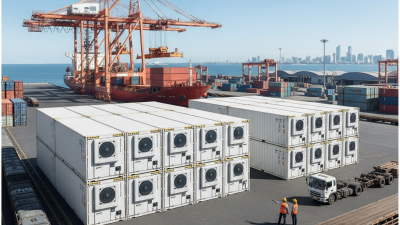
Global food supply chains are moving farther, faster, and under tighter temperature controls. A refrigerated sea container helps protect cargo when fresh produce, seafood, dairy, pharmaceuticals, or frozen goods cross several climate zones. It combines insulated walls, active cooling, remote monitoring, and standardized handling. That combination matters between a humid port gate and a cold warehouse thousands of miles away.
UNCTAD’s Review of Maritime Transport 2024 confirms that shipping carries more than 80% of world merchandise trade by volume. This scale explains why ocean transport remains central to international distribution. The FAO also reports that 13.2% of food is lost between harvest and retail. Reliable temperature control can reduce part of that loss, although it cannot repair poor harvesting, weak packaging, or delayed customs clearance. That point is often overlooked.
The UNEP Food Waste Index Report 2024 estimated 1.05 billion tonnes of food were wasted in 2022. Better cold-chain planning deserves attention. A refrigerated sea container can maintain a defined set point during long voyages, while data loggers record temperature changes near the cargo. Operators can inspect airflow, pre-cool the box, and confirm ventilation before loading. Small details matter. A warm pallet can compromise an entire shipment.
Drewry’s reefer shipping research continues to emphasize the importance of specialized equipment, fleet availability, and seasonal demand. Yet refrigerated shipping is not automatically the cheapest or safest option. Transit time, electricity access, product sensitivity, port infrastructure, and contingency planning must be assessed together. The decision requires evidence, not assumptions. A practical comparison should examine total landed cost, temperature risk, emissions, and the shipper’s real operating experience.
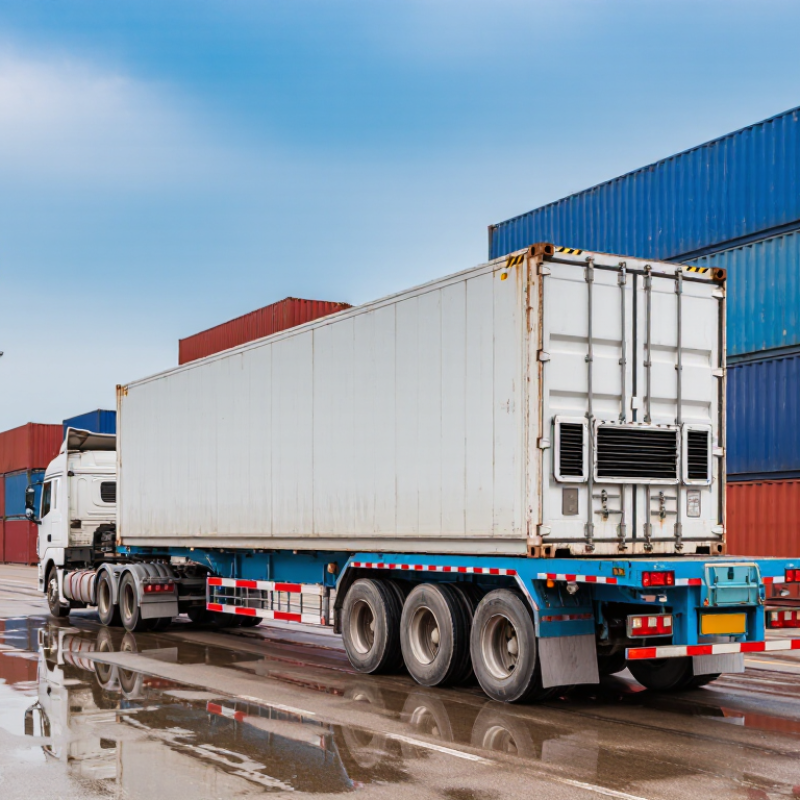
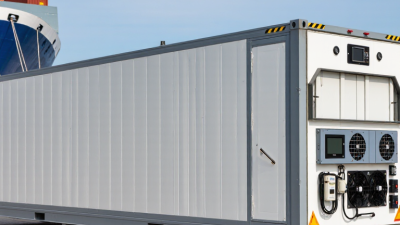
A refrigerated sea container, often called a reefer, is an insulated steel unit with a built-in cooling system. It protects temperature-sensitive cargo during long ocean journeys. Unlike a standard container, it actively manages temperature, airflow, and sometimes humidity. The machinery removes heat rather than simply making the cargo cold. This distinction matters for fresh produce, frozen foods, flowers, and approved medical supplies.
Inside, fans circulate air through carefully arranged cargo. Air must move beneath and around cartons, not face blocked walls. Sensors record conditions, while data logs support quality checks at handover. Before loading, workers inspect seals, clean surfaces, and pre-cool the container when procedures require it. The correct temperature depends on the cargo, packaging, and transport plan. A reefer cannot repair warm cargo.
It only maintains suitable conditions. Power continuity is essential at the terminal, on the vessel, and during inland transfers. Experienced teams check plug connections, alarm messages, and temperature records. A small loading mistake can create warm corners. Humidity may also cause condensation or product damage. The equipment consumes electricity, so energy use deserves practical planning. Even careful operations are not perfect; weather, delays, and handling errors still require attention.
Why Choose a Refrigerated Sea Container for Global Shipping?
How Does Refrigerated Container Technology Work?
A refrigerated sea container, or reefer, controls temperature during long ocean journeys. Its refrigeration unit circulates cooled air through cargo spaces. Sensors monitor temperature, humidity, and sometimes oxygen levels. The system adjusts cooling when sunlight, loading patterns, or outside heat changes.
It is not simply a cold metal box. Airflow matters. Pallets must leave ventilation gaps, while cargo should arrive pre-cooled. A container set at 2°C cannot quickly cool warm produce without stressing the machinery. Poor packing remains a common weakness. Small mistakes can damage an entire shipment.
According to the FAO’s 2019 State of Food and Agriculture report, about 14% of food is lost between harvest and wholesale. Reliable cold-chain equipment can reduce that exposure. Operators select settings according to the cargo, not personal habit. Fresh produce may require controlled humidity, while frozen goods need stable temperatures below 0°C.
The refrigeration unit draws power from the vessel and later from terminal or truck connections. Data loggers record conditions throughout the route. These records support quality checks and help identify temperature breaks. Yet sensor readings are not perfect. Calibration gaps, blocked air channels, and delayed inspections can still create risks. Experience at loading points often matters as much as advanced technology.
Refrigerated containers, or reefers, maintain a controlled cargo environment during long-distance ocean transport. An electrically powered refrigeration unit removes heat from the container, while insulated walls, temperature sensors, adjustable airflow and fresh-air ventilation help preserve product quality. The chart shows representative transport setpoints for common cargo categories; actual settings depend on the product specification, packaging and shipping requirements.
Refrigerated sea containers protect products that can lose quality during long ocean journeys. They control temperature, airflow, and, in some cases, humidity. This makes them suitable for fresh produce, seafood, meat, dairy products, and frozen foods.
Fresh berries, leafy vegetables, and cut flowers often need steady cooling. Their quality can decline after only a few warm hours. Seafood and meat require strict temperature control to reduce spoilage risks. Dairy products also need stable conditions from loading through delivery. Some medicines, laboratory materials, and temperature-sensitive health products require controlled shipping as well. Their approved temperature range should come from the manufacturer or qualified logistics specialist.
Temperature matters greatly.
A refrigerated container cannot repair poor preparation. Cargo should usually be pre-cooled before loading. Warm cartons can raise the internal temperature quickly. Staff must also leave enough space for air to circulate around the pallets. Data loggers help record conditions throughout the voyage. Clear readings can reveal problems at ports, during inspections, or after delivery.
Some products need different settings. Fresh fruit may require ventilation because it releases gases as it ripens. Frozen food needs a stable frozen environment, not simply “very cold” storage. Chocolate, flowers, and specialty ingredients may need careful humidity control. Planning is rarely perfect. Weather delays, port congestion, and incorrect loading can still affect cargo. Experienced shippers check product instructions, container settings, packaging, and sensor placement before departure.
A refrigerated sea container, also called a reefer container, maintains a programmed temperature throughout ocean transport and helps protect cargo from heat, freezing, and temperature fluctuations.
| Product Category | Typical Shipping Setpoint | Approximate Range | Why Temperature Control Is Needed | Important Shipping Requirements | Reefer Suitability |
|---|---|---|---|---|---|
| Fresh berries and highly perishable fruit | 0–2°C (32–36°F) |
0–5°C (32–41°F) |
Slows respiration, moisture loss, ripening, and microbial deterioration. | Pre-cooling before loading, ventilated packaging, airflow clearance, and careful humidity management are generally required. | Highly suitable |
| Leafy vegetables and fresh herbs | 0–5°C (32–41°F) |
0–10°C (32–50°F) |
Reduces wilting, yellowing, water loss, and quality deterioration. | Setpoint depends on the crop; some produce is sensitive to chilling injury and must not be over-cooled. | Highly suitable |
| Bananas and other tropical fruit | 12–14°C (54–57°F) |
12–15°C (54–59°F) |
Prevents premature ripening while avoiding chilling injury caused by excessively low temperatures. | Ventilation and ethylene management may be important; the correct setpoint varies by maturity and destination. | Highly suitable |
| Fresh seafood and chilled fish | 0–2°C (32–36°F) |
−1–4°C (30–39°F) |
Limits bacterial growth and preserves freshness, texture, and shelf life. | Use hygienic, leak-resistant packaging; some products are shipped on ice or close to their freezing point. | Highly suitable |
| Chilled meat and poultry | 0–4°C (32–39°F) |
−1–4°C (30–39°F) |
Controls bacterial growth and helps maintain food safety and product quality. | Products should be loaded cold, with sufficient air circulation and continuous temperature monitoring. | Highly suitable |
| Dairy products and fresh desserts | 0–4°C (32–39°F) |
0–6°C (32–43°F) |
Protects against spoilage, separation, texture changes, and microbial growth. | Avoid temperature abuse during loading and transfer; freezing-sensitive products require careful setpoint control. | Highly suitable |
| Frozen meat, seafood, and frozen foods | −18°C or colder (0°F or colder) |
−18 to −25°C (0 to −13°F) |
Maintains the frozen state and limits quality loss, ice recrystallization, and microbial activity. | Cargo must be fully frozen before loading; a reefer preserves temperature but does not reliably freeze warm cargo. | Highly suitable |
| Pharmaceuticals and temperature-sensitive healthcare products | 2–8°C (36–46°F) |
Product-specific: −20°C to 25°C |
Protects chemical stability, potency, and shelf life. | Use validated packaging, calibrated data loggers, documented temperature excursions, and the product's approved range. | Suitable with validation |
| Vaccines and biologic materials | Product-specific | Commonly 2–8°C; some require −20°C or colder |
Prevents loss of potency caused by heat, freezing, or repeated temperature fluctuations. | Follow the product label and validated cold-chain procedure; reefer transport alone does not replace specialized packaging or monitoring. | Suitable with validation |
| Cut flowers and ornamental plants | 1–5°C (34–41°F) |
1–10°C (34–50°F) |
Slows respiration, wilting, water loss, and premature opening. | Temperature varies by species; humidity, ventilation, ethylene exposure, and careful stacking also affect vase life. | Suitable |
| Chocolate and temperature-sensitive confectionery | 12–18°C (54–64°F) |
12–20°C (54–68°F) |
Reduces melting, fat bloom, sugar bloom, and texture changes during long-distance transport. | Protect from direct heat and condensation; the ideal range depends on formulation, packaging, and season. | Suitable |
| Wine, juice, and temperature-sensitive beverages | Typically 10–18°C (50–64°F) |
Product-specific | Limits heat-related flavor changes, oxidation, pressure variation, and packaging damage. | Do not assume every beverage requires refrigeration; the appropriate range depends on the product and transport duration. | Conditionally suitable |
Planning note: Temperature ranges are typical commercial shipping guidelines, not universal specifications. The shipper should confirm the product's approved transport range, pre-cooling requirement, packaging method, ventilation setting, humidity needs, and applicable import regulations before booking a refrigerated sea container.
Refrigerated sea containers protect temperature-sensitive cargo during long ocean journeys. Their insulated walls reduce heat transfer, while the refrigeration unit maintains a controlled internal climate. This matters for fresh produce, dairy products, pharmaceuticals, and other approved goods that can deteriorate quickly.
The main benefit is temperature stability. A properly configured container can reduce spoilage caused by heat, cold, or sudden changes during port handling. Sensors record temperature conditions throughout the voyage, creating useful evidence for quality checks. Ventilation settings also help remove field heat from produce and reduce moisture buildup. During loading, cargo should leave clear air channels. Packed cartons can block airflow.
Refrigerated containers also support flexible global distribution. Shippers can move goods by sea instead of relying only on faster, more expensive transport. They can protect cargo across different climates, from a warm loading dock to a cold northern port. However, refrigeration is not automatic protection. Poor pre-cooling, damaged seals, or unstable power can still harm the shipment. No container is foolproof. Operators should inspect the unit, confirm the set point, check alarms, and review monitoring records before departure. I would also allow more time for these checks, because rushed loading creates problems that may appear days later. Conditions at the destination must be considered too, including handling procedures and local import requirements.
Choosing a refrigerated sea container starts with the cargo, not the container itself. Confirm the required temperature range, humidity needs, volume, and expected transit time. Fresh produce may need ventilation, while frozen goods require stable, low temperatures. A container that is too large can waste energy and reduce cooling efficiency. One careful measurement prevents expensive loading problems.
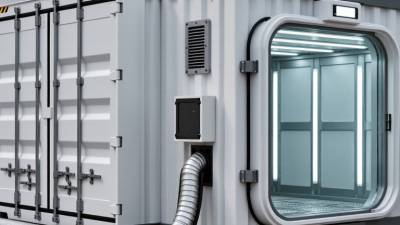
Inspect the unit before booking it. Check the door gaskets, insulation, drain openings, control panel, and power cable. The floor should be clean, dry, and free from damage. Ask for recent maintenance records and a temperature test report. Good equipment matters. However, paperwork alone cannot reveal every fault. A physical inspection remains valuable.
Prepare the cargo before loading. Pre-cool the goods separately, because the container is designed to maintain temperature, not remove field heat quickly. Load cartons with gaps around the walls and ceiling. Keep the return-air path clear, and never block the T-floor channels. Set the temperature according to the cargo specification, then verify it with an independent data logger. Test the alarm system and record the initial reading. Mistakes still happen, especially during rushed loading. A second inspection may feel repetitive, but it can expose blocked airflow or an incorrect setpoint before departure.