Skip to content

How to Choose a 10x10 Shipping Container?

Choosing a 10x10 shipping container requires more than comparing online prices. The label can describe different sizes, designs, and conversion styles. Confirm the external and internal measurements before ordering. A tape measure matters here. Door clearance, roof height, and corner space can affect delivery and daily use.

A reliable evaluation starts with the container’s condition. Inspect the roof for dents, the walls for corrosion, and the floor for soft areas. Open every door and check the seals. Light entering through a closed door may indicate leaks. Ask whether the unit is new, refurbished, or previously used. These terms are not always consistent between suppliers. Request clear photographs, inspection details, and written specifications. A reputable seller should explain steel thickness, locking hardware, ventilation, and delivery arrangements without avoiding difficult questions.

Think about the intended use before selecting features. Tools may need shelving and secure doors. Business inventory may require better ventilation and moisture control. A construction site may prioritize easy placement and forklift access. Confirm that the delivery truck can reach the chosen location. Local placement rules and site conditions may also affect the decision. A low purchase price can become expensive after transport, repairs, and preparation. No checklist is flawless. Even experienced buyers can overlook drainage or uneven ground. This guide examines the practical details, supplier questions, and cost considerations that help you choose a safer, more dependable 10x10 shipping container.
How to Choose a 10x10 Shipping Container?

Define Your Space, Capacity, and Intended Container Use

How to Choose a 10x10 Shipping Container?

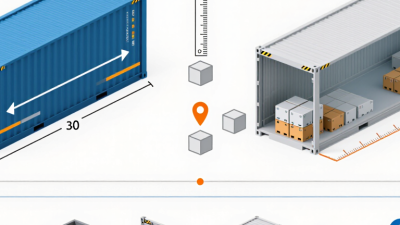
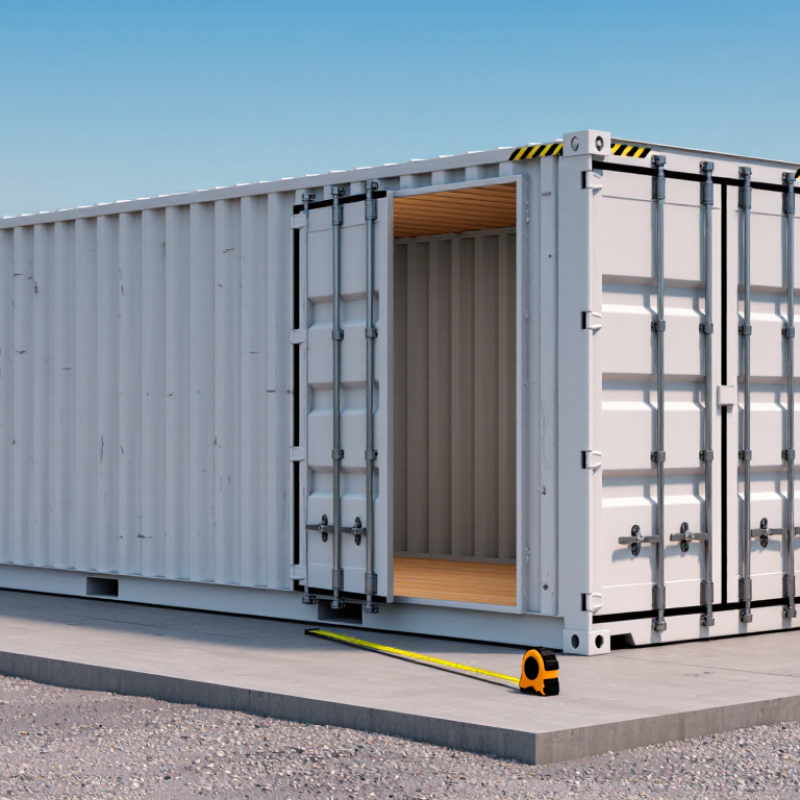
Define the space before comparing container specifications. A 10x10 footprint provides 100 square feet of floor area. At an eight-foot interior height, it offers roughly 800 cubic feet before shelving, insulation, or wall lining. That volume can hold boxed records, compact equipment, or household goods. It may not fit bulky machinery once door clearance is considered. Measure the largest item, then add turning space. A tape measure prevents expensive optimism.

“10x10 shipping container” can describe a storage footprint, not a universal freight standard. ISO 668:2020 classifies freight containers by standardized external dimensions, while actual internal capacity varies by design. Check the manufacturer’s internal length, width, height, door opening, tare weight, and maximum payload. Never rely on a rounded size. The CSC safety plate and inspection documents matter for transport use. The World Bank’s Logistics Performance Index 2023 links reliable logistics with predictable infrastructure and shipment handling, so access deserves equal attention.

Clarify the intended use. Temporary storage needs weather sealing, ventilation, and a level base. Frequent loading needs wide doors and a clear route for carts. Long-term storage may require racks, lighting, and condensation control. Keep heavier boxes low and distribute weight across the floor. A 10x10 unit can feel spacious at first. It can become awkward quickly. My own planning bias is to overestimate usable space; revising the layout with real cartons often reveals the mistake. Sources: ISO 668:2020; World Bank, Logistics Performance Index 2023.

Compare Standard Dimensions, Materials, and Structural Features

How to Choose a 10x10 Shipping Container?

A 10-foot container is usually eight feet wide, not 10x10. ISO 668:2020 lists standard external widths near 2.44 meters and standard heights near 2.59 meters. Its external length is about 3.05 meters. Interior space is smaller, often around 2.83 meters long and 2.35 meters wide. Measure the door opening, too. Some units lose several centimeters to frames, seals, and floor thickness.

Material selection affects service life. Most shipping containers use weathering steel, corrugated steel panels, and marine-grade plywood flooring. The International Maritime Organization’s Container Safety Convention requires safety inspections and structural markings for containers used in international transport. For stationary storage, inspect corrosion around the bottom rails, door hinges, and corner castings. Fresh paint can hide weak metal. That deserves caution.

Structural details matter more than appearance. ISO 1496-1:2013 addresses container testing for stacking, lifting, and restraint loads. Look for straight corner posts, intact top and bottom rails, functioning locking bars, and undamaged forklift pockets. The Container Handbook, published by the German Insurance Association, identifies corner fittings as key load-transfer points. Check them closely. A 10-foot unit may carry less usable weight than its empty steel shell suggests, especially with uneven flooring or added insulation. I would request recent inspection records, internal measurements, and photographs of the roof seams before choosing one. Industry specifications are helpful, but field condition still wins.

Evaluate New, Used, and Modified 10x10 Container Options

A “10x10 container” needs clarification before you compare prices. ISO 668:2020 defines standard 10-foot containers at roughly 2.99 meters long and 2.44 meters wide. A true 10-by-10-foot unit is usually custom-built or modified. Ask for external and internal measurements. A ten-centimeter error can ruin a site layout.

New containers provide cleaner floors, tighter door seals, and predictable structural condition. They suit storage where appearance and low maintenance matter. Used units cost less, but inspect the roof, corner castings, welds, and flooring carefully. Look for daylight around doors and deep rust near the base rails. I have seen fresh paint hide corrosion. Paint is not proof. Confirm the inspection plate and previous repair records where available.

UNCTAD’s Review of Maritime Transport 2024 reported an 8.4% rise in global container fleet capacity between July 2023 and July 2024. Supply may be broad, yet local stock and transport costs still control the final price. Modified units can add insulation, windows, ventilation, shelving, or electrical systems. These features improve usability but create more failure points. Ask for drawings, load calculations, material specifications, and installation certificates. A modified container may no longer perform like a standard cargo unit. That detail is easy to miss. Compare delivered cost, usable floor area, maintenance needs, and future relocation difficulty—not only the purchase quote.

How to Choose a 10x10 Shipping Container?

Compare typical market estimates for new, used, and modified 10x10 shipping containers. Actual prices vary by condition, location, delivery distance, and customization requirements.

How to interpret the chart: Used containers generally have the lowest purchase cost, while new containers offer the most predictable condition. Modified containers cost more because they include structural changes, doors, windows, insulation, electrical work, or other upgrades.

Check Door Types, Security Systems, Ventilation, and Weatherproofing

How to Choose a 10x10 Shipping Container?

A 10x10 container needs more than a convenient footprint. UNCTAD’s Review of Maritime Transport 2023 states that over 80% of global merchandise trade by volume moves by sea. That environment demands strong doors, reliable seals, and corrosion-resistant construction. Choose double doors if you store pallets, furniture, or bulky equipment. Single doors save wall space, but loading becomes slower. Measure the opening, not only the advertised container size. Door clearance can change with the frame and threshold.

Security deserves a physical inspection. Look for a welded lockbox, protected hinges, and internal locking bars. A basic padlock alone is often a weak point. Add motion lighting or a monitored alarm when the site permits it. Ventilation is equally important. Passive vents placed high and low encourage airflow, reducing condensation on metal walls. Do not cover vents with plastic or stack boxes against them.

ISO 1496-1 provides a useful benchmark for container weatherproofness, but an older unit may still leak. Check roof seams, door gaskets, corner posts, and the floor after rain. The U.S. Fifth National Climate Assessment reports increasing heavy precipitation across many regions, so “water-resistant” should not be accepted without inspection.

Tips: Visit after rainfall. Open and close every door twice. Look for daylight around seals. I would also place a small hygrometer inside for a week. It is an imperfect test, but useful. Ask for repair history, then verify it yourself.

Confirm Site Access, Delivery Requirements, Regulations, and Total Cost

How to Choose a 10x10 Shipping Container?

A 10x10 container may not measure exactly ten feet internally. Confirm its external and internal dimensions before ordering. Walk the delivery route with a tape measure. Check gate width, turning space, overhead branches, slopes, and road strength. A loaded delivery vehicle needs more room than the container itself. Ask the supplier about unloading equipment and required access clearance. I have seen suitable containers rejected because the truck could not reach the prepared pad.

Delivery requirements are only one part of the decision. Contact your local planning or building authority about placement rules, permits, drainage, and required setbacks. Rules can differ between residential and commercial sites. Inspect the container’s doors, floor, roof, corner posts, and internal odor. Surface rust may be manageable, but deep corrosion needs professional assessment. Calculate the total cost, including delivery, unloading, ground preparation, taxes, locks, ventilation, and future repairs. The lowest initial price can become expensive. I sometimes underestimate site preparation, so I now request a written, itemized quote.

Tips: Photograph the route before requesting delivery. Measure the final pad twice. Ask whether dimensions are internal or external. Confirm the delivery date, truck type, and cancellation terms in writing. Leave space around the container for inspection and door operation. A small access mistake can delay the entire project.

How to Choose a 10x10 Shipping Container? - Confirm Site Access, Delivery Requirements, Regulations, and Total Cost
Decision Area What to Confirm Realistic Planning Data Why It Matters Recommended Action
Container Type Verify whether the unit is a true 10 ft × 10 ft custom container, a modified shipping container, or a storage unit assembled from container-grade panels. Standard intermodal containers are commonly manufactured in 10 ft, 20 ft, and 40 ft lengths, but a 10 ft × 10 ft footprint is generally a custom or modified configuration rather than a standard ISO size. Custom dimensions may affect structural certification, handling equipment, delivery charges, and resale value. Required
Request a dimensioned drawing and product specification.
External and Internal Dimensions Check external length, width, height, door opening, internal floor area, and usable internal height. A nominal 10 ft × 10 ft footprint is approximately 3.05 m × 3.05 m, providing about 9.3 m² of floor area before wall thickness and internal fittings are deducted. Wall insulation, lining, shelving, and door frames can reduce usable space by several centimetres on each side. Required
Measure the largest items before ordering.
Vehicle and Road Access Confirm the delivery vehicle type, road width, turning radius, overhead clearance, bridge limits, gradients, and any restricted streets. A loaded delivery vehicle may require roughly 3.0–3.5 m of clear road width, additional turning space, and approximately 4.0–4.5 m of overhead clearance, depending on the vehicle and unloading method. Limited access can require a smaller vehicle, extra handling equipment, a crane, or an alternative delivery location. Required
Submit site photographs, measurements, and a delivery route plan.
Unloading and Placement Determine whether the unit will be offloaded by tilt-bed truck, side-loader, crane, forklift, or another suitable method. A container may weigh approximately 1,500–3,500 kg depending on its frame, doors, insulation, flooring, and modifications. Handling capacity must exceed the actual loaded weight. Unloading equipment needs adequate ground bearing capacity, operating radius, and clearance from buildings, trees, and utility lines. Required
Obtain a written unloading plan from the carrier or installer.
Ground Preparation Check whether the site is level, stable, well-drained, and capable of supporting the container at its corner or base supports. Common foundations include compacted gravel, concrete pads, paving slabs, or a reinforced concrete base. The final design depends on soil, drainage, climate, and local requirements. Poor support can cause door misalignment, floor distortion, standing water, corrosion, and uneven loading. Required
Prepare a level base before delivery and keep timber or steel supports off bare soil.
Planning and Building Regulations Check zoning, setbacks, site coverage, height limits, fire separation, appearance rules, temporary-structure rules, and whether a permit is required. Requirements vary by jurisdiction and intended use. A container used for storage may be treated differently from one used as an office, workshop, habitable room, or commercial structure. Approval may be required before delivery, especially for permanent foundations, utilities, public-facing use, or placement near boundaries. Required
Obtain written confirmation from the local planning or building authority.
Utilities and Safety Identify requirements for electrical supply, lighting, ventilation, heating, plumbing, fire detection, locks, and emergency access. Electrical work should comply with local electrical codes and be completed by a suitably qualified professional. Condensation control usually requires ventilation, insulation, or both. Unapproved wiring, inadequate ventilation, and combustible insulation can create fire, moisture, health, and insurance risks. Check Locally
Confirm code requirements before modifying the unit.
Security and Weather Protection Compare door type, lock protection, roof condition, seals, ventilation openings, corrosion treatment, and internal moisture protection. A sound steel container should have intact door seals, functioning locking bars, a watertight roof, and no significant corrosion through structural panels or corner posts. Repairs after delivery are typically more expensive than identifying defects during inspection or before acceptance. Required
Inspect externally and internally, including the roof, floor, doors, and underside where accessible.
Delivery and Site Costs Request an itemized quotation covering transport, unloading, permits, waiting time, difficult access, crane or forklift hire, foundation work, and installation. The delivered total can include the unit, preparation, transport distance, handling method, site access, taxes, and optional modifications. Delivery-related charges can be a substantial portion of the overall project cost. A low unit price may not represent the lowest installed cost if access or preparation requirements are complex. Required
Compare at least three itemized installed-cost quotations where practical.
Total Cost and Long-Term Value Include purchase or rental price, transport, base, permits, modifications, electrical work, insulation, maintenance, insurance, and eventual removal. The total project cost should be evaluated over the intended service period rather than by container price alone. Corrosion treatment, repainting, door seals, drainage, and security hardware may create future costs. A slightly higher initial specification may reduce moisture damage, maintenance, energy use, and replacement risk. Required
Prepare a five-year ownership estimate before making the final selection.

Note: Dimensions, weights, access clearances, permits, and costs vary by container design, site conditions, delivery equipment, and local regulations. Confirm all project-specific details in writing before ordering.

Call free on
0800 1954 538