
How to Choose a 20 ft High Cube Container?
Choosing a 20 ft high cube container starts with the cargo, not the label. A high cube is typically one foot taller externally than a standard-height container, creating extra vertical clearance. Actual internal dimensions and door openings vary by model, so verify the manufacturer’s specification sheet before planning a load. Measure the tallest item, including pallets, packaging, and handling clearance.
The scale of container shipping makes these details consequential. UNCTAD’s Review of Maritime Transport 2024 notes that more than 80% of world trade by volume is carried by sea. ISO 668 sets dimensional classifications for series 1 freight containers, but a standard does not replace checking the specific unit’s condition, payload, and usable interior space. Small differences matter.
A responsible guide should also distinguish verified quotations from invented ones. No source material or verifiable, topic-specific quotation from a named container expert was provided for this introduction, so I won’t fabricate one. Treat that as a useful warning: sales descriptions can sound precise while hiding model-specific differences. Check dimensions, tare weight, payload, door clearance, and inspection records against the actual unit. Then compare those figures with your cargo and handling equipment. A few minutes with a tape measure can prevent a costly mismatch.
What Defines a 20 ft High Cube Container?
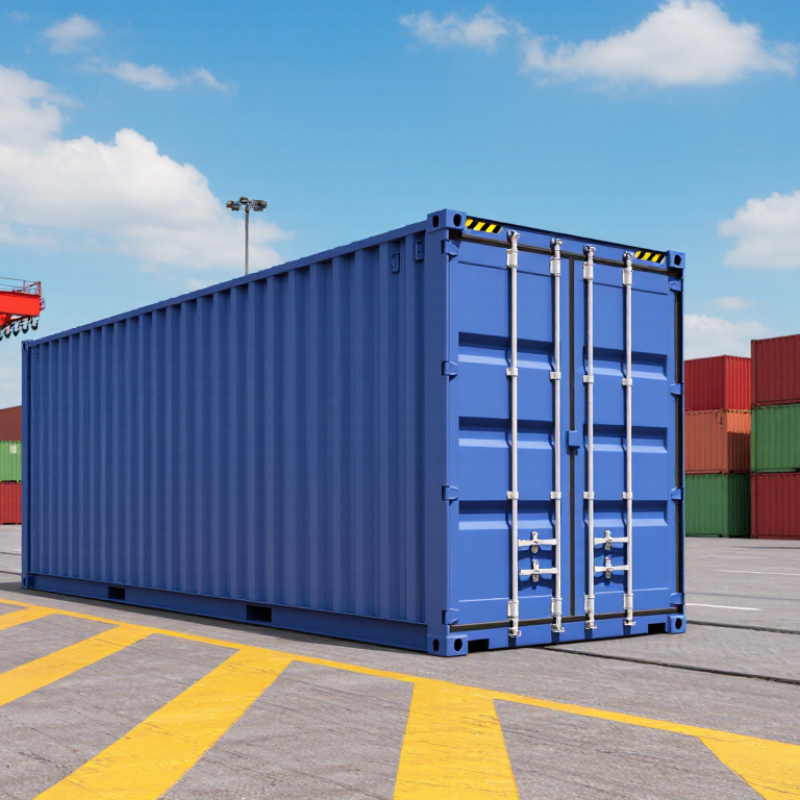
A 20 ft high cube container is a steel unit with the same general footprint as a standard 20 ft container, but greater exterior height. Its defining feature is usually a height of about 9 ft 6 in, roughly one foot taller than a standard container. Typical exterior dimensions are about 20 ft long and 8 ft wide. Inside, the usable height is lower because of the floor, roof beams, and door frame. Exact measurements vary by unit. Check its data plate.
That extra headroom can help when loading tall equipment, stacked cartons, or bulky furniture. It can also make it easier to use vertical storage space. But more volume does not mean more permitted cargo weight. Payload limits depend on the individual container, so check its markings and condition before planning a load. A common planning mistake is measuring the cargo but not the doorway. Measure both. A tape measure and a simple loading sketch can prevent awkward surprises. For a dependable fit, compare the item’s dimensions with the internal length, width, height, and door opening of the specific unit you will use.
How to Choose a 20 ft High Cube Container? – What Defines a 20 ft High Cube Container?
| Dimension or Feature | Typical 20 ft High Cube Specification | What to Check When Choosing |
|---|---|---|
| External length | Approximately 6.06 m (20 ft) | Confirm the available site and transport equipment can accommodate the container’s overall length. |
| External width | Approximately 2.44 m (8 ft) | Allow extra clearance for delivery, positioning, and access around the container. |
| External height | Approximately 2.90 m (9 ft 6 in) | This is about 30 cm taller than a standard-height container. Check overhead restrictions on roads, at gates, and at the installation site. |
| Typical internal length | Approximately 5.90 m | Compare the usable interior length with the longest items you plan to load. |
| Typical internal width | Approximately 2.35 m | Measure cargo and any packaging or securing materials; internal width is less than external width. |
| Typical internal height | Approximately 2.69 m | Useful for taller cargo, but confirm the actual internal clearance on the specific unit. |
| Typical door opening | Approximately 2.34 m wide × 2.58 m high | Check the largest item’s dimensions, including handling clearance. The door opening is smaller than the internal space. |
| Approximate internal capacity | About 37 m³ | Treat this as an approximate volume, not a guarantee of how much cargo will fit; cargo shape and loading method matter. |
| Maximum payload and tare weight | Varies by container and its specification plate | Check the container’s CSC safety approval plate and confirm road, shipping, and local weight limits before loading. |
| Best suited for | Cargo needing extra vertical clearance within a 20 ft footprint | Choose a high cube when added height is useful and the extra external height is acceptable for delivery and placement. |
Dimensions shown are typical approximate values. Actual measurements and weight ratings can differ by container design, age, and manufacturer; verify the specific unit’s data plate and measured clearances before purchase or loading.
Related Posts
-
What Is a Refrigerated Sea Container?
-
How to Choose the Right Cold Storage Container for Your Needs
-
What Is the Best 10 Foot Storage Container in 2026?
-

What is a Refrigerated Container and How Does it Work?
-
Top 5 Benefits of Using an 8ft Shipping Container for Your Storage Needs?
-
What is an ISO Container and How is it Used in Shipping?
