Skip to content

Top 10 Uses for an 8x10 Shipping Container

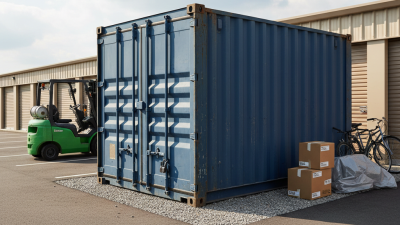
An 8x10 shipping container can become far more than a metal storage box. Its compact footprint fits narrow driveways, small construction sites, farms, and commercial yards. With roughly 80 square feet of interior space, it can protect tools, seasonal inventory, garden equipment, records, or packaged supplies from weather and daily clutter.

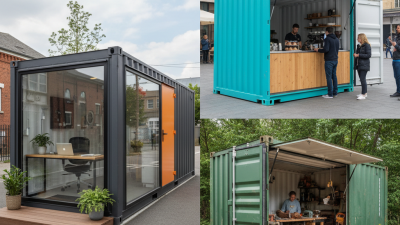
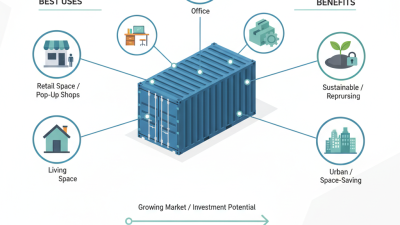
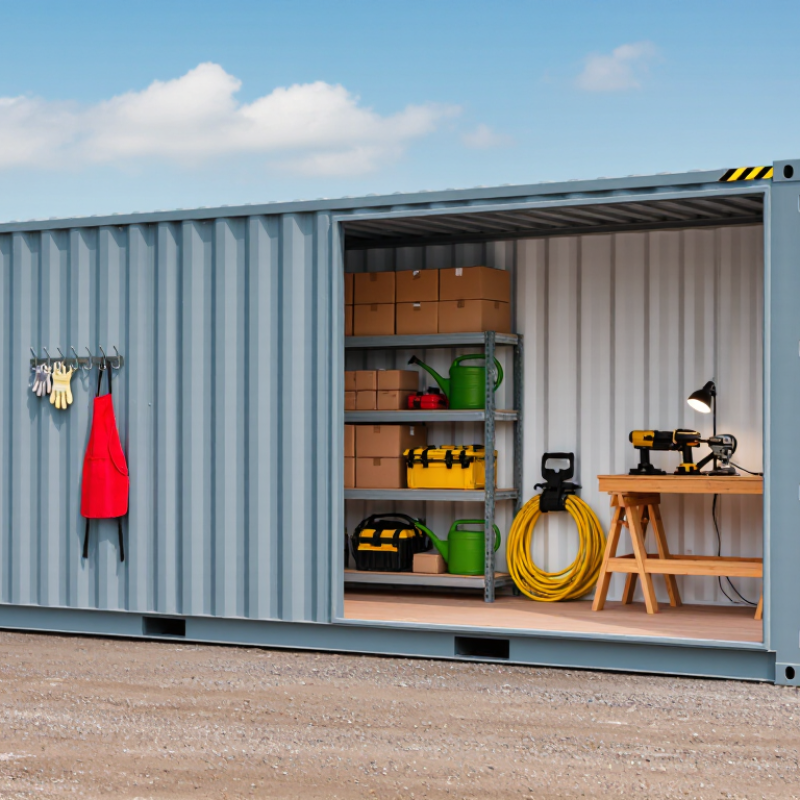
Architect Adam Kalkin, known for container-based design, has expressed a useful principle: “A container is a starting point, not a finished building.” That idea matters here. A reliable 8x10 shipping container needs inspection, ventilation, secure flooring, and suitable weatherproofing. It may serve as a workshop with a workbench, a garden shed with wall-mounted hooks, or a site office with lighting and insulation. Other practical uses include an equipment room, archive, retail kiosk, event booth, farm supply store, or emergency preparedness space. Simple uses work best.

The ten ideas in this guide focus on realistic performance, not flashy transformations. A steel box can be strong, but it can also become hot, damp, and uncomfortable without thoughtful modifications. That weakness deserves attention. Check door clearance, ground stability, roof condition, condensation control, and local planning requirements before installation. Some projects may require professional electrical work or structural advice. The details are easy to overlook. They should not be.

From a contractor’s viewpoint, the best use matches the container’s limits. Keep heavy items low. Leave airflow around stored materials. Use shelving that does not overload the walls. An 8x10 shipping container can solve a small-space problem, but only when planning comes before decoration.
Top 10 Uses for an 8x10 Shipping Container

Define the 8×10 Container: 80 Square Feet and Approximately 560 Cubic Feet

Top 10 Uses for an 8x10 Shipping Container

An 8×10 shipping container provides 80 square feet of floor area and approximately 560 cubic feet of storage volume. That space can hold garden tools, bicycles, seasonal decorations, camping equipment, or household boxes. The exact usable area may shrink after insulation, shelving, or interior lining. Measure carefully.

This footprint also works as a compact workshop, hobby room, archive, retail overflow area, event-supply store, site office, or secure equipment room. A workbench along one wall can preserve a narrow walking path. Vertical shelves make better use of the approximately seven-foot interior height. Keep heavier items low, especially power tools and dense storage bins.

From practical setup experience, ventilation matters more than many owners expect. Moisture can damage paper, fabrics, and unfinished metal. A raised base, sealed containers, and controlled airflow reduce that risk. Door clearance also deserves attention. I once planned shelving too close to the entrance, creating an awkward daily obstruction. The mistake was simple, but expensive to correct. Leave room for hand trucks and allow access to every stored item. An 8×10 container is useful, yet it is not a miniature warehouse. Overpacking quickly removes its convenience.

Use It for Household Storage: Furniture, Seasonal Goods, and Moving Inventory

An 8x10 shipping container provides roughly 80 square feet of household storage space. Interior measurements vary, so check the actual dimensions before loading large furniture. I have used one during a move, and it held a sofa, dining chairs, lamps, and several labeled cartons. Leave a narrow walking lane. Packing every inch makes retrieval frustrating.

Wrap furniture with breathable covers instead of sealing damp items in plastic. Place wooden pieces on pallets to keep them away from floor moisture. Seasonal goods, including holiday decorations, camping gear, garden tools, and winter clothing, can stay organized in stackable bins. Use clear labels on two sides of each container. Small details matter. Humidity still worries me.

For moving inventory, group boxes by room and record each group on a simple list. Keep frequently needed items near the doors, such as bedding, cleaning supplies, and basic cookware. Heavier boxes belong low, while lighter cartons can sit above them. Avoid storing paint, fuel, food, or anything that could spoil or create a hazard. A secure lock and regular inspections add practical protection. I once placed a box of documents too far inside, then had to unload half the container for one folder. That was poor planning. A basic moisture check after heavy rain can prevent expensive surprises.

Convert It into a Secure Workshop or Studio with 8-Foot Exterior Width

Top 10 Uses for an 8x10 Shipping Container

An 8x10 shipping container can become a secure workshop or compact studio. Its eight-foot exterior width fits many narrow driveways and side yards. The usable interior width is usually about 7 feet 8 inches, depending on construction. That leaves roughly 80 square feet of floor area. I would not call it spacious. My first layout was too optimistic.

A practical conversion needs insulation, ventilation, lighting, and a reinforced entry door. The U.S. Environmental Protection Agency reports that indoor pollutant levels can be two to five times higher than outdoor levels. OSHA guidance also supports effective ventilation where dust, fumes, or heat may develop. For energy control, the U.S. Department of Energy reports that air sealing can reduce heating and cooling costs by up to 20 percent. These figures support careful sealing, but they do not replace a local assessment. Steel transfers heat quickly, and condensation can damage tools, artwork, or electronics.

Tips: Install a raised floor, vapor control, and cross-ventilation before adding cabinets. Use lockable hardware, exterior lighting, and a visible alarm notice. Anchor the container according to local requirements. Keep a clear aisle near the entrance. A small extraction fan helps, but it may not handle every material safely. Test the layout with cardboard shelves first. Measure twice. Space disappears quickly. Check electrical work with a qualified professional, and confirm permits, setbacks, fire separation, and occupancy rules before conversion.

Deploy It for Retail, Farm, and Construction Storage: Tools and Materials

Top 10 Uses for an 8x10 Shipping Container

A nominal 8x10 shipping container provides about 80 square feet of floor space. That footprint suits retail overflow, farm supplies, and construction staging. The actual internal volume varies by wall thickness and height. Measure it before ordering shelves.

For retail storage, use lockable racks for cartons, seasonal displays, and packaging materials. Keep a clear center aisle.

The U.S. Census Bureau reported that e-commerce represented 15.9% of total U.S. retail sales in 2023.

That growth increases the need for nearby stock space, especially for small shops. A container can support faster replenishment, but poor labeling creates expensive searching. Add ventilation and inspect for condensation.

On farms, the unit can hold hand tools, irrigation fittings, seed bags, and protective equipment.

The 2022 Census of Agriculture recorded more than 1.9 million U.S. farms, showing the scale of dispersed agricultural storage needs.

Keep chemicals and fuels outside this general storage area. Construction crews can stage fasteners, power tools, cable, and boxed materials near the work zone. The Associated General Contractors’ 2024 outlook highlighted continuing labor and supply-chain pressures across construction. Secure shelving prevents movement during transport. Anchor the unit on level ground. It is not a warehouse. Moisture, heat, and access limitations still require regular checks.

Adapt It for Offices, Shelters, and Site Facilities with Professional Insulation

Top 10 Uses for an 8x10 Shipping Container

An 8x10 shipping container can become a compact office, welfare room, equipment store, or emergency shelter. Its steel shell is strong, but it transfers heat quickly. Without insulation, summer interiors may feel like an oven, while winter walls can become cold and damp. Professional insulation changes that performance. Rigid boards, spray foam, or insulated panels can reduce heat movement around the walls, roof, and floor. The best choice depends on climate, budget, available interior space, and expected occupancy.

For offices and site facilities, install insulation continuously around the envelope. Pay close attention to the ceiling and steel framing, where thermal bridges often appear. Add a durable internal lining, sealed service penetrations, and controlled ventilation. Shelters also need comfortable flooring, safe electrical planning, and moisture management.

A small container has limited air volume. Poor ventilation can quickly create condensation, odors, and tired occupants. It is easy to focus on wall thickness and overlook the floor. That mistake is common.

Tips: Check insulation thickness against local building requirements. Leave room for wiring and maintenance access. Use a moisture-resistant floor finish near entrances. Inspect seals after heavy rain. If the container will house people daily, ask a qualified professional to assess fire safety, ventilation, and structural changes. Insulation is not a complete solution by itself, and my first layout would rarely be my final one. Small design revisions often improve comfort more than expensive upgrades.

Conclusion

An 8x10 shipping container provides approximately 80 square feet of floor space and about 560 cubic feet of enclosed storage. Its compact footprint makes it useful for organizing household furniture, seasonal decorations, moving inventory, gardening equipment, and other belongings that need protection from weather and clutter. With an exterior width of about eight feet, it can also be adapted into a secure workshop, creative studio, hobby room, or equipment area when properly planned.

Beyond residential use, this container can support retail operations, farms, construction projects, and temporary site facilities by storing tools, materials, and supplies close to where they are needed. With professional insulation, lighting, ventilation, and interior finishing, it may also serve as a small office, shelter, or practical workroom. Before choosing an 8x10 shipping container for any purpose, evaluate access, security, airflow, climate control, floor strength, and payload capacity to ensure it suits the intended use safely and efficiently.

Call free on
0800 1954 538