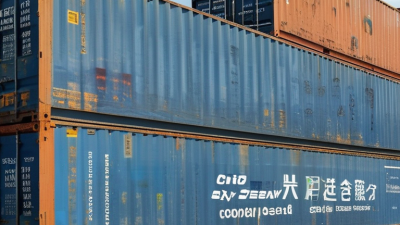
A 15ft shipping container can be a practical fit for a compact site, workshop, or storage area. But its price is not set by length alone. Condition matters. A used unit may cost less, but dents, floor wear, rust, and door seals deserve a close check. A newer container may look cleaner and need fewer repairs, though it usually comes at a higher price. Availability also varies because 15-foot models are less common than standard sizes. That can make two local quotes differ more than you expect.
The purchase price is only part of the budget. Ask whether delivery, unloading, taxes, and site access are included. A narrow driveway, soft ground, or overhead branches can affect delivery arrangements and cost. If you need paint, shelving, insulation, or another modification, request an itemized quote before ordering. Check the container’s actual dimensions too; advertised size and usable interior space are not the same. Prices change by region, supplier, condition, and season, so any online figure is a starting point—not a promise. I would compare written quotes and inspect photos carefully, while remembering that photos can miss details. The sections ahead explain typical cost factors, delivery expenses, and what to check before choosing a 15ft shipping container.
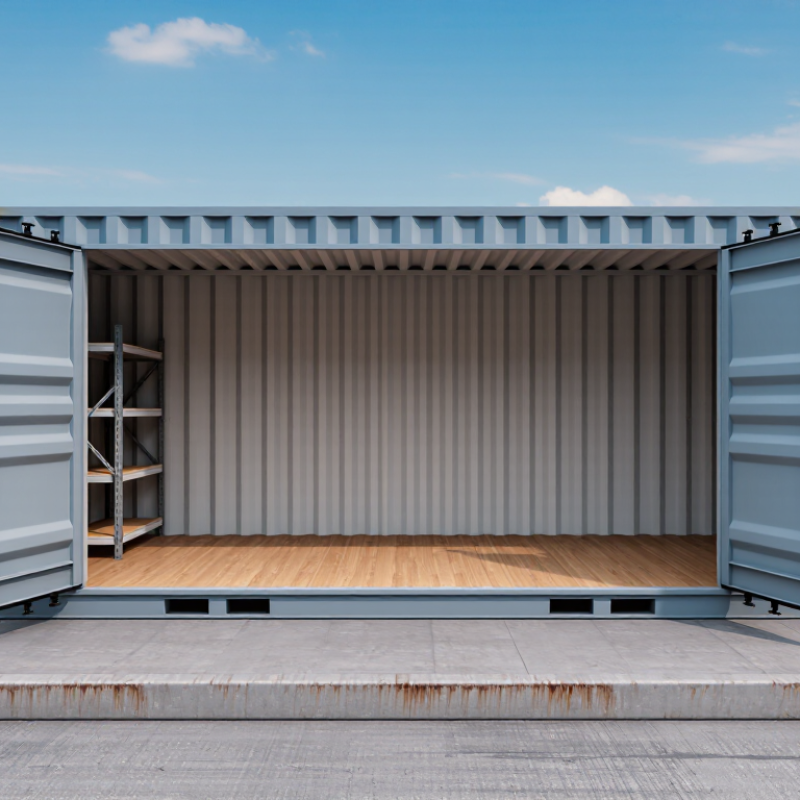
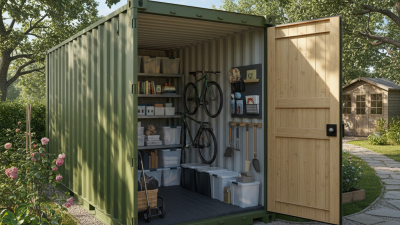
A 15-foot shipping container is a compact steel storage unit measuring about 15 feet from end to end on the outside. Most are around 8 feet wide and 8 feet 6 inches tall, though dimensions can vary by model. The “15-foot” label describes the exterior length, not the usable floor space. Inside, corrugated walls and door hardware take up room.
It is shorter than the more familiar 20-foot container, which can make it easier to place in a driveway or on a small worksite. The steel shell protects stored items from rain and wind when the doors and seals are in good condition. Still, not every 15-foot unit is built alike. Some are converted or modified, so interior measurements, door openings, and ventilation features may differ. That detail is easy to overlook.
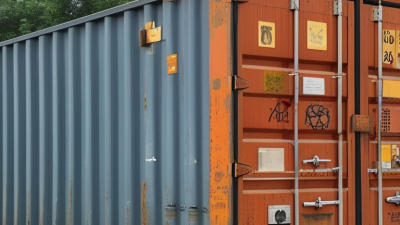
Before choosing one, measure the intended placement area and the largest item that needs to pass through the doors. Check the interior length and width, not just the advertised size. A tape measure helps. Also inspect the floor for soft spots, the corners for dents, and the door seals for gaps. A used container may show surface rust or uneven paint; those signs alone do not tell the whole story, but they deserve a closer look.
A 15-foot container is a nonstandard size, so availability and pricing vary by supplier, condition, location, and delivery distance.
Estimated U.S. purchase prices: Used containers may cost about $2,000–$4,000, while new containers may cost about $3,500–$6,000. These are indicative budgeting ranges, not live quotes; delivery, taxes, and modifications may add to the total.
A typical 15-foot shipping container costs about $2,000 to $4,500 in the United States. Used units with sound floors and working doors usually sit near the lower end. A new or near-new container may cost more, especially if 15-foot stock is scarce nearby. This size is less common than standard lengths, so prices can vary sharply between sellers and regions.
Delivery can add roughly $300 to $1,000 or more. Distance, access, and unloading equipment all affect the fee. Ask whether the quote includes delivery, placement, and any taxes. Check the container in person if possible: look for rust-through, bent corner fittings, damp smells, and doors that do not close evenly. Small cosmetic dents are common. Serious floor damage is different. A low advertised price may reflect poor condition or a delivery charge listed separately, so compare complete quotes rather than headline prices. I would not assume every 15-foot unit is truly the same size or condition; confirm its exact dimensions and inspect the photos carefully. The final figure depends on local supply.
Indicative U.S. price ranges in USD. A 15-foot container is often a modified or less-common size, so availability and pricing vary by seller and location.
| Purchase or cost item | Typical price | What to expect |
|---|---|---|
| Used 15-foot container | $1,800–$3,000 | May show cosmetic wear, dents, or surface rust. Check door operation, floor condition, and weather-tightness before buying. |
| Refurbished 15-foot container | $2,500–$4,000 | Typically repaired or cleaned and inspected; the exact work included differs by seller. |
| New or one-trip 15-foot container | $3,500–$5,500 | Generally in better condition, but a 15-foot unit may be a custom-cut or modified container rather than a standard size. |
| Delivery and placement | $300–$1,200+ | Depends on distance, truck type, access, and whether specialized unloading equipment is needed. |
| Estimated delivered cost: used unit | $2,100–$4,200+ | Approximate container price plus typical delivery; taxes, site work, and difficult placement are not included. |
| Estimated delivered cost: new or one-trip unit | $3,800–$6,700+ | Approximate container price plus typical delivery; confirm the unit’s actual condition and dimensions before ordering. |
| Rental, where available | $100–$250 per month | Rates vary with rental term, delivery, pickup, location, and availability; deposits or minimum terms may apply. |
These are broad planning estimates, not quotes. Request a written, delivered-price quote and verify access, placement requirements, taxes, and container condition.
The purchase price of a 15-foot shipping container depends on more than its age. These containers can be less common than standard lengths, so local availability may affect the quote. A used unit with straight doors, a dry interior, and a sound floor usually costs more than one needing repairs. Check the roof seams and door edges for rust or water marks. “Good condition” can mean different things to different sellers. Ask for recent photos.
Delivery can change the total significantly. Distance, truck access, and unloading equipment all matter. A narrow driveway or soft ground may require extra planning. Request delivery as a separate line on the quote. It helps prevent surprises. Also confirm whether the price includes placing the container where you need it, rather than leaving it at the curb.
Custom work adds cost, too. Insulation, extra doors, ventilation, or a fresh coat of paint can raise the purchase price. The materials and workmanship matter, not just the feature list. Compare quotes with the same specifications and ask what is excluded. Pricing is not always tidy; condition assessments can be subjective, so an in-person inspection may be worth the time.
A 15-foot container usually costs more per foot than a standard 20-foot unit. It is a less common size, and sellers may need to cut down, reinforce, or custom-build the box. As a benchmark, 2024 industry container-price tracking placed new 20-foot units in China near US$2,000 and used units around US$1,200. These are market indicators, not firm prices for 15-foot containers; location, delivery, and condition change the final quote.
New units offer cleaner floors, tighter doors, and less hidden corrosion. They suit storage where weather protection matters. Used units cost less, but inspect the roof seams, corner posts, door gasket, and floor for rust, leaks, or repairs. A dent is not always a problem. A soft floor is. A lower purchase price can become a false saving if repairs are needed.
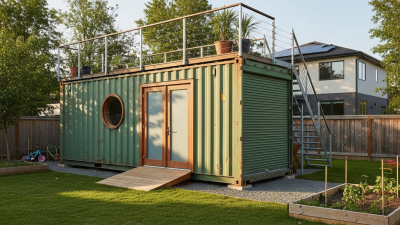
Modified containers typically cost the most because labor and materials add up quickly. A side door, insulation, electrical work, or ventilation can each change the quote. Industry price reports track standard sizes more consistently than custom 15-foot units, so compare written quotes with the same delivery and modification scope. One detail is easy to miss: a 15-foot box may not fit standard transport equipment, which can raise delivery costs. Check access before ordering.
A 15ft container’s price is only part of the bill. Delivery can change the total sharply: distance, truck access, and unloading method all matter. A narrow driveway or soft ground may require a crane or telehandler. Those services are usually quoted separately. For context, the American Rental Association’s 2024 Equipment Rental Industry Forecast estimated U.S. equipment-rental revenue at about $78.2 billion, reflecting a substantial rental market—not a fixed price for your delivery. Ask suppliers to itemize transport, offloading, and any waiting-time charges.
Site preparation brings another set of costs. A level gravel pad can help keep the container stable, while poor drainage may leave water pooling beneath it. Clearing, grading, or adding crushed stone can raise the budget; the amount depends on soil and access. Check local requirements for placement before ordering, and confirm whether taxes, locks, vents, or delivery-day adjustments are excluded. I would not trust a low quote until these details are written down.
Tips: Send the seller clear photos of the route and placement area. Ask for an all-in quote, including unloading, site work, and applicable taxes. That prevents surprises.