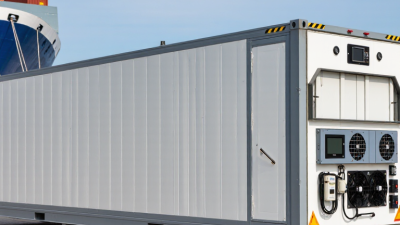
Choosing a 30ft container is not just a matter of picking a size. The right type depends on what you need to store or move, how goods will be loaded, and where the unit will sit. A dry container may suit boxed inventory, while temperature-sensitive products may call for a refrigerated model. Open-side, insulated, or flat-rack designs can solve specific handling problems, but they are not available from every supplier. That matters.
In this guide to 2026’s leading 30ft container types, we compare practical uses, strengths, limitations, and key checks before purchase or rental. We look at access, ventilation, insulation, payload, and site conditions—not just product labels. A narrow driveway, uneven ground, or limited forklift access can change what works. Small details count. Exact dimensions, door openings, equipment, and load ratings can vary by manufacturer and region, so confirm the specification sheet for the individual unit. Do not assume that two containers with the same name offer identical capacity. There is no single best choice for every buyer. A careful comparison can narrow the options, though sometimes the trade-offs remain inconvenient. The aim is a clear, evidence-minded starting point for matching container type to real operating needs.
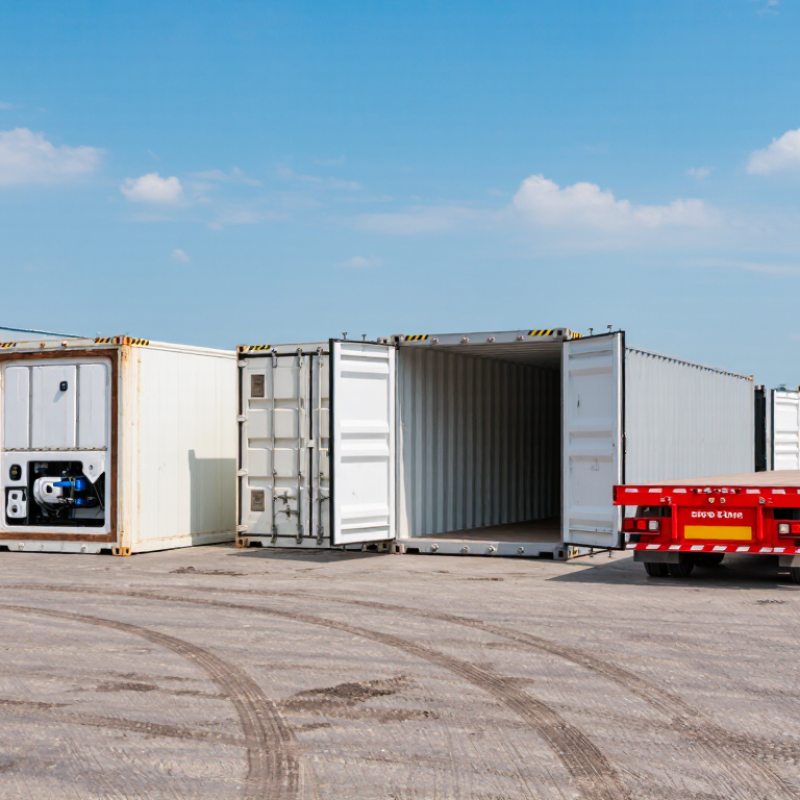
A 30-foot container is a storage or transport unit measured by its nominal outside length, not a promise of identical usable space. Its external length is about 30 feet, while width and height depend on the design. A standard-height model is often around 8 feet 6 inches tall; a high-cube version is roughly 9 feet 6 inches. Exact measurements vary. Check the supplier’s specification sheet before planning a close fit.
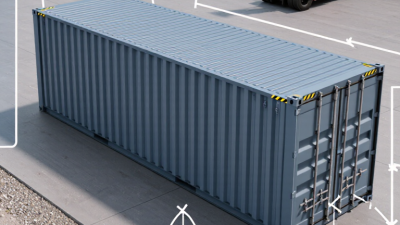
Interior dimensions are smaller because walls, corner posts, flooring, and doors take up room. A dry model may offer roughly 29 feet of interior length and about 7 feet 8 inches of width, but these figures are only typical. Door openings can be narrower than the interior. Small difference. Big consequence. A pallet or cabinet that fits inside may still be difficult to load through the doors.
The type also changes usable space. Insulated or refrigerated models have thicker walls, reducing interior width and length. Open-top designs may differ in roof clearance and loading access. “30-foot” alone is not enough for a reliable comparison. Measure the cargo, doorway, and installation area, then allow clearance for handling. One easy mistake is planning around outside dimensions only; even a careful drawing can miss door hardware or uneven ground.
Thirty-foot containers sit between common 20-foot and 40-foot units, but availability varies by supplier. Standard dry models suit boxed goods, tools, furniture, and packaged materials that need weather protection. A small workshop move, for example, may fit neatly without paying for unused space in a longer unit. Check internal dimensions, door clearance, and payload limits; the stated length alone can mislead.
High-cube versions add interior height for bulky, lightweight cargo such as stacked furniture or tall equipment. Refrigerated models are used for temperature-sensitive food and other controlled cargo, with airflow space needed around cartons. The cooling unit also reduces usable interior length. That matters. Record the required temperature and loading conditions before choosing one.
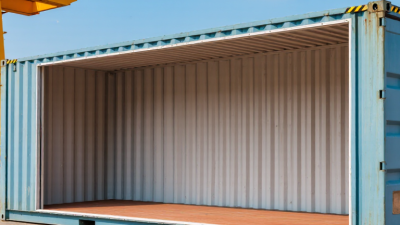
Open-top containers allow cranes to load tall machinery or materials from above, while flat racks accommodate oversized equipment that cannot pass through standard doors. These types can be harder to source in a 30-foot length, and their dimensions may differ between designs. Ask for the actual specification sheet, not just a product label. Measure twice. I would compare the cargo’s shape, handling method, and route constraints before settling on a type; I have seen a technically suitable container become awkward at the loading bay.
A 30-foot container is a useful middle size, but its capacity depends on the build. A common dry model offers about 1,780 cubic feet of interior space. A high-cube version may approach 2,000 cubic feet, with extra height for bulky cartons or stacked equipment. These are working estimates, not guaranteed specifications. Check the unit’s data plate and drawings before planning a load.
The design changes usable space. A refrigerated container has insulated walls and cooling equipment, so its cargo area is smaller than a dry unit’s. An open-top model allows loading from above, but its roof arrangement can limit protection and stacking. Flat racks suit long or unusually shaped cargo; they do not provide enclosed cubic capacity. ISO 668 sets container size and rating classifications, yet a 30-foot unit’s exact dimensions can still vary by design.
Demand matters, too. UNCTAD’s Review of Maritime Transport 2024 reports that global maritime trade grew 2.4% in 2023. That figure does not identify the best container type, but it highlights why handling and route compatibility deserve attention. Measure the narrowest doorway, not just the cargo. Small details matter. I would compare internal dimensions, tare weight, payload rating, and handling points together; choosing by advertised volume alone is an easy mistake.
Choosing a 30-foot container starts with the cargo, not the name. Measure the load and compare it with the container’s actual internal length, width, and height. Door openings matter too; a bulky item may fit inside but fail to pass through the doors. Dimensions can vary by design and condition. Check the specification sheet before planning a tight fit.
Cargo shape helps narrow the type. A standard dry container suits many boxed or palletized loads. A high-cube model may provide extra headroom, while an open-top design can help with tall cargo loaded from above. Temperature-sensitive goods may need an insulated or refrigerated unit, but that adds operating needs and cost. Keep it simple where possible. Don’t choose a special feature just because it sounds useful.
Compare payload limits, floor condition, and ventilation against the real load. A container’s listed capacity does not guarantee that the floor can handle concentrated weight; heavy machinery may need its load spread across supports. Check the unit’s doors, seals, and interior for damage before committing. Delivery also deserves attention: measure the access route, turning space, and ground firmness. A perfect container is no use if the truck cannot place it safely. Pricing can be tricky, too. A lower rental or purchase price may not include delivery, handling, or required equipment, so compare the full cost rather than one headline figure.
A 30-foot dry container suits palletized stock, tools, or building materials that need weather protection without the unused space of a longer unit. For tall cartons or bulky furniture, a high-cube version provides extra vertical clearance. Check the actual internal dimensions before loading; door openings and corner fittings can matter more than the advertised capacity. A tape measure helps.
Choose a refrigerated 30-foot container for temperature-sensitive food or other controlled cargo. Record the required temperature range and inspect the floor channels, seals, and power connection before use. For cranes, compact machinery, or awkward loads, an open-top unit allows loading from above; a flat rack is better when cargo exceeds standard width or height. These options can complicate storage and transport. Sometimes the simpler dry box is safer.
Confirm local equipment compatibility before ordering. ISO 668:2020 defines container classifications and dimensions, but a 30-foot unit may not fit every terminal’s handling setup. That matters across a maritime system carrying over 80% of world trade by volume, according to UNCTAD’s Review of Maritime Transport 2024. Ask the carrier and destination facility to verify acceptance, lifting points, and usable space. One detail is easy to miss: a container that fits the cargo may still create delays if the route cannot handle it.
A practical comparison of common container configurations against typical cargo needs.
How to read this chart: Scores indicate qualitative suitability, from 1 (poor match) to 5 (strong match); they are a practical comparison, not measured capacity or a product specification. Dry containers suit general cargo, high-cube versions help with taller or bulky loads, reefers control temperature, open-tops allow loading from above, flat-racks accommodate oversized cargo, and tank containers carry bulk liquids. Thirty-foot units and their specifications can vary by supplier and market, so confirm dimensions, payload, and availability before selecting one.