Skip to content

China Top 20 Foot Storage Container Price?

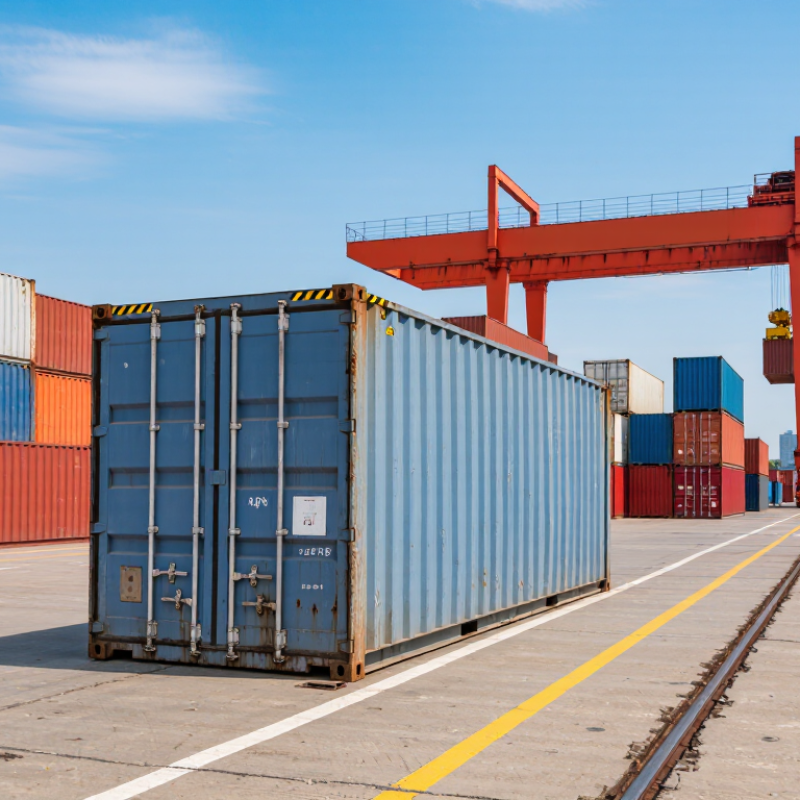
China’s 20 foot storage container market attracts buyers seeking practical space at a controlled cost. Prices can look simple online, yet the final amount often depends on several visible and hidden details. A used unit may cost less than a new one, but dents, rust, floor damage, and leaking door seals can create future expenses. Location matters too. A container in Shanghai may have a different price from one in Guangzhou, Qingdao, or an inland city.

Christian Roeloffs, co-founder and CEO of Container xChange, has said, “Container prices are always a function of supply and demand.” His observation explains why China’s prices can change with shipping activity, steel costs, depot inventory, and seasonal demand. Buyers should also check delivery distance, crane unloading, taxes, paint condition, lock-box installation, and possible modifications. A quote without transportation details is incomplete.

This guide examines China’s top 20 foot storage container prices through supplier comparisons, condition grades, and practical purchasing factors. It also considers whether a new, one-trip, or used 20 foot storage container offers better value. The cheapest option may not be the wisest. A rusty corner can become a serious maintenance issue after one rainy season. Some market listings remain vague, and that deserves careful questioning. Readers should request recent photos, internal measurements, warranty terms, and a written landed-cost breakdown before making a decision. Prices move. Budget assumptions should move carefully too.

China Top 20 Foot Storage Container Price?

What Is the Price of China-Made Foot Storage Containers?

A China-made 20-foot storage container usually costs between USD 1,500 and USD 2,800. This range often covers a new, standard dry container before ocean freight and local delivery. Used units may cost less, sometimes around USD 800 to USD 1,500. Condition matters more than age alone.

A practical quotation should identify steel thickness, floor material, door seals, locking bars, ventilation, and paint quality. A clean interior and a level floor are important for furniture, tools, and boxed inventory. Ask for recent photos, loading measurements, and inspection records. A reliable supplier should explain whether the price is EXW, FOB, or delivered. These terms can change the final cost sharply.

From my experience reviewing container purchases, freight is often underestimated. Port charges, inland transport, customs handling, and unloading equipment may add hundreds of dollars. A crane or forklift might be necessary at the destination. Prices also change with steel costs and seasonal shipping demand. My estimate is useful for planning, not a final offer. Some low prices look attractive, but damaged floors or weak door seals create repair costs later. I would request a written specification and a fixed quotation period before placing an order.

Which Factors Affect Foot Storage Container Prices in China?

China Top 20 Foot Storage Container Price?

The price of a 20-foot storage container in China depends on more than steel costs. A new, wind-and-watertight unit usually costs more than a used cargo container. Container xChange’s 2024 market reports show that used container prices vary sharply by location, age, and stock availability. Coastal depots often offer lower prices because empty units are easier to source. Inland delivery can change the final quotation substantially.

Steel remains a major cost driver. The World Bank’s Commodity Markets Outlook tracks large movements in steel-related raw material prices, which can influence container manufacturing costs. Freight also matters. Drewry’s World Container Index recorded strong volatility during 2024, raising the cost of moving finished containers between ports. Door delivery, crane unloading, repainting, flooring repairs, locks, and customs handling may appear as separate charges. Some quotations look cheap, but omit these services. That is a common purchasing mistake.

Tips: Ask for a factory inspection record, steel thickness, floor condition, coating details, and delivery distance. Request a full landed price, not only the unit price. Compare at least three written quotations. Confirm whether the container is genuinely wind-and-watertight. A small dent is acceptable; hidden roof leakage is not. I would also leave room for uncertainty, because depot inventory and shipping rates can change within days.

China 20-Foot Storage Container Price: Which Factors Affect Prices?

Indicative China export-market prices for standard 20-foot dry storage containers. Prices are shown in USD per unit and exclude inland delivery, ocean freight, customs duties, taxes, and site preparation. Condition, steel costs, location, customization, and shipping demand are the main price drivers.

Typical indicative ranges: used wind-and-water-tight containers generally cost about $800–$1,500, cargo-worthy units about $1,200–$2,200, and new or one-trip units about $1,800–$3,000. Actual quotations vary by port, inspection result, paint condition, flooring, locking gear, and order quantity.

How Are Foot Storage Containers Classified by Size and Design?

China 20-Foot Storage Container Price: How Are Containers Classified by Size and Design?

A 20-foot storage container usually measures about 6.06 meters long. Its standard width is 2.44 meters, with an external height near 2.59 meters. Internal dimensions vary slightly after wall panels and floor construction. A standard model suits tools, furniture, inventory, and workshop materials. A 40-foot unit offers nearly twice the floor length, while a 10-foot model fits narrow yards and small construction sites. High-cube versions add roughly 30 centimeters of internal height. That space matters for shelving and tall equipment.

Design classification changes both use and price. Standard side-opening units have doors at one end and usually cost less. Double-door models allow access from both ends. Side-opening designs simplify loading pallets, but their extra hardware can increase maintenance needs. Open-side containers provide a wider working area. Insulated units reduce temperature changes, although they may cost more than basic steel storage models. Ventilated designs help reduce condensation. They do not replace proper moisture control.

From practical inspections, floor condition, door alignment, weld quality, and paint coverage affect the real value. I once underestimated rust around a door frame; the repair became expensive. A low quotation may exclude delivery, repainting, internal shelves, or local taxes. New, used, and refurbished units therefore sit in different price ranges in China. Ask for external and internal measurements, steel thickness, photographs, inspection records, and a complete delivery quotation. Details matter.

How to Compare Chinese Suppliers, Quality, and Price Quotations?

When comparing China’s 20-foot storage container prices, do not judge the lowest quotation first. Ask every supplier for the same specification sheet. It should state external dimensions, steel thickness, floor material, door design, paint system, and usable payload. A quotation without these details is not a real comparison. It is only a starting number.

My early purchasing mistake was comparing a thin-wall unit with a heavy-duty unit. The cheaper container looked attractive, but its floor flexed under concentrated loads. Now I request material certificates, welding photographs, coating information, and recent production records. I also check whether the quoted price includes delivery to the factory gate, port handling, export packing, or ocean freight. Small wording differences can change the final cost significantly.

Quality checks should include door alignment, roof seams, corner fittings, water resistance, and internal measurements. An independent pre-shipment inspection can verify these points before payment. Supplier experience matters, but documented evidence matters more. Ask for references from similar orders, not only polished showroom images. Prices also vary with steel markets, exchange rates, order quantity, and customization. I still leave room for error, because supplier drawings may contain outdated measurements. Request a signed final specification before production begins. Then compare quotations line by line, using identical delivery terms and inspection requirements.

What Should Buyers Know About Shipping, Import Costs, and After-Sales Service?

China Top 20 Foot Storage Container Price?

China 20-foot storage container prices often range from US$1,500 to US$3,000 for new units. Used units may cost US$800–US$1,500, depending on corrosion, flooring, doors, and paint. These are indicative factory-level ranges, not landed prices. The 2024 Container Market Forecaster shows that equipment values change sharply by location and availability.

Shipping can change the decision quickly. UNCTAD’s Review of Maritime Transport 2024 describes continuing freight volatility and route disruption. Request separate quotes for ocean freight, terminal handling, customs clearance, documentation, and inland delivery. Freight is not a footnote. World Container Index data also shows that weekly shipping costs can move dramatically. Import duty and VAT depend on the destination’s tariff code, customs value, and local rules. An apparently cheap offer may become expensive after port storage or inspection charges.

After-sales service deserves contractual detail. Request photos of the actual unit, a pre-shipment inspection, warranty terms, and replacement-part response times. Check door seals, locking bars, corner posts, flooring, and internal dimensions. Buyers should confirm whether the unit is cargo-worthy or storage-only. That distinction matters. Some sellers promise fast support, yet vague wording creates disputes. I would budget for minor repairs, even after a clean inspection. Real containers age unevenly.

China Top 20-Foot Storage Container Prices: Shipping, Import Costs, and After-Sales Service Guide
Cost or Evaluation Dimension Typical Data or Price Range What the Buyer Should Know Recommended Verification Before Payment
New 20-Foot Standard Dry Container USD 1,900–3,200 per unit Usually includes a new or near-new steel structure, standard cargo doors, plywood flooring, and basic ventilation. Prices vary with steel costs, paint system, specifications, and production location. Confirm manufacturing year, external and internal dimensions, floor condition, door operation, paint thickness, and whether the price is EXW, FOB, or another trade term.
Used Wind-and-Watertight Container USD 1,200–2,300 per unit Often suitable for general storage when cosmetic damage is acceptable. Age, previous cargo use, corrosion, dents, floor repairs, and door-gasket condition have a major effect on price. Request dated photos or an independent inspection showing the roof, corner castings, underside, door seals, locking bars, and floor.
High-Cube Alternative Usually USD 150–500 more than a standard-height unit A 20-foot high-cube container is generally about 30 cm taller than a standard unit and offers additional internal height. Availability can be lower than for standard 20-foot units. Confirm that the site has enough clearance for delivery, lifting, and final positioning.
Standard External Dimensions Approximately 6.058 m long × 2.438 m wide × 2.591 m high These are common ISO dimensions for a standard 20-foot dry container. Actual dimensions can vary slightly by manufacturing tolerance and design. Compare the supplier’s technical drawing with the available site width, length, access road, and lifting area.
Typical Internal Capacity Approximately 33.1 m³ Typical internal dimensions are about 5.898 m long × 2.350 m wide × 2.390 m high. Door openings are smaller than the internal width and height. Check the internal door opening before ordering large equipment, pallets, or shelving.
Tare Weight Approximately 2,200–2,400 kg The empty weight depends on the floor, steel thickness, door design, and container manufacturer. The maximum payload is commonly around 28,000 kg, subject to the container plate and transport regulations. Use the actual CSC safety plate and container markings rather than relying only on a catalogue specification.
Origin Handling and Documentation Approximately USD 200–600 per container May include terminal handling, documentation, export customs processing, weighing, and other origin charges. The exact items depend on the export port and forwarder. Request a written origin-charge breakdown and confirm which items are included in the quoted Incoterm.
Ocean Freight to a Major Overseas Port Approximately USD 800–3,000 per 20-foot container Rates change with route, season, fuel costs, equipment availability, congestion, and carrier surcharges. Door-to-door quotations are usually higher than port-to-port quotations. Ask whether the quote includes peak-season, fuel, security, low-sulfur, congestion, and destination surcharges.
Destination Port Charges Approximately USD 500–1,800 per container Common items include terminal handling, destination documentation, delivery-order fees, port security, inspection, and container-related charges. Local port tariffs differ substantially. Obtain a destination disbursement estimate from a local customs broker or freight forwarder before shipment.
Inland Delivery and Final Positioning Approximately USD 300–2,000+ Cost depends on distance, road access, urban restrictions, chassis availability, and whether a tilt-bed truck, crane truck, or separate crane is required. Provide photographs, gate width, road measurements, overhead-clearance details, and the required placement point.
Import Duty and Tariff Often 0%–15%, depending on classification and destination Duty is determined by the destination country’s tariff classification, origin rules, material, condition, and customs valuation. A 20-foot container is commonly classified under a heading related to transport equipment, but the final code must be confirmed locally. Have a licensed customs broker confirm the applicable HS or tariff code before signing the purchase contract.
Import VAT, GST, or Sales Tax Commonly 5%–27%, depending on destination Import tax is normally calculated from the customs value plus applicable freight, insurance, duty, and other taxable charges. Rates vary by country and, in some markets, by region. Confirm the tax base, recoverability for registered businesses, and whether tax must be paid before customs release.
Customs Brokerage and Inspection Approximately USD 100–500, excluding special inspections Broker fees, customs exams, document corrections, storage, and demurrage are normally separate from the supplier’s container price. Confirm broker fees, free storage time, customs-examination procedures, and demurrage rates in writing.
Estimated Landed Cost Before Local Taxes Approximately USD 3,500–8,500 per unit This broad estimate combines the container price, origin costs, ocean freight, destination charges, and inland delivery. Remote delivery, special equipment, and port congestion can increase the total. Compare quotations on the same basis, such as FOB, CIF, or DDP, and require a line-by-line landed-cost calculation.
Container Condition Inspection Strongly recommended An independent pre-shipment inspection can check dimensions, corrosion, doors, seals, floor condition, welds, roof leaks, markings, and visible structural damage. Use a dated inspection report with photographs and ensure the report identifies the exact container number.
Leak-Test Requirement Visual inspection plus daylight or water testing A storage container should be wind- and watertight for ordinary goods. Small roof holes, damaged door gaskets, and floor penetration can cause significant storage losses. Require documented results and define acceptable repair standards in the sales contract.
Warranty Expectations Commonly 6–12 months for manufacturing defects Warranty coverage may exclude normal wear, corrosion from coastal environments, misuse, modifications, improper lifting, and damage during local delivery. Confirm the warranty period, covered parts, claim evidence, response time, replacement policy, and who pays labor and transport costs.
Spare Parts and Repairs Door gaskets, locking bars, hinges, flooring panels, vents, and paint are commonly replaceable Standard components are generally easier to source than custom fittings. Repair costs depend on labor rates and local availability. Ask for a spare-parts list, component dimensions, repair instructions, and the expected dispatch time.
Payment and Shipment Protection Use staged payment linked to inspection and shipping documents Payment terms should clearly connect the balance payment to inspection approval, container identification, and receipt of agreed documents. Verify the legal seller, bank-account details, commercial invoice, packing list, bill of lading, and insurance responsibility.
Typical Delivery Time Approximately 4–10 weeks after order confirmation Production, inspection, booking, port congestion, customs clearance, and inland delivery all affect the final schedule. Used units may ship faster when available from stock. Request separate dates for production completion, inspection, vessel departure, port arrival, customs release, and final delivery.
Best Value Assessment Compare total landed cost rather than factory price alone The lowest unit price can become more expensive after freight, taxes, repairs, storage, delivery equipment, and warranty limitations are included. Use a total-cost worksheet covering purchase price, freight, duties, taxes, port charges, delivery, inspection, installation, and potential repairs.
Pricing basis: Indicative 2025–2026 market ranges in USD for one 20-foot dry storage container shipped from China. Actual quotations depend on specifications, quantity, export port, destination, Incoterm, exchange rates, freight conditions, customs classification, and local taxes. Buyers should obtain a current written quotation and confirm import requirements with a licensed customs broker.
Call free on
0800 1954 538