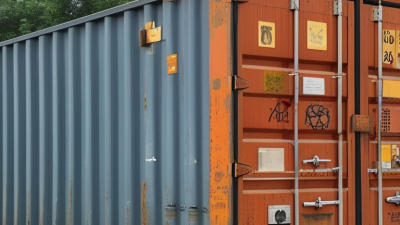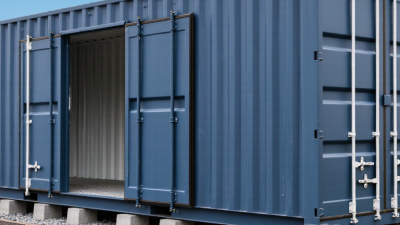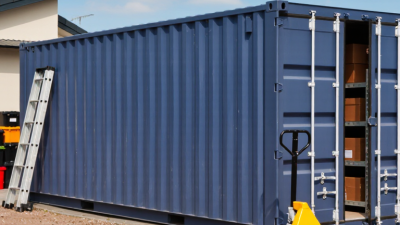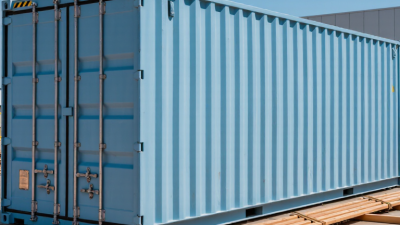
Selecting the right container can influence cost, handling efficiency, and cargo protection throughout global shipping. A 10ft container offers a practical option for smaller consignments that do not justify a standard 20ft unit. Its compact footprint can fit limited storage yards, urban warehouses, and construction sites with restricted access. That matters when every square meter has a cost.
Small, but capable.
Depending on the manufacturer, a 10ft container may provide roughly half the internal volume of a 20ft container. Exact dimensions, payload limits, door openings, and flooring materials can vary. Shippers should confirm published specifications before booking. Experience shows that assumptions create avoidable problems, especially when pallets, forklifts, or oversized cartons are involved. Measure the cargo carefully. Then measure it again.
This container size can support consolidated shipments, equipment transport, temporary storage, and regional distribution. It may reduce unused space and simplify handling when the cargo volume remains modest. However, the choice is not automatically cheaper. Ocean freight rates, terminal charges, inland delivery, repositioning fees, and availability can change the final calculation. A reliable freight forwarder should compare the complete landed cost, not only the booking rate.
Cargo should be packed securely, documented accurately, and shipped under applicable carrier and customs requirements. Verified container condition also matters. Inspect the doors, seals, floor, and CSC-related markings when required by the service provider. These details may seem minor. They are not. This guide examines why a 10ft container can suit global shipping, where it performs well, and when a larger or different solution may be more dependable.
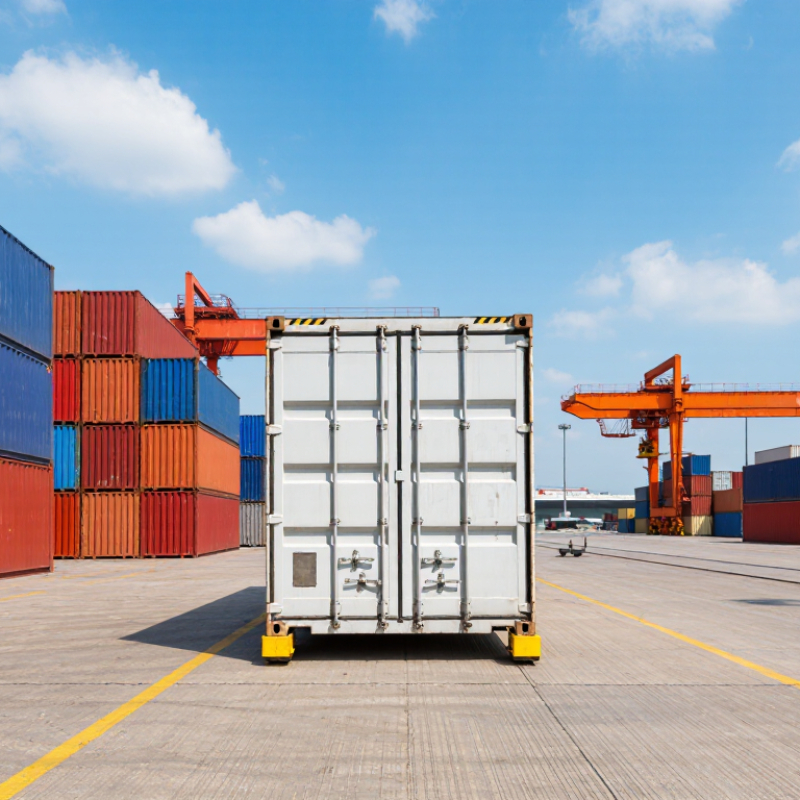
A 10ft shipping container is defined by its compact, standardized structure, not merely its length. Under ISO 668, it belongs to the same intermodal family as larger containers, with a typical external size of 10 feet long, 8 feet wide, and 8 feet 6 inches high. Its internal volume is usually about 15 cubic meters, although dimensions vary by manufacturer and equipment age.
The steel frame, corner castings, double doors, and wooden floor support safe transfers between ships, trucks, and rail systems. A typical empty unit weighs roughly 1.3 to 1.5 tonnes. Check the data plate carefully. Payload limits can differ.
The container’s small footprint suits machinery parts, retail stock, workshop tools, and carefully packed household cargo. It also fits sites where a 20ft unit feels excessive.
UNCTAD’s Review of Maritime Transport 2024 states that more than 80% of global merchandise trade moves by sea. This explains why standardized dimensions matter during international handling. Yet a 10ft box is not automatically the cheaper choice. Handling charges, inland transport, and limited availability may reduce its advantage. In practice, I would measure every pallet, leave airflow around sensitive goods, and allow space for door clearance. Small containers reward precision. They expose poor packing quickly.
Why Choose a 10ft Container for Global Shipping?
How Its Dimensions Affect Cargo Capacity and Handling
A 10ft container suits smaller shipments and limited storage areas. Its external length is about 10 feet, while width usually reaches 8 feet. Standard height is approximately 8 feet 6 inches. Internal measurements are smaller because of wall panels, flooring, and doors. Usable volume often falls near 15 cubic meters, but specifications vary by equipment and supplier. Check the technical sheet before planning cargo.
Dimensions directly shape loading efficiency. A standard pallet may fit, but turning space can become restrictive. Long cartons might require careful orientation near the door. Keep heavier items low and close to the center line. This reduces shifting during lifting, road movement, and vessel handling. Leave clearance around the doors and protect fragile edges. Small space. Big consequences.
In practical loading checks, weight distribution often causes more trouble than volume. A container may appear full while remaining poorly balanced. One common mistake is stacking by height alone. That can block access and overload one side. Measure each package, record its weight, and create a simple loading plan. Forklift access also deserves attention, since aisle width and floor strength can limit handling methods. I have found that a few extra minutes of measurement prevent awkward unloading later, although plans sometimes need adjustment on site.
Its compact footprint supports easier site access and handling while still providing approximately 15.9 m³ of internal cargo space.
A 10ft container is suitable for smaller consignments, limited-access locations, and projects that do not require a full 20ft unit. Its shorter length can simplify delivery, turning, crane placement, and forklift access. The dimensions shown are representative ISO dry-container specifications; exact internal clearances, tare weight, payload, and door dimensions vary by container design and certification.
A 10ft container fits global shipping requirements when cargo volume is limited, access is tight, and separation matters. It suits small export batches, machinery crates, spare parts, and seasonal inventory. Typical units offer about 15 cubic meters of internal space. Dimensions and payload limits vary by equipment condition and certification. ISO 668 sets container dimensions, but it does not guarantee availability at every depot. That distinction matters.
UNCTAD’s Review of Maritime Transport 2024 reports that over 80% of global merchandise trade by volume moves by sea. A 10ft container can enter this network, but service coverage may be narrower than for 20ft or 40ft equipment. Some routes require consolidation or transshipment. Shippers should confirm equipment acceptance, gross mass, corner fittings, and destination handling before booking. A practical loading plan keeps heavy cartons low and centered. Leave clearance near the doors. Small mistakes become expensive delays.
The World Bank’s Logistics Performance Index 2023 evaluates infrastructure, shipment organization, and delivery timeliness. These factors influence whether a compact container performs well after arrival. A 10ft unit helps when warehouses have limited space or cranes operate near buildings. It is less suitable for dense cargo, long machinery, or irregular loads. The calculation is rarely perfect. Freight volume, port availability, and handling fees should be checked together. Local depot confirmation remains essential.
Cost, Port Access, and Transport Considerations
A 10ft container can control shipping costs when cargo volumes are modest. You avoid paying for unused space inside a larger unit. However, the price is not always half of a 20ft container. Handling fees, documentation, and minimum freight charges may remain similar. Request a complete quotation before choosing the smaller format.
Port access also deserves close attention. Many major ports can process 10ft containers, but availability may differ by route. Some terminals handle standard sizes more efficiently. A freight coordinator should confirm acceptance, storage rules, and transfer procedures in writing. Small details matter. A delayed unit can erase the expected savings.
Transport planning is equally important. A 10ft container fits well on smaller trucks and may reach warehouses with narrow entrances. It can simplify delivery in dense urban areas. Yet local equipment may not support every container configuration. Check chassis compatibility, lifting requirements, axle limits, and final unloading space. Measure the doorway, not just the yard.
Cargo weight and packing design affect the decision. Compact freight can still become too heavy for local roads or handling equipment. Use a verified weight, balanced loading, and clear cargo records. I have seen teams focus on container volume and overlook delivery access. That mistake is easy to prevent, but it requires an on-site check before booking.
A 10ft container suits smaller consignments, limited storage areas, and routes where unused space creates unnecessary cost. Its compact footprint can simplify handling at warehouses, construction sites, and urban delivery points. Choose a unit after checking its internal dimensions, door opening, tare weight, and permitted payload. Specifications vary by container condition and transport provider, so never rely on estimates alone.
Measure twice. Plan the load on paper before opening the doors. Place dense goods low and near the center, while keeping weight balanced from side to side. Use pallets, corner protection, and rated straps to reduce movement during braking and rough handling. Leave room for airflow where goods require it. Do not block the doors, labels, or inspection areas. A small gap may seem wasteful, but forced loading can damage cartons and complicate unloading.
Prepare a commercial invoice, packing list, transport instructions, and accurate cargo descriptions. Confirm destination requirements with a licensed customs professional or carrier before dispatch. Photograph the loaded container, record package counts, and check the seal number against the shipping documents. Tracking details should be shared with the receiver before departure. I have found that rushed loading causes more problems than container size. Recheck the weight declaration, because one overlooked crate can affect safety, cost, and acceptance.