Skip to content

2026 Best 10ft Shipping Container for Global Buyers?

Choosing the best 10ft shipping container in 2026 requires more than comparing purchase prices. Global cargo flows remain exposed to port congestion, equipment imbalances, and changing freight routes. UNCTAD’s Review of Maritime Transport reports that over 80% of world merchandise trade moves by sea. That scale affects even small containers.

A 10ft shipping container fits tighter sites. Picture a workshop yard, a retail back entrance, or a construction project with limited access. Its compact footprint can reduce handling problems. However, smaller capacity may increase the cost per cubic metre. A 10ft unit also needs careful checking for internal height, door clearance, floor condition, and corrosion around the roof seams. Small details matter.

John Fossey, a container equipment specialist at Drewry, has observed, “Equipment availability is never just a supply issue; it is a positioning issue.” This point remains useful for global buyers. Drewry’s Container Forecaster tracks equipment supply, leasing activity, and market pricing. Container xChange reports also highlight regional differences in container availability and trading costs. These reports suggest that location can influence the final price more than the catalogue price.

No container is perfect.

Buyers should request recent inspection photos, CSC-related documentation where applicable, wind-and-watertight confirmation, and clear delivery terms. UNCTAD data provides the global context, but local depot practices still shape the buying experience. Some estimates may change quickly. That is worth admitting. A reliable 10ft shipping container is not simply new or cheap; it is suitable, inspected, accessible, and supported by a transparent supplier.

2026 Best 10ft Shipping Container for Global Buyers?

What Is a 10ft Shipping Container?

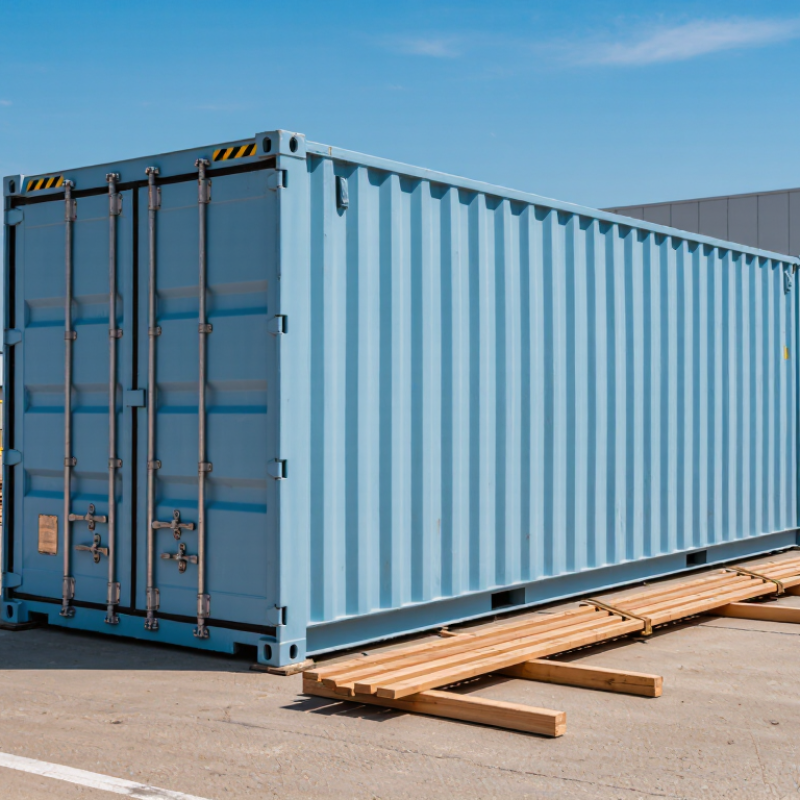
A 10ft shipping container is a compact steel cargo box designed for transporting, storing, and protecting goods. It usually measures about 10 feet long, 8 feet wide, and 8 feet 6 inches high externally. Internal dimensions are smaller because of the steel walls, floor, and door structure. The usable space often feels narrower than expected.

Most units include corner castings, locking cargo doors, and a strong marine-grade plywood floor. A standard container may carry several tonnes, but its exact payload depends on construction, certification, and local transport limits. Buyers should check the identification plate, manufacture date, floor condition, and door seals. Rust around the lower rails can be more important than a few surface marks.

Tips: Measure both the container and the delivery route. Check gate width, overhead cables, turning space, and ground strength. Ask for internal dimensions, tare weight, payload, and recent inspection photos. A “new” unit may still show handling marks. That is normal, but hidden floor damage is not. For international shipping, confirm current documentation and destination requirements with a qualified freight professional. A 10ft container saves space, yet it may not suit bulky equipment or palletized cargo. My first calculation would always include loading clearance, because overlooked space becomes an expensive problem.

2026 Best 10ft Shipping Container for Global Buyers? — What Is a 10ft Shipping Container?

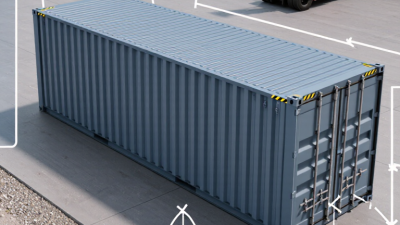
A 10ft dry shipping container is a compact intermodal steel unit designed for transporting and storing general cargo. Its smaller footprint is useful where a standard 20ft container cannot fit. The chart compares typical external and internal dimensions based on commonly used ISO dry-container specifications.

Typical specifications: External dimensions are approximately 3.05m × 2.44m × 2.59m, while usable internal dimensions are approximately 2.83m × 2.35m × 2.39m. Exact dimensions, door openings, tare weight, payload, and cubic capacity can vary by manufacturer, production year, and regional regulations.

Key Specifications, Materials, and Available Configurations

2026 Best 10ft Shipping Container for Global Buyers?

A 10ft container usually measures about 3.05 meters long and 2.44 meters wide externally. Internal dimensions vary slightly by manufacturer. A typical unit offers roughly 16 to 18 cubic meters of usable space. Payload capacity depends on the container plate, floor design, and local transport limits. Always verify these figures before ordering.

Weathering steel forms the main structure. It resists rain, salt air, and repeated handling better than ordinary mild steel. The floor commonly uses treated marine plywood over steel cross-members. Door locks should use galvanized steel, while rubber gaskets need a continuous seal. Check the corners carefully. Small bends can invite water.

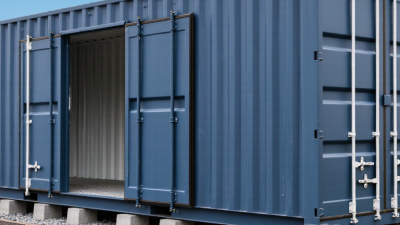
Available configurations include standard cargo doors, side-opening doors, double-door access, and insulated versions. A high-cube 10ft model may not be available in every market. Confirm its actual height. Used containers cost less, but dents, floor damage, and odor require close inspection. New units provide cleaner surfaces and more predictable sealing, though quality can still vary.

I have found that buyers sometimes focus on paint and overlook the door frame. That mistake becomes expensive during long-distance transport. Ask for internal photos, weld details, tare weight, payload data, and inspection records. Requirements differ by port, road system, and destination country. A reliable supplier should provide clear measurements, material details, and honest limitations.

How to Choose the Right 10ft Container for Global Use

2026 Best 10ft Shipping Container for Global Buyers?

How to Choose the Right 10ft Container for Global Use

A 10ft container suits smaller shipments, remote sites, and tight delivery spaces. Do not judge it by appearance alone. Check external dimensions against ISO 668:2020, then confirm the supplier’s actual internal measurements. Small design differences can reduce usable space by several centimeters. That matters when loading pallets, machinery, or long cartons.

The container should carry a valid CSC safety plate for international sea transport. Review the manufacture date, inspection status, maximum gross mass, and payload. ISO 1496-1 also covers structural and testing requirements for freight containers. Ask for floor condition, door seal photographs, and corrosion records. Fresh paint can hide damage. It happens.

UNCTAD’s Review of Maritime Transport 2024 recorded about 858.5 million TEU in global container-port throughput during 2023. That scale shows why handling compatibility matters. Confirm that local terminals can lift a 10ft unit safely, because some facilities are designed mainly for 20ft and 40ft equipment. Consider ventilation, insulation, locking bars, and flooring for the destination climate. A dry inland location may need less protection than a humid coastal route. I would also verify corner fittings and lifting instructions before booking transport. The cheapest unit can become expensive when handling equipment, storage, or repairs are unavailable.

International Shipping, Import Rules, and Delivery Considerations

2026 Best 10ft Shipping Container for Global Buyers?

A 10ft container suits smaller consignments, but international delivery is not simply a smaller 20ft move. A typical unit measures about 2.99m long, 2.44m wide, and 2.59m high externally. Dimensions vary. Confirm internal volume, tare weight, payload, door opening, and the CSC safety plate before payment. UNCTAD’s Review of Maritime Transport 2024 states that ships carry over 80% of global merchandise trade by volume. However, smaller containers may face limited vessel and depot availability.

Import rules can change by destination and cargo type. Ask the seller for the commercial invoice, packing list, bill of lading, country of origin, and correct customs classification. Wooden pallets or crates may need ISPM 15 treatment. Taxes, port fees, inspections, and storage charges are often excluded from basic quotations. The World Bank’s 2023 Logistics Performance Index assessed 139 economies and showed that customs clearance remains a major logistics performance factor. A neat quotation can still be incomplete.

Delivery planning needs physical detail. Measure the entrance, turning space, overhead cables, and unloading surface. A standard truck may not reach a narrow residential street. Confirm whether the price includes terminal handling, chassis use, customs brokerage, final trucking, and unloading equipment. Request free-time terms for storage and demurrage. Weather delays happen. I would also verify local acceptance of a 10ft unit before booking, because not every carrier or depot handles this size efficiently.

Pricing, Inspection Standards, and Long-Term Maintenance

A 10ft shipping container can suit smaller cargo, workshops, and compact storage sites. Pricing needs careful comparison. Recent regional container market surveys place new 10ft units around US$2,000–3,500, excluding freight, taxes, and modifications. That is only a working range. Smaller units often cost more per cubic metre because manufacturing and repositioning expenses remain high. UNCTAD’s Review of Maritime Transport 2024 states that over 80% of global merchandise trade moves by sea. Availability can therefore change prices quickly. Request the production year, floor load, steel specification, and delivered-cost breakdown.

Inspection should follow ISO 668 dimensions and the applicable CSC safety requirements. Check the CSC plate, corner castings, door locking bars, welds, and underside frame. Look inside during daylight. Rust under the floor, standing water, chemical odors, or patched panels deserve written explanations. Door seals should close evenly, without forcing the handles. A qualified inspector should photograph each defect and record container identification details. One weakness remains: remote video inspections can miss soft flooring and hidden corrosion.

Long-term maintenance is simple, but not effortless. Wash salt deposits after coastal transport, keep drainage holes clear, and repair coating damage before rust spreads. Inspect roof seams and door seals every three months. Good airflow reduces condensation; dry timber pallets help protect cargo and flooring. The World Bank’s Container Port Performance Index 2023 shows how strongly delays vary between ports, so delivery planning matters. I would budget for repainting and seal replacement, even on a new unit. Cheap purchase decisions can become expensive maintenance decisions.

2026 Best 10ft Shipping Container for Global Buyers? – Pricing, Inspection Standards, and Long-Term Maintenance

Indicative 2026 reference data for standard dry 10ft containers. Prices vary by country, port, inland distance, currency, taxes, certification, condition, and seasonal availability.
Evaluation Dimension Typical Specification or Cost Buyer Inspection Standard Long-Term Maintenance Guidance
Core Size, Capacity, and Handling
External dimensions Approximately 3.05 m long × 2.44 m wide × 2.59 m high
(10 ft × 8 ft × 8 ft 6 in)
Measure length, width, and height at several points. Allow for small manufacturing and repair tolerances. Keep the container on level, stable supports so the frame is not placed under uneven stress.
Internal dimensions Approximately 2.83 m long × 2.35 m wide × 2.39 m high Confirm usable clearance after checking door hardware, wall lining, floor repairs, and any installed fittings. Do not load materials against the walls or doors in a way that prevents drainage and ventilation.
Internal floor area and volume About 6.65 m² of floor area and approximately 15.9 m³ of internal volume Use actual internal measurements for cargo planning; nominal dimensions may differ between production series. Keep the floor dry and free of standing water, corrosive chemicals, and concentrated point loads.
Typical tare weight Approximately 1,300–1,500 kg Verify the tare weight on the container safety plate and shipping documentation rather than relying only on estimates. Record any major structural repair or replacement component that could change the empty weight.
Typical maximum gross mass Commonly up to 10,160 kg, subject to the container’s safety plate and local transport limits The marked maximum gross mass is controlling. Check road axle limits, lifting limits, and destination regulations separately. Never exceed the marked gross mass. Distribute cargo evenly over the floor and secure it against movement.
Approximate payload capacity Usually about 8,600–8,900 kg before considering route, vehicle, and regulatory restrictions Calculate payload as maximum gross mass minus the verified tare weight; apply the lowest applicable legal limit. Use load-spreading boards for dense cargo and keep the center of gravity low.
Door opening Typically about 2.34 m wide × 2.28 m high for standard cargo doors Open both doors fully and inspect hinges, locking bars, handles, gaskets, and the door sill for distortion. Lubricate moving hardware periodically with a suitable corrosion-resistant lubricant and keep seals clean.
2026 Indicative Pricing and Ownership Costs
New or one-trip unit Typical range
USD 3,000–5,500 before delivery, taxes, and local handling
Confirm manufacture date, condition report, floor condition, door operation, and valid safety documentation. Budget for periodic washing, repainting of damaged areas, gasket replacement, and corrosion control.
Used cargo-worthy unit Typical range
USD 1,800–3,500 before delivery, taxes, and local handling
Inspect for watertightness, frame alignment, floor integrity, corrosion, repaired panels, and a readable safety plate. Maintenance cost is generally lower when defects are repaired before rust reaches structural members.
Wind-and-watertight storage unit Typical range
USD 1,200–2,800; may not be approved for international cargo transport
Confirm that the unit’s condition matches the intended use. “Wind and watertight” is not equivalent to cargo-worthy status. Suitable for stationary storage when placed on a raised foundation and checked regularly for condensation and leaks.
Delivery and positioning allowance Often USD 300–1,500 or more, depending on distance, access, lifting equipment, and local charges Obtain a delivered quotation that separately states transport, unloading, crane or tilt-bed service, permits, and taxes. Provide adequate access and a level foundation to avoid future relocation and frame damage.
Price factors with the greatest impact Condition, certification status, location, port availability, delivery distance, flooring, paint condition, and modifications Compare like-for-like specifications and request dated photographs or an independent pre-purchase inspection. A lower purchase price can be uneconomical if it requires structural repair, floor replacement, or extensive rust treatment.
Inspection and Compliance Checklist
Safety approval and identification A valid safety approval plate should show identification, maximum gross mass, stacking and racking information, and inspection-related details. Check that the identification number is legible and consistent across the plate, documents, and container markings. Do not accept missing or altered plates for international shipping. Keep safety documentation with the unit and ensure repairs do not obscure required markings.
Structural frame Corner posts, top rails, bottom rails, cross-members, and corner fittings should be sound and properly aligned. Look for cracks, buckling, severe dents, unauthorized welding, twist-lock damage, and evidence that doors no longer align. Treat structural deformation as a professional-repair issue; do not conceal it with paint or filler.
Roof and side panels Panels should be free of active holes, open seams, and corrosion that compromises weather protection. Inspect from inside and outside. Look for daylight, water stains, pinholes, patch plates, and excessive panel movement. Remove surface rust early, seal approved minor penetrations, and repaint prepared steel with a compatible protective coating.
Floor condition Marine-grade hardwood or equivalent container flooring is common; the surface should be dry, firm, and free of dangerous contamination. Check for soft spots, delamination, broken boards, protruding fasteners, oil contamination, and signs of water ingress from below. Keep the floor ventilated and dry. Replace damaged boards with suitable load-bearing material rather than covering defects.
Water-tightness test No visible water penetration under a controlled exterior spray test Close and lock the doors, spray the roof, seams, doors, and corners, then inspect the interior for moisture. Avoid testing methods that damage seals or coatings. Repeat after major repairs, repainting, door work, or severe weather exposure.
Doors, seals, and locking gear Doors should open, close, seal, and lock without excessive force or misalignment. Inspect gasket continuity, hinge wear, locking-bar rotation, handle operation, door sill condition, and drainage paths. Clean seals, remove dirt from the sill, lubricate hardware, and replace hardened or split gaskets.
Odor, contamination, and cargo history Interior should be free from persistent chemical odor, hazardous residue, pests, and unknown contamination. Request a cleaning or previous-cargo statement where relevant. Reject units with unexplained stains, strong odors, or suspected hazardous residue. Use only compatible cleaning products, maintain ventilation, and document any stored chemicals or regulated goods.
Long-Term Maintenance Program
Every 1–3 months Visual condition review and basic cleaning Check roof, corners, doors, floor, drainage, standing water, rust spots, pest activity, and signs of unauthorized modification. Sweep and dry the interior, clear drainage areas, lubricate locks, and record defects with dated photographs.
Every 6–12 months Detailed weatherproofing and corrosion inspection Inspect seams, welds, underside components, corner fittings, floor supports, and all previously repaired areas. Remove loose coating, treat corrosion, reseal suitable joints, and touch up exposed steel using a compatible coating system.
After severe weather or impact Unscheduled structural and water-tightness inspection Look for frame twist, roof deformation, displaced doors, new leaks, damaged corner fittings, and floor movement. Isolate the unit if structural safety is uncertain and obtain a qualified inspection before reuse or shipment.
Expected service life Often 10–20 years or more, depending on climate, handling frequency, corrosion exposure, repairs, and intended use Judge remaining service life from actual condition and repair quality, not age alone. Use raised supports, maintain airflow below the floor, keep water away from the base, and repair corrosion before it becomes structural.
Best overall buying choice Recommended profile
A cargo-worthy 10ft dry container with a sound frame, dry floor, functioning doors, clear identification, and documented inspection history
For international transport, prioritize valid safety approval and structural condition. For stationary storage, prioritize watertightness, corrosion condition, and delivered placement. Select the unit that matches the use case; paying more for verified condition is often cheaper than correcting hidden structural or water-ingress problems.
Call free on
0800 1954 538